


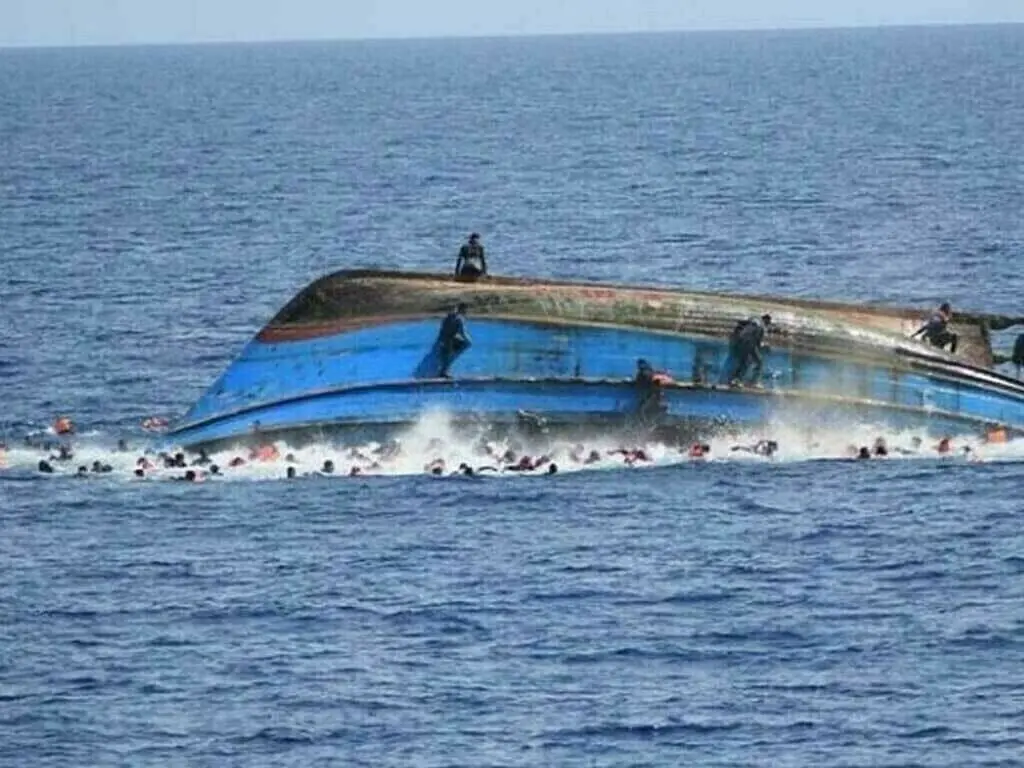
EDITORIAL: The recurring migrant boat tragedies in the Mediterranean are deeply unsettling in their predictability. Each new disaster – like the recent capsize off Italy’s coast that reportedly left more than 80 migrants missing, including 20 young men from Gujranwala, Gujrat and Mandi Bahauddin in Punjab – should compel us to confront an uncomfortable truth: these deaths are the outcome of an entrenched environment of desperation, deception and impunity. What makes such tragedies particularly distressing is their familiarity – the same regions, the same routes, and the same false promises. Whether it was the 2023 catastrophe near the Greek coastal town of Pylos that claimed 262 Pakistanis’ lives, or last year’s drowning of dozens en route to Spain, the pattern remains unchanged. Young men, often the primary breadwinners of modest households, are persuaded to stake everything – family savings or borrowed money – on the illusion of a better future in Europe. That many in the latest incident reportedly travelled under the pretext of Umrah pilgrimage underscores the calculated sophistication of smuggling networks, which exploit both religious sentiment and regulatory loopholes. At the heart of this issue lies a well-entrenched nexus between recruiting agents, international human traffickers and, disturbingly, complicit elements within the law enforcement structures. It is implausible that such large-scale and repeated operations – involving international travel, forged documentation, and transit through known smuggling hubs such as Libya – could persist without institutional blind spots, if not outright collusion. The reluctance of victims’ families to identify those involved, driven by fear of reprisal, further emboldens these networks and perpetuates a vicious cycle of silence and exploitation. Equally troubling is the persistence of demand. Despite mounting evidence of the risks, many young Pakistanis continue to view these perilous journeys as their only viable path to economic mobility. This speaks volumes about conditions at home. Chronic unemployment, underemployment, and denial of equal opportunities push otherwise enterprising young people towards such desperate choices. In this environment, warnings and awareness campaigns, though necessary, are insufficient; desperation has a way of drowning out caution. Breaking this cycle requires more than reactive measures after each tragedy. Law enforcement agencies must move beyond episodic crackdowns and work to dismantle smuggling networks systematically. Known offenders should not remain at large indefinitely; they must be identified, prosecuted, publicly exposed, and decisively punished. Internal accountability is equally critical. Any official found facilitating or willfully ignoring such operations must face consequences, without exception. In the end, each life lost at sea represents a collective national failure – of governance, of accountability and of hope. Unless decisive steps are taken to dismantle networks of exploitation and restore confidence in opportunities at home, the Mediterranean will continue to claim lives that should never have been risked in the first place. Copyright Business Recorder, 2026



GrowthPakistan brings you the latest news to keep an eye on Pakistan’s startup ecosystem. Business keeps you growing when you stay aware of your competitors' moves. GrowthPakistan offers Business, Tech, Global Tech, Global, Auto, and Startup News straight from industries all around the globe. This platform will help you identify upcoming opportunities not only in Pakistan but worldwide.
Email : growthpakistan@gmail.com
Whatsapp : +92320-9497079
© growthpakistan