


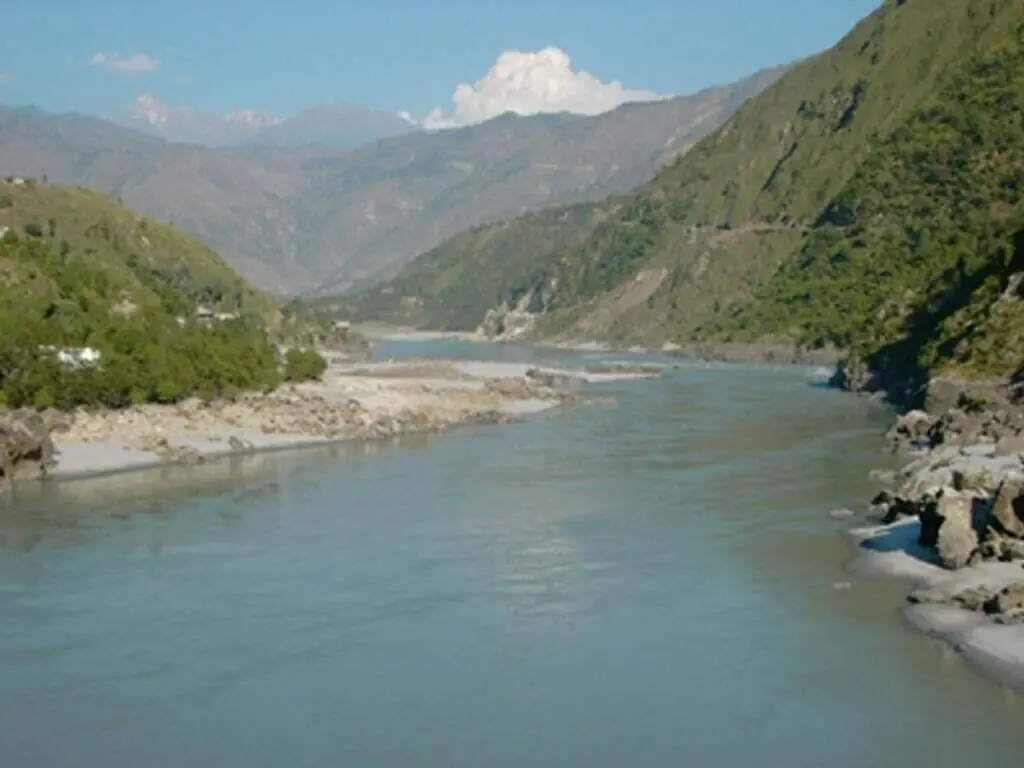
EDITORIAL: The alarm raised by the Indus River System Authority (Irsa) chairman in a letter to provincial chief secretaries over the worsening water quality in the Indus Basin Irrigation System demands urgent and serious attention. It is a stark warning of a deepening environmental crisis that is already affecting public health, agricultural productivity, and fragile ecosystems. The scale of the problem, ranging from the heavily polluted Ravi and Sutlej rivers to rising salinity in the lower Indus and the contamination of Manchar Lake, reflects years of neglect, weak enforcement, and fragmented governance. At the core of this crisis is the unchecked discharge of untreated wastewater into rivers and canals. Industrial effluents, municipal sewage, and agricultural runoff continue to be dumped into water bodies with little regard for environmental standards or human health. The consequences are visible: foaming waters, foul odours, and lifeless river stretches near major barrages. These are not merely aesthetic concerns but clear signs of toxic ecosystems that endanger communities dependent on these waters for drinking, irrigation, and fishing. The implications are severe and far-reaching. In Sindh, rising salinity in the lower Indus is steadily degrading fertile lands, reducing crop yields, and exacerbating food insecurity. In Khyber Pakhtunkhwa, deteriorating water quality in rivers such as the Kabul and Swat is emerging as a serious public health threat, contributing to the spread of waterborne diseases. The contamination of Manchar Lake — an essential source of irrigation and domestic water for communities in Dadu and Jamshoro districts — has further compounded the crisis, leaving residents exposed to unsafe water and diminishing livelihoods. This situation persists despite the existence of a clear institutional and legal framework. Irsa’s mandate under the 1992 Act, along with environmental regulations overseen by provincial authorities and the Pakistan Environmental Protection Agency, provides a solid basis for action. Yet, laws without enforcement are ineffective. The continued failure to ensure proper wastewater treatment before discharge points to regulatory inertia, weak accountability, and, in some instances, tacit complicity. Effective action now requires far more than official correspondence and routine advisories. Provincial governments must prioritise investment in wastewater treatment infrastructure, particularly in industrial zones and densely populated urban centres. At the same time, strict penalties must be enforced against industries and municipalities that violate environmental standards. Monitoring systems need to be strengthened, with transparent and publicly accessible reporting, ensuring accountability. Equally critical is coordination across jurisdictions. As Irsa has rightly stressed, water management is a shared responsibility that transcends provincial boundaries. A coherent national strategy – backed by political will, institutional alignment, and adequate funding – is essential to restoring and protecting the integrity of the Indus Basin Irrigation System. The cost of inaction is simply too high. The gravity of the crisis is no longer in question; what remains to be seen is whether those in authority will act with the urgency and the resolve that the situation demands. Copyright Business Recorder, 2026



GrowthPakistan brings you the latest news to keep an eye on Pakistan’s startup ecosystem. Business keeps you growing when you stay aware of your competitors' moves. GrowthPakistan offers Business, Tech, Global Tech, Global, Auto, and Startup News straight from industries all around the globe. This platform will help you identify upcoming opportunities not only in Pakistan but worldwide.
Email : growthpakistan@gmail.com
Whatsapp : +92320-9497079
© growthpakistan