


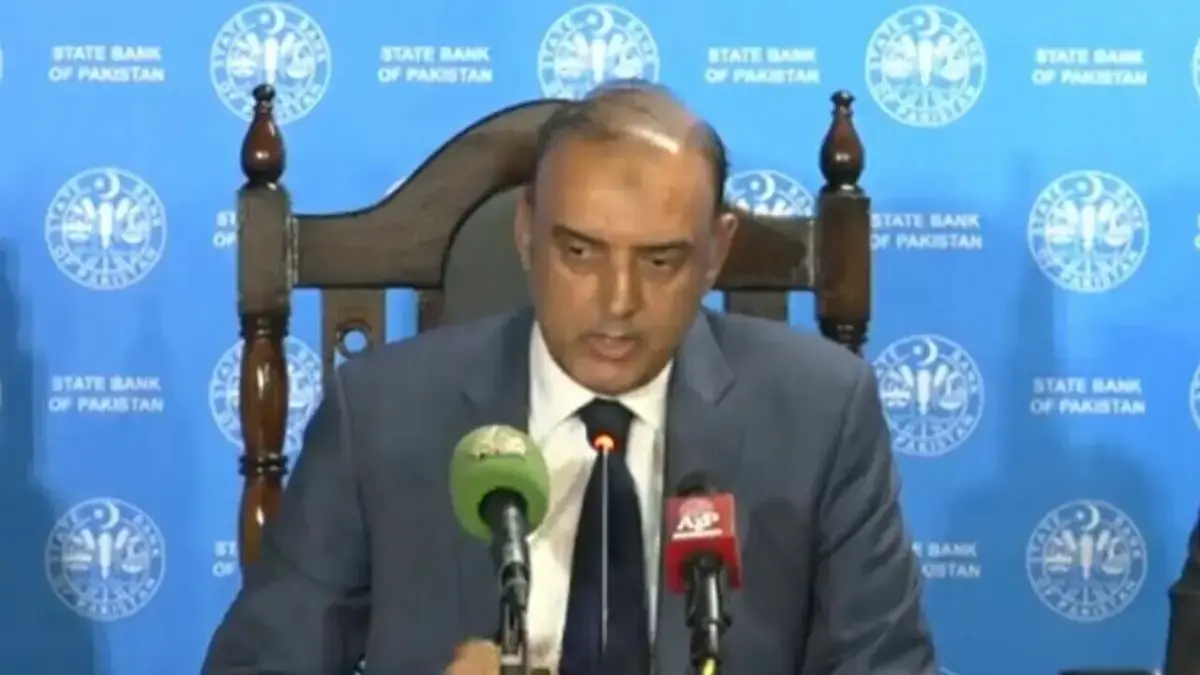
ISLAMABAD: Governor of the State Bank of Pakistan (SBP), Jameel Ahmad, on Thursday informed the National Assembly Standing Committee on Finance that Pakistan’s foreign exchange reserves are expected to rise to USD17 billion following the anticipated approval of the next IMF tranche, saying that the country’s macroeconomic outlook remains stable despite regional geopolitical tensions. Briefing the National Assembly’s Standing Committee on Finance, the SBP Governor said that Pakistan’s economic growth was expected to improve during the current fiscal year, pointing to an increase in large-scale manufacturing output as a key indicator of recovery. He acknowledged that the Middle East conflict and Iran-US tensions had created economic challenges, particularly by pushing up global energy prices. The governor said inflation had declined to 7 percent in February and was moving in line with official targets before geopolitical tensions disrupted the outlook. READ MORE: SBP reserves to reach USD18bn by June: governor He noted that rising energy costs and higher food prices pushed core inflation to 8. 2%, adding that inflationary pressures were expected to ease once regional tensions subside. Ahmad emphasized that the State Bank considers all economic variables while setting monetary policy and rejected claims that imports were being restricted. He revealed that despite external payments of nearly USD 5 billion last month, Pakistan’s foreign exchange reserves had remained stable. Jameel Ahmad told lawmakers that monetary policy decisions were based on inflation projections for the next eight quarters. He said energy price increases had pushed up core inflation, forcing the central bank to maintain a higher interest rate environment. However, he stressed that imports were not being restricted despite concerns raised by committee members, noting that Pakistan made external payments of $4. 5 billion in April without imposing import controls. The governor added that large-scale manufacturing had shown improvement, and GDP growth this year would be better than the previous fiscal year. He also highlighted the role of 5G spectrum auctions in modernizing Pakistan’s IT and telecom infrastructure. During the meeting, committee chairman Syed Naveed Qamar said the economy still needed support and criticized the high-interest-rate environment. He also pointed to difficulties in exports to Central Asia due to disruptions in the Afghanistan route, particularly affecting Pakistan’s pharmaceutical sector. In response, Aurangzeb said the government was working on new policy measures for exporters and the pharmaceutical industry, which would be announced in the upcoming budget. The SBP governor also briefed the committee on Pakistan’s investment framework, saying the country’s 2023 investment policy remained in force. He explained that foreign investors were allowed to repatriate profits through banking channels after registering investments with the central bank. Providing an update on Roshan Digital Accounts, Ahmad said more than 900, 000 accounts had been opened under the scheme. Copyright Business Recorder, 2026



GrowthPakistan brings you the latest news to keep an eye on Pakistan’s startup ecosystem. Business keeps you growing when you stay aware of your competitors' moves. GrowthPakistan offers Business, Tech, Global Tech, Global, Auto, and Startup News straight from industries all around the globe. This platform will help you identify upcoming opportunities not only in Pakistan but worldwide.
Email : growthpakistan@gmail.com
Whatsapp : +92320-9497079
© growthpakistan