


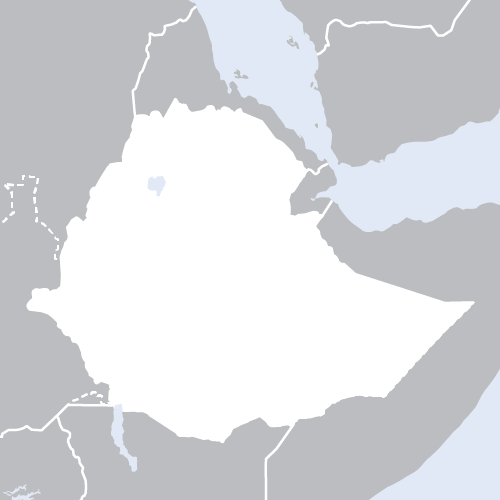
Country: Ethiopia Source: World Food Programme ADDIS ABABA, Ethiopia – A new implementation research study led by Addis Ababa University (AAU), in collaboration with Ethiopia’s Federal Ministry of Health (MOH) and the United Nations World Food Programme (WFP), finds that treating Moderate Acute Malnutrition (MAM) can be effectively integrated into Ethiopia’s Health Extension Program – bringing essential nutrition services closer to children and families. Funded by the Government of the United States of America and the United Kingdom’s Foreign, Commonwealth & Development Office (FCDO), the study entitled “Integrating the Management of Moderate Acute Malnutrition (MAM) into Ethiopia’s Primary Health Care System: Translating Evidence into Policy” was conducted between 2023 and 2025 across five districts including Girawa (Oromia), Zala (SNNP), Aleta Chuko (Sidama), Mille (Afar), and Adadle (Somali). The research findings reveal that MAM service delivery through the routine health extension program is feasible and effectively contributed to: Expanded availability of MAM services at nearly all health posts in the study areas Improved coordination among local authorities Better adherence to treatment protocols, leading to modest but positive decline in malnutrition prevalence in targeted districts Stronger supply chain management Increased community awareness of malnutrition services “Integrating MAM management into the routine health extension program helps ensure earlier identification, continuity of care, and more equitable access to lifesaving nutrition and related health services beyond emergency responses. The findings confirm that when national protocols, supervision, and supplies are in place, health posts can deliver high-quality services. We are committed to institutionalizing this integration through sustainable financing, strengthened logistics, and robust data systems” said Ms Hiwot Darsene, Nutrition Coordination Office, Lead Executive Officer, Minister of Health. The study also calls for sustainable financing, robust supply systems, and continued capacity building for frontline health workers. “This collaboration demonstrates how rigorous, policy-oriented research can improve service delivery and save lives. Addis Ababa University is proud to contribute evidence that helps Ethiopia strengthen national standards, support frontline health workers, and accelerate progress against child and maternal malnutrition, ” said Dr Rahel Argaw, Chief Executive Director, College of Health Sciences, Addis Ababa University. Ethiopia continues to make positive strides towards the reduction of malnutrition. According to recent Demographic and Health Survey (DHS) findings, Ethiopia has achieved a reduction in wasting prevalence from 10 percent in 2016 to five percent in 2026, attributed to the implementation of a robust policy framework. Historically, MAM treatment has been delivered mainly through humanitarian systems. However, assessments have highlighted gaps in continuity of care and limited links to other health services – underscoring the need to integrate MAM treatment into routine health programs. “This research shows that integrating MAM care into Ethiopia’s primary health system is not only feasible – it delivers results” said Dr Mutinta Hambayi, WFP’s Deputy Country Director in Ethiopia. “With reliable supplies, trained health workers, and strong coordination, children and mothers can access timely care close to home. We are grateful to our donors for their support and call on partners to help secure predictable financing and a strengthened supply chain so these gains can be sustained and scaled. ” The findings were shared at a national dissemination workshop in Addis Ababa, bringing together government officials, regional health authorities, development partners, UN agencies, researchers, and implementing partners to discuss the results and identify pathways to scale up integrated MAM services nationwide. # # # WFP is the world’s largest humanitarian organization, saving lives in emergencies and using food assistance to build a pathway to peace, stability and prosperity for people recovering from conflict, disasters and the impact of climate change. The Federal Ministry of Health (MOH) leads Ethiopia’s health sector, including national nutrition policies and programs, working with regional bureaus and partners to expand equitable access to quality services through the primary health care system. Addis Ababa University (AAU) is Ethiopia’s oldest and largest higher education institution, contributing to national development through teaching, research, innovation, and policy-relevant evidence across disciplines, including public health and nutrition. Follow us on X, formerly Twitter, via @wfp_media @wfp_ethiopia @WFP_Africa Ethiopia Nutrition Djaounsede Madjiangar, WFP/Ethiopia, Mob +251 944 334 949 Elshaday Gebeyehu, WFP/Ethiopia, Mob +251 923 279 968 Mezgebu Seyoum, MOH, Mob +251 911 833 704 Beza Yilma, AAU, Mob +251 913 282 127 Bethlehem Mengist, AAU, Mob +251 884 81227



GrowthPakistan brings you the latest news to keep an eye on Pakistan’s startup ecosystem. Business keeps you growing when you stay aware of your competitors' moves. GrowthPakistan offers Business, Tech, Global Tech, Global, Auto, and Startup News straight from industries all around the globe. This platform will help you identify upcoming opportunities not only in Pakistan but worldwide.
Email : growthpakistan@gmail.com
Whatsapp : +92320-9497079
© growthpakistan