

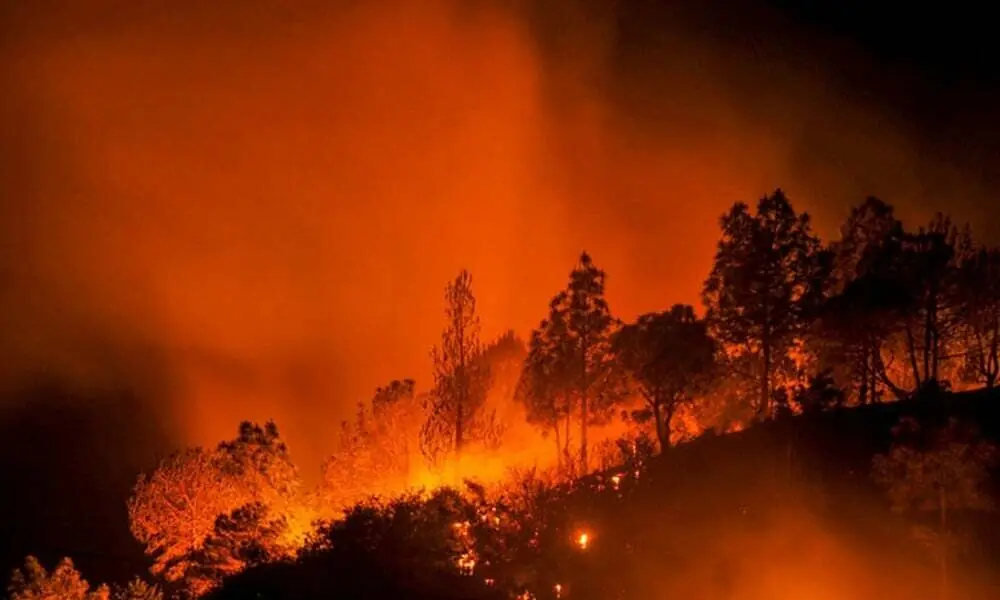
EDITORIAL: The devastating forest fire that recently swept through the Kotli Sattian area of Murree district in Punjab, destroying more than 3, 300 hectares of natural forest cover, is yet another alarming reminder of the growing environmental crisis facing Pakistan. The extensive damage to the ecologically significant Chirpine forests has not only resulted in the loss of valuable tree cover but has also threatened fragile ecosystems that play a crucial role in protecting the sub-watersheds of the Indus and Jhelum basins. The subsequent wildfire in the Sarrala mountain range near Khanpur and Haripur further underscores the frequency and intensity with which such disasters are occurring. The consequences of forest fires extend far beyond the immediate destruction of trees. These fires disrupt the breeding cycles of birds and wildlife, destroy young saplings essential for forest regeneration, and pave the way for invasive species to colonise damaged landscapes. The loss of biodiversity and habitat degradation weakens ecological resilience and undermines efforts to conserve Pakistan’s already scant forest resources. Moreover, the destruction of forest cover accelerates soil erosion, reduces groundwater recharge, and increases the risk of landslides and flash floods, particularly in mountainous regions. What is particularly concerning is that forest fires are increasingly becoming a recurring feature of Pakistan’s environmental landscape. Rising temperatures, prolonged droughts, erratic rainfall patterns, and frequent heat waves—largely linked to climate change—have created ideal conditions for wildfires to ignite and spread rapidly. As a country already vulnerable to the impacts of climate change, Pakistan can ill afford the continued loss of its sparse forests, which serve as natural carbon sinks, regulate water cycles, moderate local climates, and support diverse wildlife. The government must treat forest fires as a national environmental emergency rather than isolated incidents. Strengthening wildfire preparedness through specialised forest fire brigades, modern firefighting equipment, early-warning systems, satellite monitoring, and fire detection sensors is essential. Equally important is the establishment of effective coordination among forest departments, disaster management authorities, and local communities to ensure rapid response when fires occur. Emergency measures alone will not solve the problem, however. Long-term conservation requires sustained forest monitoring, stricter enforcement against human activities that trigger fires, and widespread public awareness campaigns to promote responsible behaviour in forested areas. Community participation in forest protection, environmental education, and scientific forest management can significantly reduce the risk of preventable fires while strengthening the resilience of vulnerable ecosystems. Pakistan’s forests are a national asset that cannot be replaced once lost. The recent fires should mark a moment of serious reflection for policymakers and citizens alike. Failure to act decisively today will not only deepen environmental degradation but also compromise water security, biodiversity conservation, and climate resilience for future generations. Protecting forests must therefore become a central pillar of the country’s environmental and development agenda. Copyright Business Recorder, 2026
Forest fires: A growing environmental emergency

RELATED ARTICLES


