


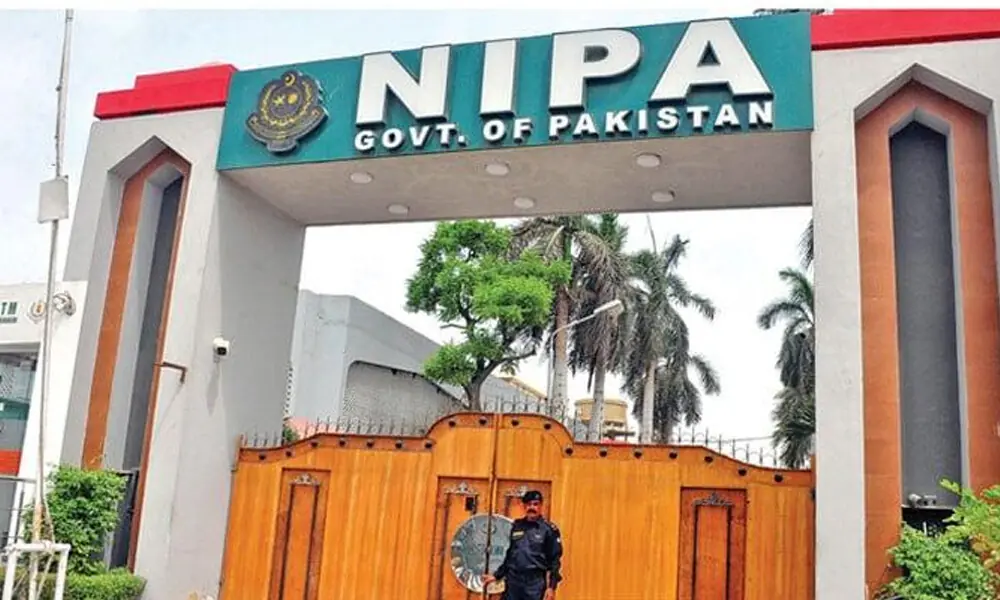
KARACHI: A delegation of Bangladeshi civil servants made a rare and symbolic visit to Pakistan’s National Institute of Public Administration (NIPA) Karachi on Monday, signalling renewed efforts to deepen institutional cooperation between the two countries through shared learning in governance, policy reform and climate resilience. The 12-member delegation is in Pakistan under an executive development programme organised by the Civil Services Academy (CSA) Lahore, focusing on strategic leadership, governance systems and policy innovation. The visit to Karachi formed a key component of the programme, offering exposure to federal training institutions and regional administrative practices. The visiting officers were received by NIPA Director General Dr Syed Saif-ur-Rehman and Farhan Aziz Khawaja, rector of the National School of Public Policy (NSPP), which oversees several of Pakistan’s premier civil service training institutions. Led by Md Raihan Akhtar, Joint Secretary at Bangladesh’s Ministry of Public Administration, the delegation included senior officials from multiple ministries. Participants engaged in structured sessions on governance challenges, institutional reforms and public sector innovation, alongside informal exchanges aimed at strengthening professional linkages. Ceremonial proceedings marked the visit, with the national flags of both countries hoisted and anthems played, underscoring the diplomatic significance of the engagement. The delegation was also given a comprehensive tour of NIPA’s facilities and took part in a tree plantation activity highlighting environmental stewardship and climate awareness. Speaking at the event, Rehman said such programmes play a vital role in enhancing the capacity of civil servants while fostering mutual understanding. He emphasised that governance extends beyond administrative systems to encompass public welfare, social cohesion and national identity, adding that regional cooperation can help countries address shared challenges more effectively. Akhtar said the visit aimed to deepen understanding of Pakistan’s policy frameworks while promoting institutional collaboration. He noted that exchanges of this nature help build durable connections between policymakers and public institutions, contributing to long-term cooperation and stability. Khawaja highlighted the broader role of NSPP and its affiliated institutions in strengthening policymaking capacity in Pakistan, noting that training academies such as NIPA and CSA form a central pillar of the country’s administrative structure. The programme also featured a policy dialogue led by former governor of State Bank of Pakistan Ishrat Husain, who underscored the importance of policy continuity, merit-based governance and strong state institutions in achieving sustainable development. He pointed to Bangladesh’s progress in areas such as women’s empowerment and economic management as examples of consistent policy direction. Former senator Javed Jabbar reflected on the historical trajectory of Pakistan-Bangladesh relations, describing them as complex yet resilient over the decades, and stressing the importance of dialogue and institutional engagement in building trust. Officials from both sides expressed optimism that the visit would open avenues for continued collaboration in training, governance reform and policy innovation, contributing to stronger bilateral relations in the years ahead. Copyright Business Recorder, 2026



GrowthPakistan brings you the latest news to keep an eye on Pakistan’s startup ecosystem. Business keeps you growing when you stay aware of your competitors' moves. GrowthPakistan offers Business, Tech, Global Tech, Global, Auto, and Startup News straight from industries all around the globe. This platform will help you identify upcoming opportunities not only in Pakistan but worldwide.
Email : growthpakistan@gmail.com
Whatsapp : +92320-9497079
© growthpakistan