


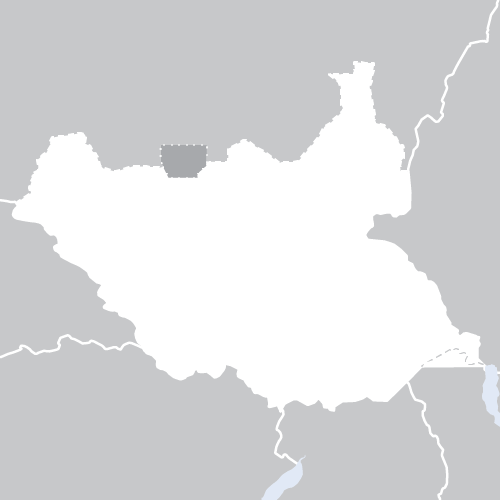
Countries: South Sudan, Ethiopia Source: United Nations Population Fund TIERGOL, Ethiopia – Nyajok*, a single mother of three young children, is from Akobo County in South Sudan’s Jonglei State. She fled the outbreak of violence in March and arrived across the border in Ethiopia, frightened and struggling to access any services. “I ran for my life without carrying anything with me, only my children, ” she told UNFPA, the United Nations Population Fund, which is the UN’s sexual and reproductive health agency. “The journey was difficult – women and girls were being sexually abused and raped. There was no food, shelter, safe drinking water or health services. ” Conflict-related sexual violence of the kind Nyajok witnessed is often just the start of a lifelong burden borne by survivors, who too often face social stigma and abandonment by their families or communities. When rape results in children, these issues are often compounded. On 19 June, the United Nations observes the International Day for the Elimination of Sexual Violence in Conflict, calling for an end to this violence and to the stigma that prevents so many survivors from coming forward. Tragically, the situation is currently worsening: A recent report finds that sexual violence against children rose 35 per cent in 2024. Fleeing for their lives When Nyajok fled in March, she was one of thousands forced from their homes. Families narrowly survived bullets and shelling before crossing the river to reach the village of Tiergol in Ethiopia. “I’m afraid that no one will survive in these circumstances” – Nyajok* On top of the conflict, climate crises like floods and droughts also heighten risks of sexual violence, as women and girls must often venture on foot for hours, unaccompanied, in search of food and water. “The rains are coming but there is no shelter, medical services, protection or food, ” said Nyajok. “I’m afraid that no one will survive in these circumstances. ” Nyawal* lost her mother, son and brother-in-law in the fighting. “I don’t even know where some of my children are now, ” she told UNFPA. “We experienced horrific violence. Elderly people were killed, and children were slaughtered in front of our eyes. There was heavy gunfire, and houses were burned to ashes. ” Women and girls at the heart of the crisis Since then, humanitarian operations have gradually resumed, and basic services are being restored. But without sustained international solidarity and local action, the risk of further conflict-related sexual violence remains high. Globally, survivor-centred support systems and prosecutions of perpetrators remain for the most part inadequate. UNFPA is working to address this, including through the South Sudan Conflict-Related Sexual Violence Survivors’ Network, which has supported hundreds of women – including those with children born of rape – with counselling services and support for income-generating activities. Still, the needs are vast. An estimated 2. 5 million women and girls in South Sudan need gender-based violence response and protection services, with roughly two thirds of women and girls experiencing abuse even before the latest escalation. Yet deep-rooted social stigma and the fear of reprisals mean that even these stark figures are likely an underestimate. Nyaluot* is a frontline health worker at a UNFPA-run facility in Delule, South Sudan, who also escaped to Ethiopia. “There’s no privacy for women and girls in the collective areas here, and they are not safe when they have to go out to gather firewood or go to the bathroom, ” she said. “They get raped or sexually assaulted. ” With the support from the Republic of Korea’s International Cooperation Agency (KOICA), UNFPA was previously running a women and girl-friendly space and a health facility in the Delule sub-county of Akobo that provided maternal, sexual and reproductive health services for women and girls. But insecurity, looting and violence led to a dangerous disruption of humanitarian assistance. UNFPA also provided comprehensive assistance to survivors of gender-based violence, including conflict-related sexual violence, at Akobo Government Hospital. There – with support from the Global Fund and the Government of Norway – integrated medical, psychosocial and legal assistance were offered at a family protection centre. However, this centre was looted during the February 2026 escalation in hostilities, leading to an interruption in critical services. “Women and girls are not safe when they have to go out to gather firewood or go to the bathroom. They get raped or sexually assaulted” – Nyaluot* A survivor of gender-based violence, Nyajok had been accessing assistance at a women’s and girls’ safe space. She had received a dignity kit containing essential hygiene supplies, for example, and was also accessing psychosocial support. “But since I have been displaced I’m no longer receiving these services, ” she told UNFPA. Escalating health risks For pregnant women and girls, the consequences of the crisis ripple outwards. “There is no antenatal care, no delivery rooms and I fear that I will give birth under the trees like other women, ” said Nyawal, who was four months pregnant at the time. Health worker Nyabiel* explained, “There is no safe place where health workers can provide medical services in the area. There are no supplies to treat sick women and girls. Women are delivering with unskilled health workers or traditional birth attendants, where complications can lead to the death of those women. ” “Women are in fear for their safety day and night, ” she said. Dr. Gony Diet works at a UNFPA-supported clinic in Tiergol, in Ethiopia. “Many pregnant women experience bleeding or go into labour on the roadside, including miscarriages, because they don’t know where to go or where the health services are, ” he said. And staffing constraints due to limited funds have prevented health workers from reaching communities to inform them about available services. “Even though support is limited and cannot cover all communities, at least those with urgent needs should be able to access the hospital. ” Continuous funding for local actors on the ground and coordination between international organizations helps reduce gender-based violence and maternal and newborn death rates, even in the absence of a functioning health system. “I fear that I will give birth under the trees like other women” – Nyawal* Since the situation has calmed, UNFPA has airlifted 1. 2 tonnes of medical supplies to Akobo to support resumed humanitarian operations and the gradual return of civilians from Ethiopia. However, as there are growing numbers in need of assistance, these supplies will urgently need to be restocked to ensure life-saving services can continue. “My hope is to provide health and safe life despite the challenges in my area, ” said Nyaluot. “I hope through this kind of support, healthcare workers will improve their capacity, gender-based violence cases will be greatly reduced, and women and girls can safely and easily access sexual and reproductive health services. ” *Names changed for privacy and protection



GrowthPakistan brings you the latest news to keep an eye on Pakistan’s startup ecosystem. Business keeps you growing when you stay aware of your competitors' moves. GrowthPakistan offers Business, Tech, Global Tech, Global, Auto, and Startup News straight from industries all around the globe. This platform will help you identify upcoming opportunities not only in Pakistan but worldwide.
Email : growthpakistan@gmail.com
Whatsapp : +92320-9497079
© growthpakistan