


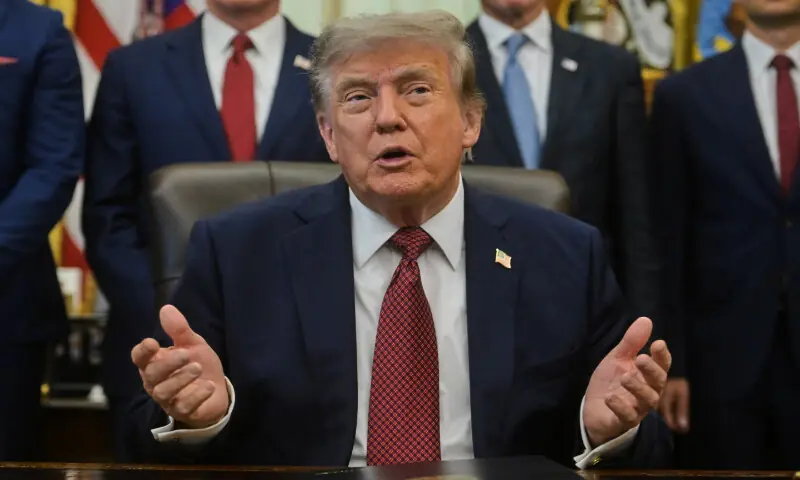
The US move to pause its military campaign against Iran after nearly two weeks of relentless air strikes has raised hopes that a renewed diplomatic push could prevent the conflict from spiralling into a full-scale war. The pause has come after 13 consecutive nights of US bombing, as, according to sources, President Donald Trump weighs whether to ramp up military pressure or seize what may be the best opportunity yet for negotiations with Tehran. For now, it remains unclear whether the pause is simply a tactical break or the start of a broader shift in Washington’s approach to the conflict. Trump has continued to send mixed signals, warning that the United States remains prepared to intensify its campaign while insisting diplomacy remains the preferred option. “We’re talking to them right now, ” Trump told reporters at the White House, adding that Washington was “locked and loaded” but believed negotiations offered the “smarter strategy. ” Diplomatic momentum has been building through regional mediators seeking to restore calm after months of fighting that has disrupted energy supplies and threatened global shipping. A regional official involved in mediation efforts said both Washington and Tehran are seeking to revive an interim ceasefire arrangement, with negotiations focused on easing restrictions on commercial transit through the Strait of Hormuz. The strategic waterway, which normally carries around one-fifth of global oil supplies, has been at the centre of the conflict since Iran effectively blockaded the route by targeting commercial shipping. The disruption has driven up oil prices and raised concerns over its impact on the global economy. The proposed compromise would allow vessel traffic through the strait under revised arrangements designed to reduce tensions, although negotiators have yet to reach a final agreement. But despite the diplomatic drive, military preparations are continuing on both sides. The US military remains on alert for any renewed escalation and is continuing to enforce its naval blockade of Iranian ports. On Friday, US Central Command said it disabled a Mozambique-flagged vessel in the Gulf of Oman after it allegedly attempted to breach the blockade despite repeated warnings. Meanwhile, fresh violence elsewhere in the region has highlighted the fragility of the pause. Iran-backed Houthi rebels in Yemen said they launched missiles and drones at Saudi Arabia in response to Saudi air strikes on Hodeidah, underscoring fears that the conflict could spread beyond the Gulf. The Houthis have also declared a blockade of the Bab El Mandeb Strait, another vital shipping corridor that has grown increasingly important for Saudi oil exports as traffic through the Strait of Hormuz remains disrupted. Analysts cautioned against interpreting the current lull as a lasting de-escalation. Michael Singh, managing director at the Washington Institute for Near East Policy, said it was too early to determine whether the pause reflected a genuine diplomatic breakthrough or simply an operational break in military activity. He said the recent strikes appeared aimed at forcing Iran back to the negotiating table, with the key question now being whether Tehran is signalling greater willingness to compromise through diplomatic channels. Singh also noted that internal divisions within Iran’s leadership could complicate negotiations, as rival factions may view concessions to Washington as a sign of weakness that could undermine their political standing. Complicating the diplomatic picture further is the expected visit of radical Israeli regime leader Benjamin Netanyahu to Washington next week. Israel, which joined the United States in launching the military campaign against Iran in February, has so far stayed out of the latest phase of US operations despite remaining closely aligned with Washington. The absence of Israeli involvement could be interpreted either as an effort to limit the conflict or as a warning that Israel could re-enter the fighting if negotiations fail, analysts said. Trump met senior national security advisers on Friday to review the situation and discuss whether to maintain the current course or expand military operations, according to a US official familiar with the deliberations. While acknowledging that Iran may not yet be ready for a deal, Trump said he believed Tehran was becoming more serious about negotiations as military and economic pressure mounted. He also dismissed suggestions that the conflict’s impact on fuel prices could influence November’s congressional elections, saying his administration would prioritise achieving a lasting outcome over political considerations.



GrowthPakistan brings you the latest news to keep an eye on Pakistan’s startup ecosystem. Business keeps you growing when you stay aware of your competitors' moves. GrowthPakistan offers Business, Tech, Global Tech, Global, Auto, and Startup News straight from industries all around the globe. This platform will help you identify upcoming opportunities not only in Pakistan but worldwide.
Email : growthpakistan@gmail.com
Whatsapp : +92320-9497079
© growthpakistan