


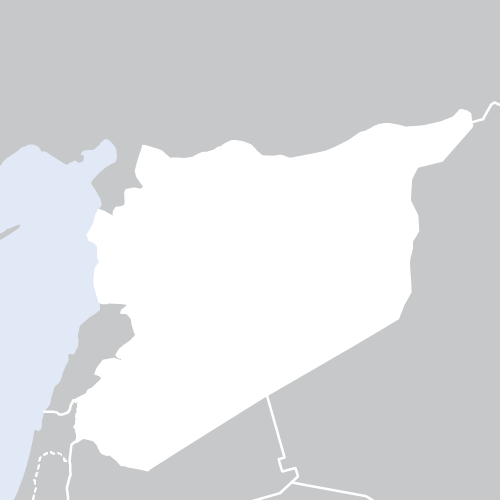
Country: Syrian Arab Republic Source: World Health Organization 31 August 2026, Aleppo, Syrian Arab Republic: When Abdul Hamid Taleb comes to Al-Bab Primary Health Care Centre, he is not looking for a cure. He is living with type 2 diabetes. What he needs is something quieter, but no less important: somewhere he can return to regularly to check his blood sugar, review his health and make sure a condition he lives with every day remains under control. In May 2026, Abdul Hamid visited the internal medicine clinic for one of these follow-up consultations. “Diabetes is something I know I have to keep watching, ” he says. “I cannot wait until I feel very unwell before I think about it. I need to know that my sugar is controlled and that I am doing what I should. ” Following a clinical assessment, the health team reviewed his treatment and prescribed medicines to help regulate his blood sugar and reduce the risk of vascular complications. They also spoke with him about the parts of diabetes management that happen outside the consultation room: taking his medicines consistently, reducing sugar and refined carbohydrates in his diet, staying physically active and continuing to monitor his blood glucose. For Abdul Hamid, these regular conversations are part of living with a chronic illness. “When you come for follow-up, you understand your condition better, ” he says. “They tell me what I need to continue doing and what I need to pay attention to. That helps me feel that I am managing my health, rather than waiting for something to go wrong. ” For people living with diabetes and other noncommunicable diseases, this continuity can be critical. Missed monitoring or interruptions in treatment can allow a manageable condition to progress, increasing the risk of complications and, eventually, the need for more specialized care. Across the same clinic, however, not everyone comes with a diagnosis they already know. Knowing when something needs attention Mohammad Hallaq came to the internal medicine clinic in June this year after experiencing general fatigue and discomfort. Following an examination, health workers found signs consistent with varicose veins, a condition that can cause heaviness, aching and fatigue in the legs. Mohammad received treatment for pain when needed, but much of the consultation focused on things he could do himself: elevating his legs while resting, avoiding standing for long periods, incorporating light walking into his routine and returning to the clinic for follow-up. “I came because I was tired and wanted to understand why, ” Mohammad says. “Sometimes you keep going and assume the discomfort will pass. It was useful to have someone examine me and explain what I could do. ” The advice was straightforward, but that was part of its value. “Not everything needs complicated treatment, ” he adds. “Sometimes knowing how to manage the problem, and knowing when you need to come back, is what you need. ” A few weeks later, Amina Khazma arrived at the same clinic with another common but unsettling combination of symptoms: fatigue and headache. After examining her, the medical team assessed her headache as tension-related. She was given treatment to relieve the pain and advised to rest, drink sufficient fluids and reduce sources of stress and physical strain where possible. Importantly, she was also told to return if the headache persisted or became more severe. “When you have a headache and you are tired, you do not always know whether it is something simple or something you should worry about, ” Amina says. “Being examined gave me reassurance. ” For her, knowing what to watch for was as important as receiving medicine. “They explained what I could do at home and when I should come back, ” she says. “It means you do not have to sit with the worry on your own. ” Care before crisis For Dr Jamal Alwan, who sees patients at Al-Bab Primary Health Care Centre, these different consultations are part of what primary health care is meant to do. “People do not all arrive with the same needs, ” he says. “One person may be living with diabetes and need regular follow-up. Another may have pain or fatigue and not know what is causing it. Our role is to assess them, provide the care they need and help them understand what they can do to protect their health. ” That can mean treatment. It can also mean monitoring, reassurance, health advice or recognizing when someone needs further investigation or referral. “The earlier people come, the more options we often have, ” Dr Alwan says. “Primary health care is not only about treating illness after it becomes severe. It is also about following chronic diseases, recognizing problems early and helping people manage their health before complications develop. ” In communities where years of crisis have damaged health infrastructure and strained household finances, having that first point of care available cannot be taken for granted. Al-Bab Primary Health Care Centre is one of 70 centres across Aleppo, Idleb, Hama and Homs supported through a WHO project funded by KSrelief. The project helps keep services running by supporting health workers and operational costs, alongside medicines, medical supplies and specialized care. Across the project, around 800 medical and non-medical personnel are supported, including more than 450 physicians, nurses and other health professionals. Since November 2025, KSrelief’s support has enabled around 475, 000 consultations, 260, 000 medicine-related services, 51, 000 laboratory tests and 35, 000 dialysis sessions, helping sustain primary health care and life-saving dialysis services. Forty-four supported facilities are also applying protocols for noncommunicable diseases, strengthening the regular, long-term care people like Abdul Hamid rely on. Keeping these services available also supports Syria’s broader health system transition. WHO is working with the Ministry of Health and partners to strengthen primary health care, improve integration and quality, and move towards a more nationally owned health system, while helping ensure that immediate gaps in staffing, medicines and essential services do not disrupt care today. For Dr Alwan, those ambitions become tangible one consultation at a time. “It is the person sitting in front of you who matters at that moment, ” he says. “Maybe they need continued treatment. Maybe they need an examination and reassurance. Maybe they simply need someone to explain what is happening and what they should do next. What matters is that the service is here when they need it. ” At Al-Bab Primary Health Care Centre, that continuity is what turns routine consultations into something more lasting: the chance to manage illness early, protect health and avoid preventable complications.



GrowthPakistan brings you the latest news to keep an eye on Pakistan’s startup ecosystem. Business keeps you growing when you stay aware of your competitors' moves. GrowthPakistan offers Business, Tech, Global Tech, Global, Auto, and Startup News straight from industries all around the globe. This platform will help you identify upcoming opportunities not only in Pakistan but worldwide.
Email : growthpakistan@gmail.com
Whatsapp : +92320-9497079
© growthpakistan