


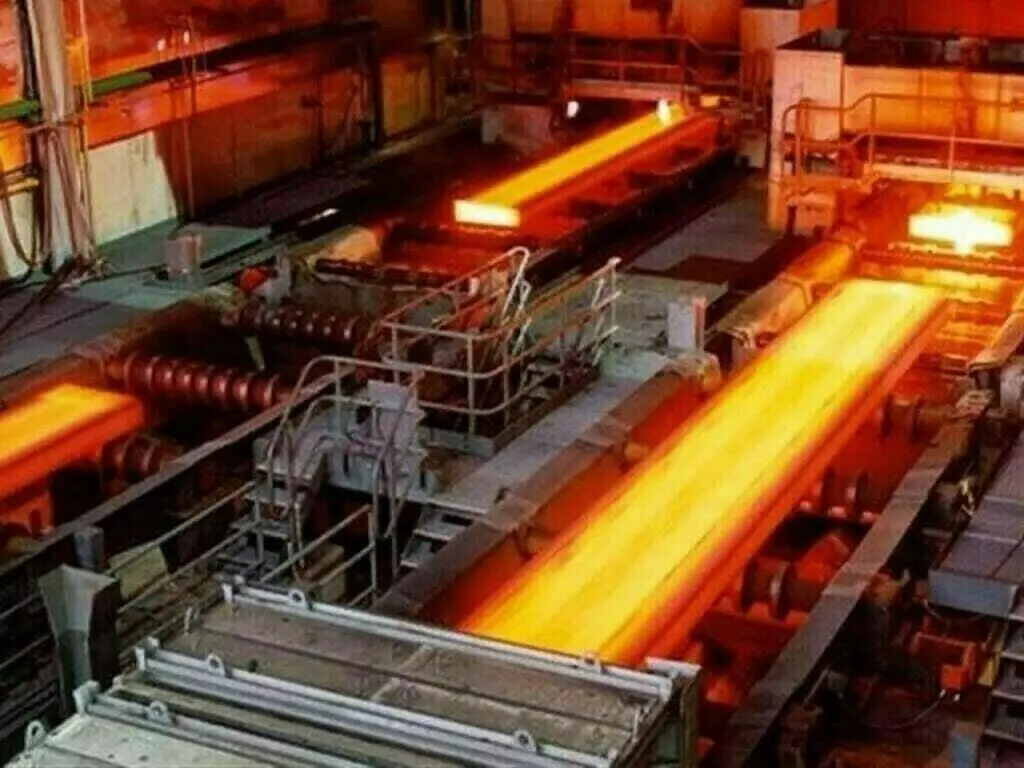
It is back to the basics. No country can survive or compete on imported metals. In a recent meeting with the finance minister Pakistan Electric Fan Manufacturers Association (PEFMA) and the Federation of Pakistan Chamber of Commerce and Industry (FPCCI) sought curbs on export of un-finished metals. To be competitive, they demanded local production of finished copper and aluminium with curbs on export of raw materials. Metals are the building blocks of the nation. Pakistan has abundant deposits of minerals which can be exploited for the benefit of the nation and the downstream industries like fans, electronics, automobile, construction, etc. In the decade of the seventies Pakistan started producing steel at the Port Qasim facility based on imported raw materials (Iron ore plus Coal). Plan was to gradually introduce local raw materials. The Pakistan Steel Mills Corporation (PSMC) produced about 3 MTPY (Million Tons per Year) against a local demand of about 5 MTPY. Unfortunately, the plant was shut down over a gas payment dispute in June 2015. Today the demand is being met through imports. In the year 1995, the Saindak Copper-Gold project came online. While the local needs of copper are met through imports of about 0. 5 MTPY of copper the local concentrate is refined in China and then sold in the open market. A similar agreement has been signed for the Reko Diq project. Despite 74 MT of Bauxite ore in the country, aluminium metal is not being produced locally. PEFMA, being the major user of both metals, should form a consortium to exploit local reserves. The three major fertilizer companies (ENGRO, FFC, Fatima) formed a users’ group for Coal Gasification. FFC has launched a project worth $ 1. 2 billion to produce urea fertilizer after gasification of Thar Coal. Once the production starts, the country will be able to export urea after meeting the local demands. The Islamic Republic of Pakistan (IRP) started off well with major focus on the development of the minerals sector in the decade of the fifties. A minerals research centre was established at PCSIR (Pakistan Council for Science and Industrial Research) Lahore campus. PIDC (Pakistan Industrial Development Corporation) started producing iron based on Kalabagh deposit using the German Krupp-Wren process. Instead of large-scale domestic production, the project was shelved under pressure from the import lobby. Needs were being met through import of steel till 1974 when Pakistan Steel came online. Instead of expansion to attain self-sufficiency, the plant was abruptly shut down. Being the first Materials Engineer to head the Pakistan Science Foundation (PSF), I formulated a road map for local production to meet our needs. Decade-wise gaps were identified as under: Iron Steel should have been produced in the fifties, non-ferrous metals (Copper, Gold & Silver, Chromium, Zirconium, Uranium, Titanium, Aluminium) in the sixties, Electronics in the seventies, Computers in the eighties, Semiconductors and IT in the nineties, 21st century challenges are in application of Biotechnology and AI. The fan industry has spoken. Fertilizer producers have taken the lead by producing urea after gasification of abundantly available coal at Thar. The rich Iron ore deposits at Chiniot are ready for production of steel. Copper concentrates from Saindak, Waziristan and Reko Diq can be refined locally to produce finished metal. Pakistan Atomic Energy Commission (PAEC) has been mining and refining uranium at low levels since decades. The costly Ferro Chrome is being exported in raw form from Muslim Bagh area of Baluchistan with no value addition. Recovery of placer Gold has started form the riverbed of Indus. PPL has invested in a Zinc project. Rare earth metals have also been identified in several areas. Aluminium refining is very specialized. I personally visited an Aluminium plant located in Bosnia in 2004 for a possible joint venture. Despite this huge mineral wealth, the country remains poor and indebted mostly at the mercy of international sharks. I am sure under astute leadership, and a well-prepared road map IRP can do better than that. National priorities must be carefully defined and then pursued to attain self-sufficiency in this vital sector. (The writer is ex-Chairman Pakistan Science Foundation: email: fmaliks@hotmail. com ) Copyright Business Recorder, 2026



GrowthPakistan brings you the latest news to keep an eye on Pakistan’s startup ecosystem. Business keeps you growing when you stay aware of your competitors' moves. GrowthPakistan offers Business, Tech, Global Tech, Global, Auto, and Startup News straight from industries all around the globe. This platform will help you identify upcoming opportunities not only in Pakistan but worldwide.
Email : growthpakistan@gmail.com
Whatsapp : +92320-9497079
© growthpakistan