


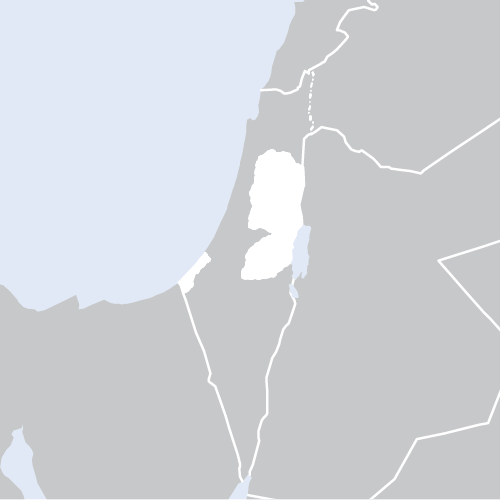
Country: occupied Palestinian territory Source: Save the Children More than 74, 000 children under five in Gaza will suffer acute malnutrition in the year to April 2027, according to new data, highlighting that the crisis remains catastrophic with children paying the highest price. — More than 74, 000 children under five in Gaza will suffer acute malnutrition in the year to April 2027, according to new data, highlighting that the crisis remains catastrophic with children paying the highest price, Save the Children said. New data from the Integrated Food Security Phase Classification (IPC) showed there had been a slight improvement from the last IPC report in December 2025 when 101, 000 children were projected to suffer from acute malnutrition between October 2025 and October 2026. But the latest report showed that the impact on children was still devastating and by next April more than 11, 000 children could face severe acute malnutrition, the most deadly form of child hunger which requires urgent treatment. Previously, 31, 000 children were projected to face acute malnutrition by October this year. These figures remain unacceptably high and fragile, said Save the Children. Without humanitarian food assistance, around 90% of Gaza’s population – or 1. 9 million people – would face high levels of acute food insecurity by December 2026. The IPC, the world’s leading global hunger monitor, attributes recent improvements in nutrition to the scale-up of humanitarian assistance into Gaza following the “ceasefire” in October last year but the entry of humanitarian aid has been declining since February 2026, with nutritious food parcel distributions and nutrition programmes significantly reduced. At the same time, Save the Children staff have reported markets being full of expensive commercial goods, including crisps and chocolates, that lack nutrients, meaning vulnerable families are struggling to access affordable nutritious food items. IPC has warned that despite the improved trends in malnutrition and food insecurity figures, the situation remains fragile and easily reversible, exacerbated by overcrowded living conditions and compromised health, water and sanitation systems, the Children’s Regional Director for the Middle East, North Africa and Eastern Europe, Ahmad Alhendawi, said: “The latest IPC analysis must not be mistaken for a sign that Gaza’s children are recovering. It is a warning that humanitarian assistance has helped prevent an even deeper catastrophe, but those gains remain dangerously fragile. Food consumption is still inadequate, humanitarian assistance remains the only lifeline for most families, and every disruption to humanitarian access risks undoing the modest progress that has been made. “Children should not have to pay the price for political inaction. Every delay in securing safe, sustained and predictable humanitarian access puts more children at risk of hunger, malnutrition and preventable illness. Governments must use every means at their disposal to secure a permanent ceasefire, ensure safe, sustained and predictable humanitarian access, restore essential services, and create the conditions for Palestinian children not simply to survive, but to recover and thrive.” Bissan*, 14, has seen meaningful change in herself since joining Save the Children’s activities. When she first arrived, she struggled with confidence and often kept to herself, worried about saying the wrong thing or being judged by others. Over time, through psychosocial support sessions, awareness activities, and creative outlets like drawing, she began to open up. She learned how to express herself, connect with others, and feel more comfortable in social settings, gradually becoming more confident and engaged. She has learned about respect, kindness, and how to handle difficult situations safely, including the importance of turning to trusted adults for support. At home, her relationships with her siblings improved — she now approaches disagreements calmly, helping resolve conflicts rather than contributing to them. Despite the challenges of living through war, Bissan* finds comfort in having a space where she can speak freely and feel supported. Looking ahead, she holds on to her ambitions of becoming a journalist or a model and continues to enjoy drawing as a way to express her thoughts and feelings. Above all, Bissan* hopes for an end to the war—so that families can return home and life can begin to feel normal again. Save the Children staff are supporting children in Gaza with psychosocial support services and child friendly spaces where children can play, learn and connect with other children. The child rights organisation is also providing health, nutrition and water and sanitation and hygiene (WASH) services to communities in Gaza, which includes critical provisions of clean water and hygiene promotion activities. Save the Children After 1, 000 days of war, children in Gaza said they had lost homes, schools and a sense of safety but not their hopes for the future with even the ongoing violence failing to stop them from dreaming of peace and careers to help them rebuild their communities. Save the Children staff have spoken with families who are too afraid to sleep at night, worried their children will be bitten by rats. Israeli authorities announced earlier today that they are closing border crossings into the Gaza Strip, including Kerem Shalom and Rafah, until further notice.



GrowthPakistan brings you the latest news to keep an eye on Pakistan’s startup ecosystem. Business keeps you growing when you stay aware of your competitors' moves. GrowthPakistan offers Business, Tech, Global Tech, Global, Auto, and Startup News straight from industries all around the globe. This platform will help you identify upcoming opportunities not only in Pakistan but worldwide.
Email : growthpakistan@gmail.com
Whatsapp : +92320-9497079
© growthpakistan