


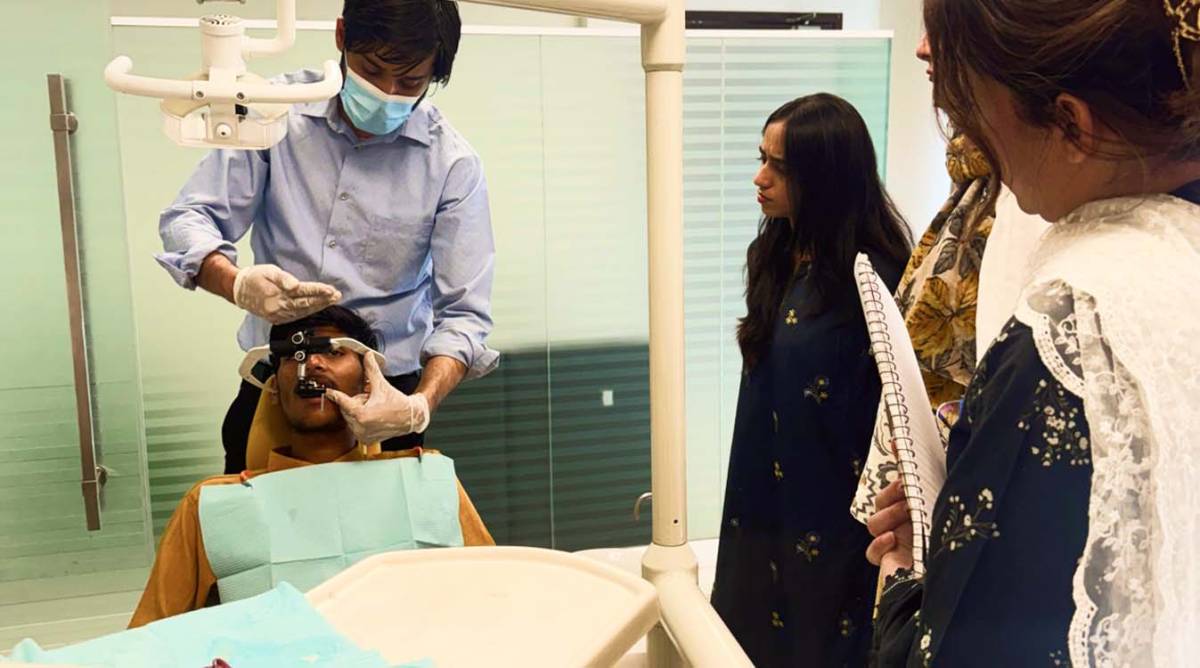
LAHORE: In modern dentistry, a single misaligned bite can silently trigger chronic pain, dysfunction, and long-term complications—yet occlusion and temporomandibular disorders (TMD) remain among the most misunderstood areas in everyday clinical practice. Addressing this critical gap, Institute of Advanced Dental Sciences and Research (IADSR) has taken a decisive step forward with a high-impact, hands-on workshop designed to transform how dentists approach these complex conditions. As part of its flagship 20th Professional Diploma in Advanced General Dentistry (PDAGD), IADSR recently conducted a two-day intensive workshop on “Occlusion and Temporomandibular Disorders (TMD) and Splint Therapy”—bringing theory, diagnostics, and practical execution together in one clinically immersive experience. Bridging theory with clinical reality The workshop was facilitated by Dr. Hamza Ahmad Sahaf, BDS, FCPS (Prosthodontics), Senior Registrar at the Department of Prosthodontics, University College of Medicine and Dentistry. From the outset, the focus was clear: move beyond textbook knowledge and equip practitioners with real-world clinical decision-making skills. The opening session laid the foundation with a detailed exploration of occlusion—covering its fundamentals and the critical concept of centric relationship between maxillary and mandibular teeth. These principles are not just academic—they define how effectively a dentist can diagnose and manage functional issues in patients. When bite goes wrong: understanding occlusion in practice Participants were trained in occlusal adjustments, a key clinical intervention used to refine tooth contact patterns and improve overall function. A particularly impactful segment focused on canine guidance—a concept often overlooked but essential in preventing occlusal disharmony. The facilitator emphasized how the absence or mismanagement of canine guidance can lead to significant complications, reinforcing the need for precision in treatment planning. Decoding TMD: from anatomy to diagnosis Moving deeper into clinical complexity, the workshop explored the anatomy and function of the temporomandibular joint (TMJ), including: • Structure of the TMJ• Anatomy of the articular disc• Common temporomandibular disorders• Underlying causes and risk factors Participants were guided through clinical examination techniques, including muscle assessment and diagnostic evaluation of TMD conditions—skills that are critical yet often underdeveloped in general practice. Hands-on splint therapy: learning by doing The highlight of the workshop was the practical demonstration and execution of splint fabrication. Under direct supervision of Dr. Hamza Ahmad Sahaf, participants not only observed but actively performed the procedure—bridging the gap between theory and application. Real-time troubleshooting ensured that every challenge faced during the process became a learning opportunity. This hands-on approach transformed the session from a lecture into a clinical skill-building experience, empowering participants with confidence to implement these techniques in their own practices. Importance of this training With rising cases of stress-related bruxism, jaw pain, and functional disorders, TMD is becoming an increasingly common yet underdiagnosed condition. Workshops like this signal a broader shift in Pakistan’s dental education landscape—toward evidence-based, skill-driven, and patient-centered care. By focusing on occlusion, TMJ health, and splint therapy, IADSR is not just training dentists—it is strengthening the foundation of clinical dentistry where precision directly impacts patient outcomes. A step toward clinical excellence The two-day workshop concluded successfully, achieving its intended learning objectives and leaving participants better equipped to handle complex occlusal and TMD cases. As dentistry continues to evolve, such initiatives highlight the growing importance of continuous professional development—ensuring that practitioners stay aligned with modern standards and deliver safer, more effective care. Stay informed, stay ahead pk/05-May-2026/iadsr-occlusion-tmd-splint-therapy-workshop-2026″ target=”_blank” rel=”nofollow noopener noreferrer”>Read full story on Dental News



GrowthPakistan brings you the latest news to keep an eye on Pakistan’s startup ecosystem. Business keeps you growing when you stay aware of your competitors' moves. GrowthPakistan offers Business, Tech, Global Tech, Global, Auto, and Startup News straight from industries all around the globe. This platform will help you identify upcoming opportunities not only in Pakistan but worldwide.
Email : growthpakistan@gmail.com
Whatsapp : +92320-9497079
© growthpakistan