


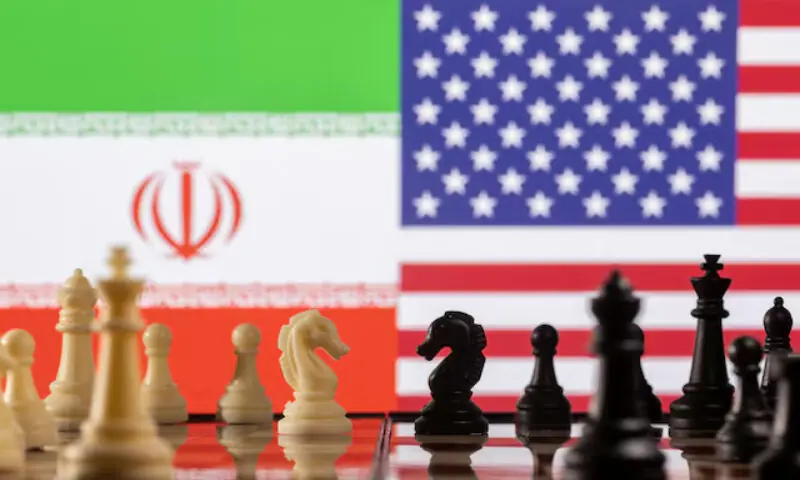
Iran on Saturday said it is reviewing new proposals from the United States but warned it will make no concessions, as tensions remain high over negotiations and control of the Strait of Hormuz. In a statement, Iran’s Supreme National Security Council said recent proposals were presented by Washington during mediation efforts involving Pakistan. It added that Tehran has yet to respond. “Iran’s negotiating delegation will not make even the slightest compromise, retreat or leniency, and will defend with all its strength the interests of the Iranian nation, ” the council said. The statement revealed that the United States had begun sending messages as early as the 10th day of the conflict, seeking a ceasefire and talks. By the 40th day, US President Donald Trump had accepted a 10-point framework aimed at halting the war. Iran agreed to negotiations under Pakistan’s mediation, and a 21-hour round of talks was held, but it ended without any breakthrough after what Tehran described as additional demands from the US side. Iran said negotiations would only resume if Washington refrains from what it called “excessive demands” and aligns with “realities on the ground. ” Tehran also confirmed that it had demanded a ceasefire in Lebanon as part of its conditions, claiming Israel initially violated the terms before eventually agreeing to a truce. On the maritime front, Iran said it had decided to conditionally reopen the Strait of Hormuz for commercial vessels under the supervision of the Islamic Revolutionary Guard Corps. However, it warned that continued US naval blockade of Iranian ports constitutes a violation of ceasefire understandings. “Iran is determined to enforce supervision and control over traffic through the Strait of Hormuz until the definitive end of the war, ” the council said. It added that vessels would be required to follow designated routes and pay fees related to security, safety and environmental services. Iran stressed that the strait would not be reopened — even conditionally — as long as the US blockade remains in place, calling it a threat to national security. Pakistan has emerged as a key mediator between the two sides and hosted an initial round of talks last week, though no agreement was reached.



GrowthPakistan brings you the latest news to keep an eye on Pakistan’s startup ecosystem. Business keeps you growing when you stay aware of your competitors' moves. GrowthPakistan offers Business, Tech, Global Tech, Global, Auto, and Startup News straight from industries all around the globe. This platform will help you identify upcoming opportunities not only in Pakistan but worldwide.
Email : growthpakistan@gmail.com
Whatsapp : +92320-9497079
© growthpakistan