


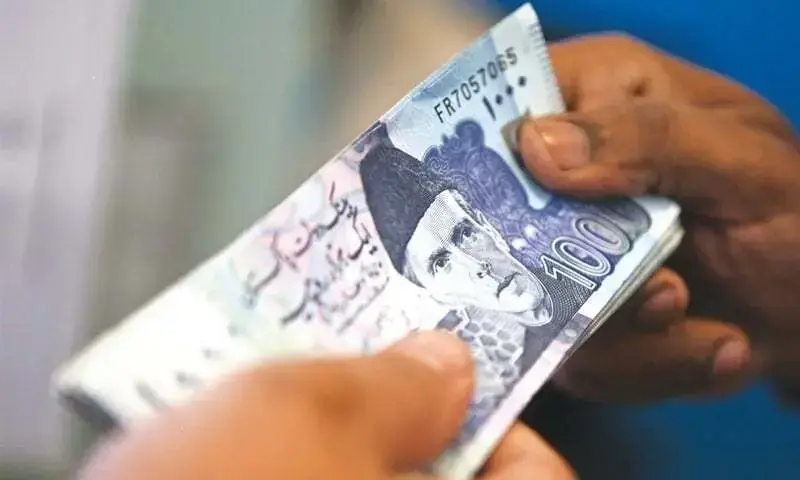
KARACHI: Trade and industry leaders on Monday criticised the State Bank of Pakistan (SBP) for raising the interest rate by 100 basis points to 11. 5 per cent, calling the move ill-timed and unfortunate. They argued that it came at a delicate stage when the country was recovering and stabilising amid the Middle East conflict. They noted that even when inflation was on the lower side, the policy rate remained elevated at 10. 5pc. The industry had repeatedly urged the central bank to bring it down to single digits, in line with regional benchmarks, but these appeals were ignored. Offering a different view, Secretary General of the Overseas Investors Chambers of Commerce and Industry (OICCI), M. Abdul Aleem, told Dawn that the 100-bps hike was largely expected and necessary for the overall sustainability of the economy. OICCI backs move, cites sustainability over manufacturing strain While the OICCI is concerned about the increased financial pressure on the manufacturing and other key sectors, “we prioritise overall macroeconomic stability as the only sustainable path for the growth of the economy and for foreign investment”. “We expect accelerated structural reforms — particularly in the energy sector and in tax-base broadening — to offset these rising capital costs and protect fragile industrial growth. Overall, challenging times lie ahead, ” Mr Aleem said. Federation of Pakistan Chambers of Commerce and Industry (FPCCI) President Atif Ikram Sheikh said the continued tightening of monetary policy would deal a crippling blow to the struggling industrial and export sectors, as Pakistan no longer needs contractionary, regressive monetary or fiscal policies. A high-interest-rate environment fundamentally contradicts the government’s stated goals of economic revitalisation, export growth and job creation — rendering Pakistani products uncompetitive on regional and international markets, he said. Industries simply cannot survive, let alone expand, under such an exorbitant cost of borrowing while competing with regional economies with much lower interest rates. He said the rate hike would only escalate the cost of doing business, choke private-sector credit even further, and potentiate the pressures of de-industrialisation. FPCCI’s Senior Vice President Saquib Fayyaz Magoon said the decision would effectively shut the door on affordable access to finance for SMEs. With exorbitant energy tariffs and heavy compliance costs, this monetary tightening will push many manufacturers toward default or complete closures, making the Federal Board of Revenue’s ambitious revenue targets unachievable. Karachi Chamber of Commerce and Industry (KCCI) President Muhammad Rehan Hanif said prior to the Middle East war, inflationary pressures were relatively subdued and well within a manageable range. Despite a slight rise in inflation due to geopolitical developments, this could not be a valid basis for tightening monetary policy. “Under the prevailing circumstances, there was ample room for the SBP to maintain the status quo rather than resorting to an increase, ” he said. Several countries in the region, despite facing similar external shocks and geopolitical uncertainties, have maintained the policy rates between 5pc and 8pc to support economic activity and industrial growth, while Pakistan’s higher interest rate regime places its business and industrial sectors at a distinct disadvantage, Mr Hanif stressed. SITE Association of Industry President Abdul Rahman Fudda said the increase in borrowing costs would further discourage investment and tighten already-constrained working capital cycles. Inflationary pressures in Pakistan are primarily driven by supply-side constraints, exchange rate volatility, and administered price adjustments. Aggressive monetary tightening, he warned, risks exacerbating these challenges. Mr Fudda said that hiking interest rates would send a negative signal to investors. Consistency and predictability in policy direction are critical for long-term investment planning. Korangi Association of Trade and Industry President Muhammad Ikram Rajput said inflation cannot be controlled through interest rate hikes alone, and supply-side reforms, lower energy costs, and an improved business environment are also essential. Current inflationary pressures are driven by high energy prices, taxes, and import costs, and can be addressed more effectively through administrative and policy measures rather than monetary tools, he said. North Karachi Association of Trade and Industry President Faisal Moiz Khan pointed out that the single-digit interest rate in regional economies is eroding Pakistan’s industrial competitiveness and driving investors away. High petroleum product prices have already driven up industrial production costs considerably, threatening manufacturers’ financial viability. The latest rate hike would add fuel to an already raging fire, Mr Khan said, adding that the export sector desperately needs relief during these turbulent times, but unfortunately, those hopes are fading. Published in Dawn, April 28th, 2026



GrowthPakistan brings you the latest news to keep an eye on Pakistan’s startup ecosystem. Business keeps you growing when you stay aware of your competitors' moves. GrowthPakistan offers Business, Tech, Global Tech, Global, Auto, and Startup News straight from industries all around the globe. This platform will help you identify upcoming opportunities not only in Pakistan but worldwide.
Email : growthpakistan@gmail.com
Whatsapp : +92320-9497079
© growthpakistan