


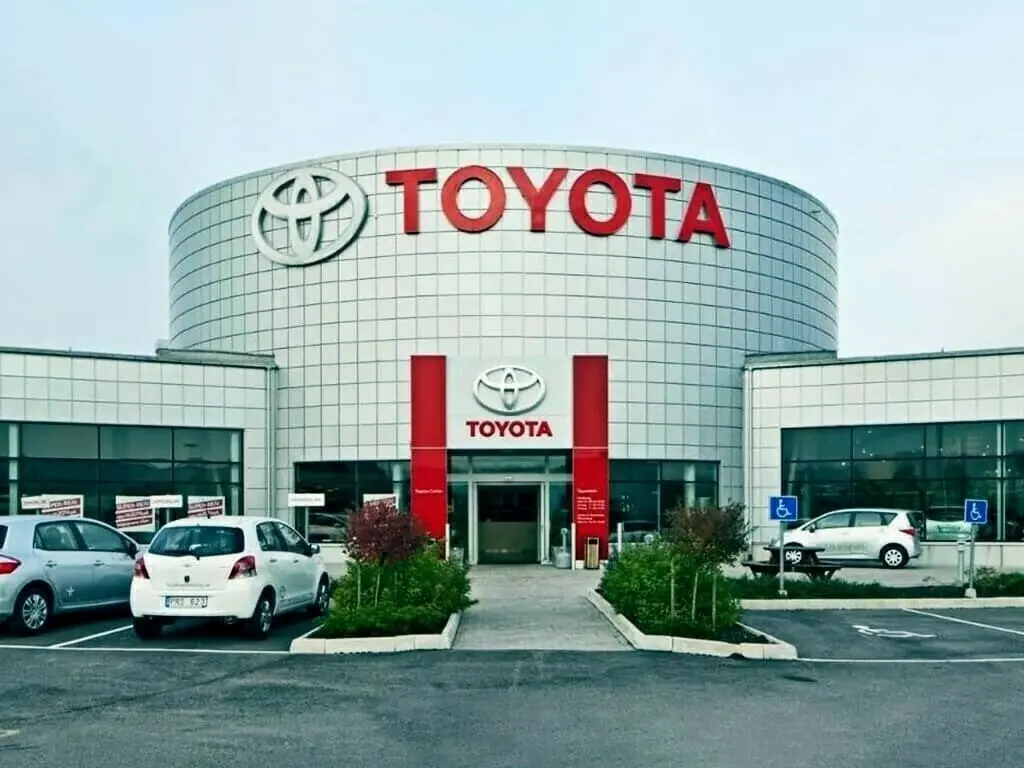
Indus Motor Company (PSX: INDU) knows how to defend margins even when the automotive market is so rapidly changing. The latest nine-month results for FY26 demonstrate that the company remains financially sturdy, operationally disciplined, and highly cash generative. At the same time, while Indus is earning well, it is np longer expanding with the same ease in a market it once did as rivals are multiplying and consumer tastes are shifting faster than ever before. The latest quarter looks health. Third-quarter FY26 earnings came in at Rs6. 7 billion, up 2 percent year-on-year and 12 percent quarter-on-quarter. Nine-month profit after tax reached Rs19. 4 billion, up 17 percent from the same period last year. Revenues for the nine months rose 32 percent while gross margins remained steady at 15 percent. That would normally suggest a company firing on all cylinders. But here’s the naunced picture. The net profit margin has slipped to 10 percent for 9MFY26 from 11 percent during the same period last year. Gross margins at 15 percent are steady but stand far below a relatively fresh competitor in the market in the form of Sazgar Engineering. The company commands in terms of volumes, but no longer in terms of its profitability relative to volumes. During 3QFY26, Indu sold 12, 750 units, up 40 percent year-on-year and 19 percent quarter-on-quarter. That is certainly an encouraging recovery from the demand drought of FY23 and FY24 and yet, it remains well below the company’s peak years when quarterly sales ran much higher and long waiting periods by customers were a sign of great market power and not supply constraints. While the SUV to sedan shift follows broader market trends, Indus Motors is no longer competing only against traditional assemblers. It is now battling a wave of newer entrants willing to discount, advertise aggressively, and target the same affluent customer who once had limited choices. Though Toyota’s brand loyalty remains a formidable asset—with Corolla at the helm followed by the aspirational pull of Fortuner and Hilux, the Pakistani auto buyer today sees Haval, Hyundai, Kia, MG, Changan and others on the road with growing frequency. For the first time in years, variety itself has become a competitive weapon. Sazgar is the clearest example. Haval volumes in 3QFY26 reached 5, 363 units, more than double Indus’s Fortuner/IMV volumes. While not a like-for-like comparison in price or positioning, it shows where the momentum in the SUV space is building. Indus Motors may still own premium legacy recognition, but fresh alternatives are shaping consumer imagination. Meanwhile, the old formula of pricing power is harder to rely on. In recent years, assemblers protected profitability through repeated price hikes, aided by rupee depreciation and supply shortages. That lever has weakened as inventories normalized and multiple brands are chasing the same buyer. This makes discounts, financing plans, and features more important for profitability than sticky price escalation. To its credit, INDU still has a fortress balance sheet mindset. Finance costs remain negligible, other income continues to cushion the bottom line, and the company announced another interim dividend, taking the nine-month payout to Rs148 per share. This kind of earnings risilience and cash returns are tagged to only a few industrial names in Pakistan. However, there is no denying that if Indus Motors wants to regain more than just profitability, it needs fresh wheels in a deeper sense. Faster product upgrade cycles, stronger presence in hybrids, faster response to shifting consumer preferences, and perhaps a more aggressive stance in segments where new entrants are setting the pace.



GrowthPakistan brings you the latest news to keep an eye on Pakistan’s startup ecosystem. Business keeps you growing when you stay aware of your competitors' moves. GrowthPakistan offers Business, Tech, Global Tech, Global, Auto, and Startup News straight from industries all around the globe. This platform will help you identify upcoming opportunities not only in Pakistan but worldwide.
Email : growthpakistan@gmail.com
Whatsapp : +92320-9497079
© growthpakistan