


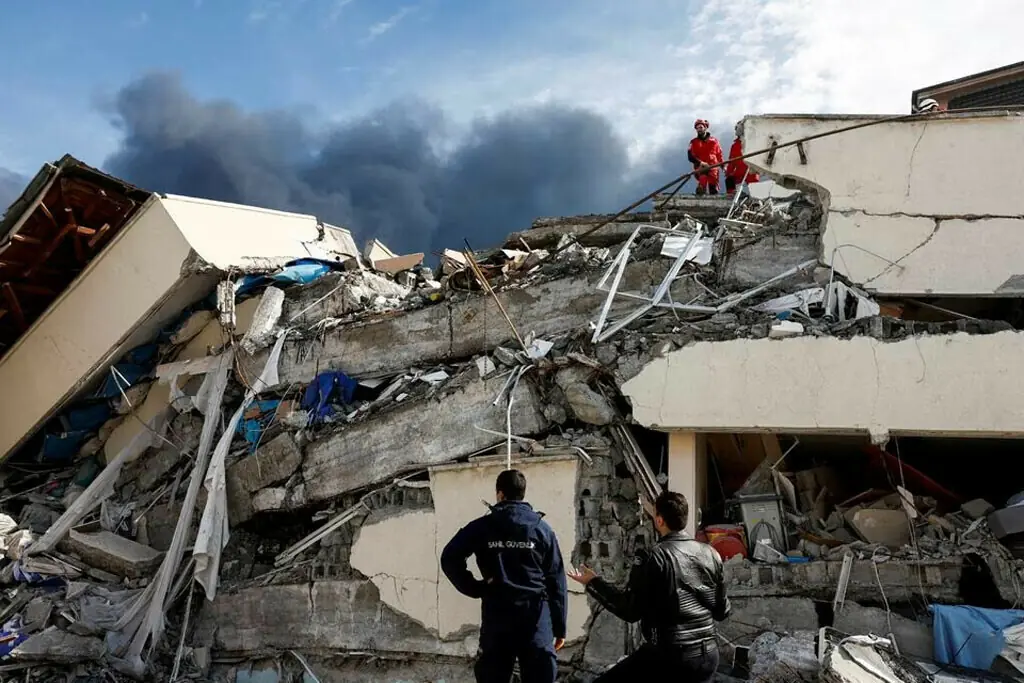
EDITORIAL: The latest figures from the Centre for Research on the Epidemiology of Disasters, based at the University of Louvain in Belgium, offer a sobering snapshot of a world increasingly affected by natural hazards and climate stress. With 358 disasters recorded in 2025, over 16, 000 lives lost, and more than 110 million people affected, the data underscores not only the scale of human suffering but also the widening gap between risk and preparedness. What stands out most is the disproportionate burden borne by Asia. Major earthquakes in Myanmar and Afghanistan accounted for a significant share of fatalities, highlighting the deadly intersection of seismic vulnerability, dense populations, and inadequate infrastructure. These are not merely “natural” disasters; they are caused to a considerable extent by governance failures, weak planning frameworks, and limited institutional capacity to respond effectively. At the same time, 2025 reinforced the intensifying footprint of climate-related extremes. The devastating drought in Syria, which left 80 percent of the population in need of assistance, illustrates how prolonged water stress can push already fragile societies toward systemic crisis. Similarly, the Palisades and Eaton wildfires in the US—among the costliest ever recorded—reflect a dangerous convergence of rising temperatures, extended dry spells, and expanding human settlements into fire-prone areas. Such events are not anomalies, but part of a broader pattern associated with global warming. Pakistan’s inclusion among the ten most affected countries is both unsurprising and deeply concerning. The monsoon floods from June to September, which killed over 1, 000 people and affected nearly seven million, reflect a recurring cycle of vulnerability. Intense rainfall, inadequate drainage, unplanned urbanization, and fragile rural livelihoods combine to turn seasonal weather into large-scale humanitarian crises. The mid-August peak once again exposed persistent gaps in preparedness and post-disaster recovery. Equally, troubling is what the data does not yet fully capture. Heat waves across Pakistan, India, and Europe remain underreported due to delays in mortality attribution. Heat-related deaths are often invisible in official statistics, particularly where healthcare systems are strained or record-keeping is inconsistent. The same holds true for drought-related fatalities, which unfold gradually and are therefore harder to quantify, yet are no less devastating in their impact. Taken together, these trends highlight an urgent need to rethink disaster management. Investment in resilient infrastructure, climate-adaptive agriculture, and robust early warning systems is no longer optional. Equally important is improving data collection and reporting so that the true human cost of climate extremes is neither underestimated nor ignored. The 2025 disaster record is not merely a ledger of losses; it is a warning that, without sustained global and national action, the frequency, intensity, and toll of such events will continue to rise, placing ever greater strain on vulnerable populations and fragile economies. Copyright Business Recorder, 2026



GrowthPakistan brings you the latest news to keep an eye on Pakistan’s startup ecosystem. Business keeps you growing when you stay aware of your competitors' moves. GrowthPakistan offers Business, Tech, Global Tech, Global, Auto, and Startup News straight from industries all around the globe. This platform will help you identify upcoming opportunities not only in Pakistan but worldwide.
Email : growthpakistan@gmail.com
Whatsapp : +92320-9497079
© growthpakistan