


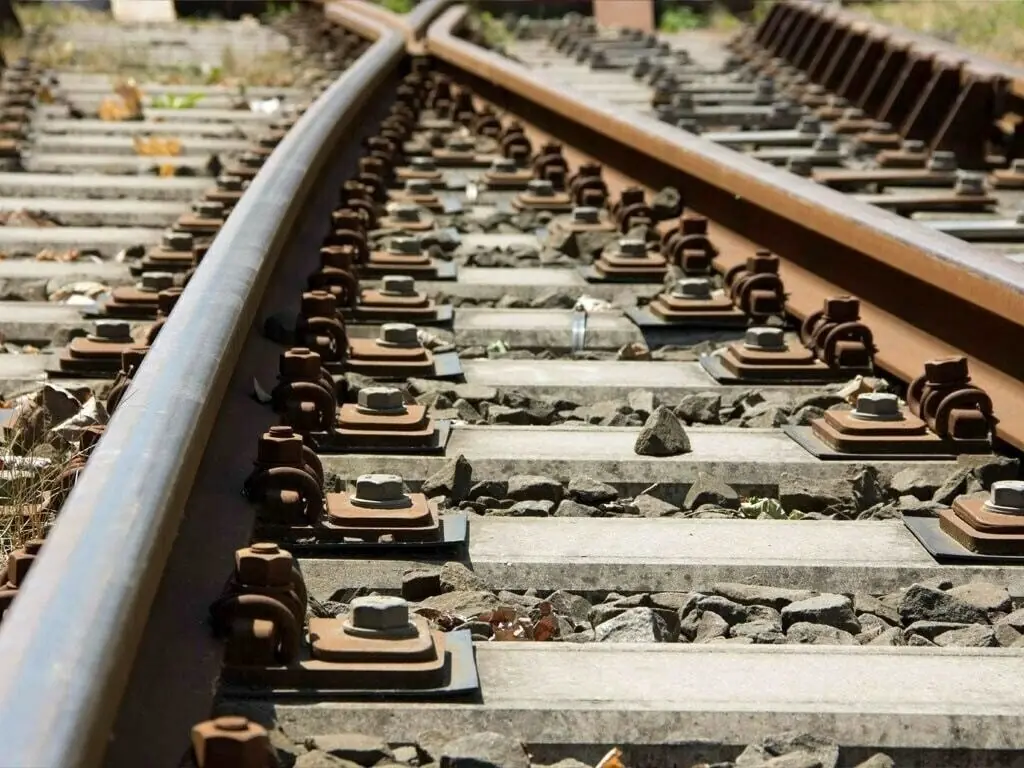
EDITORIAL: The episode in the Tarnol area of Islamabad, where a citizen’s satirical social media remark about a civic issue triggered criminal proceedings under multiple sections of the Pakistan Penal Code, raises troubling questions about the state of freedom of expression in this country. Article 19 of the Constitution guarantees citizens the right to speak freely, subject to reasonable restrictions. Yet, what constitutes “reasonable” appears to be expanding in ways that are hollowing out the very essence of that guarantee. At the heart of this case is a tongue-in-cheek comparison: describing a local railway crossing as being “no less significant than the Strait of Hormuz. ” The remark was clearly hyperbolic, even humorous, and reflected a common form of civic frustration expressed through satire. However, the response by local police—invoking Sections 188, 341, and 511 of the PPC—speaks of an alarming readiness to interpret even benign commentary as a potential threat to public order. This tendency to criminalise speech, especially in digital spaces, reflects a broader pattern. Laws originally designed to maintain order or prevent genuine harm are increasingly being applied in ways that blur the line between legitimate security concerns and the suppression of dissent. Section 144, also cited in the FIR, is a tool meant for exceptional circumstances. Its extension to regulate ordinary social media expression turns a temporary measure into a standing constraint on public discourse. Equally concerning is the speed and manner of enforcement. The FIR notes that police personnel, while on routine patrol, encountered the “viral post” and acted immediately. Such promptness would be commendable in cases involving clear threats, but in situations like this, it suggests questionable judgment—if not impropriety. There is also a deeper issue at play: the chilling effect such actions can have on society. When citizens see that even mild satire can lead to arrest, they are likely to self-censor. This erosion of open dialogue weakens democratic engagement. Civic issues—like the inconvenience of a railway crossing—are precisely the kinds of matters that benefit from public discussion, even if that discussion is sometimes irreverent or exaggerated. To be clear, freedom of expression is not absolute. There are legitimate grounds for restricting speech that incites violence, spreads hatred, or poses a genuine risk to national security. But equating a sarcastic social media post with such dangers is unacceptable and counterproductive. The Tarnol incident should prompt reflection within both law enforcement and policymaking circles. Safeguarding public order is important, but it must not come at the cost of silencing ordinary citizens. An aspiring democracy’s strength lies not in how it controls speech, but in how it tolerates and engages with it—even when that speech is inconvenient, critical, or laced with humour. Copyright Business Recorder, 2026



GrowthPakistan brings you the latest news to keep an eye on Pakistan’s startup ecosystem. Business keeps you growing when you stay aware of your competitors' moves. GrowthPakistan offers Business, Tech, Global Tech, Global, Auto, and Startup News straight from industries all around the globe. This platform will help you identify upcoming opportunities not only in Pakistan but worldwide.
Email : growthpakistan@gmail.com
Whatsapp : +92320-9497079
© growthpakistan