


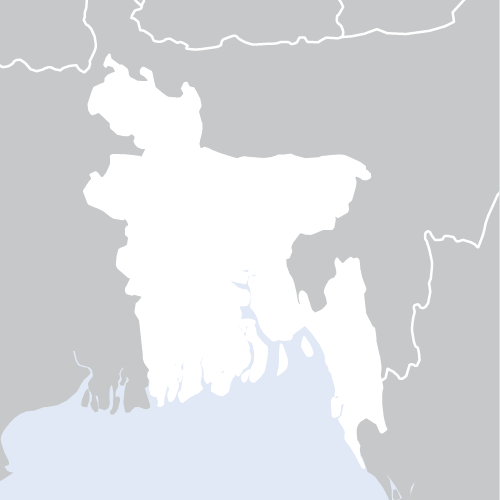
Countries: Bangladesh, Myanmar Source: Save the Children “We opened this hospital to bring specialised care closer to those who need it the most and to ensure mothers feel safe and supported. Hopefully this will be the first of many successful deliveries that reinforce our commitment to strengthen healthcare for mothers and babies in Cox’s Bazar. ” COX’S BAZAR, Bangladesh 6 July 2026 – The first baby born by caesarean section (C-section) was safely delivered at a new Save the Children hospital in Cox’s Bazar, Bangladesh, at a time when global aid cuts are putting essential services at risk in the world’s largest refugee settlement. The new Maternal and Child Hospital opened earlier this year and is the first facility to specialise in maternal and neonatal health in the Rohingya camps, where an overall reduction in donor funding has led to the closure of some health centres and learning facilities. Health workers at the hospital realised the need for the C-section and safely delivered the baby last month after the baby’s mother, Shirin*, who has three other children, experienced prolonged labour with reduced amniotic fluid causing an irregular heartbeat for her baby and rising blood pressure. Golam Mostofa, Cox’s Bazar Area Director, Save the Children International, said: “Every birth is a moment for celebration but this birth in particular deserves a moment because our teams were able to support the mother throughout a delivery that came with complications. “We opened this hospital to bring specialised care closer to those who need it the most and to ensure mothers feel safe and supported. Hopefully this will be the first of many successful deliveries that reinforce our commitment to strengthen healthcare for mothers and babies in Cox’s Bazar. ” The hospital, which has 59 beds, offers services including emergency newborn care and stabilization, antenatal care, nutrition support and services for gender-based violence survivors. It is designed to care for both Rohingya refugee and women from host communities in Cox’s Bazar, where access to specialized healthcare is limited and maternal and newborn mortality rates remain high. [1] Cox’s Bazar in Bangladesh is home to the world’s largest refugee camp and hosts over one million Rohingya refugees who fled persecution in Myanmar, with more than half being children. Some Rohingya women experience high-risk pregnancies in the camps because of poor nutrition, limited pre-natal healthcare access, and underlying health conditions as well as other factors including the distance to and the cost involved in getting to a health facility. Shirin*, the mother, said: “The doctors and nurses took such great care of me that I felt safe throughout the procedure. The doctors also spoke to my family so they would understand why the surgery was necessary. The hospital is so clean, and they maintain hygiene well. ” Save the Children has been working in Cox’s Bazar since 2012 and significantly increased its activities following the 2017 exodus of refugees to Bangladesh, with programs in education, health and nutrition, food, water, shelter, and child protection services. *Name changed to protect anonymity. References: [1] https: //data. unicef. org/topic/maternal-health/maternal-mortality/ A former volunteer teacher in Baidoa retrains through a Save the Children diploma course for women and transforms her classroom into a place where girls speak up, stay in school, and see what an educated woman can be. Computers in the digital learning center created thanks to the support of Save the Children in the school of Stary Bilous village, Chernihiv region, Ukraine, January 24, 2023. Oleksandr Khomenko / Save the Children Harm to children caused by generative AI technologies is not limited to tools with video or photographic outputs, said Save the Children. Text-based chatbots also carry significant risks, including holding the potential to provide offenders information on how to commit child sexual abuse and steering children towards sexual conversations. Bissan*, 14, has seen meaningful change in herself since joining Save the Children’s activities. When she first arrived, she struggled with confidence and often kept to herself, worried about saying the wrong thing or being judged by others. Over time, through psychosocial support sessions, awareness activities, and creative outlets like drawing, she began to open up. She learned how to express herself, connect with others, and feel more comfortable in social settings, gradually becoming more confident and engaged. She has learned about respect, kindness, and how to handle difficult situations safely, including the importance of turning to trusted adults for support. At home, her relationships with her siblings improved — she now approaches disagreements calmly, helping resolve conflicts rather than contributing to them. Despite the challenges of living through war, Bissan* finds comfort in having a space where she can speak freely and feel supported. Looking ahead, she holds on to her ambitions of becoming a journalist or a model and continues to enjoy drawing as a way to express her thoughts and feelings. Above all, Bissan* hopes for an end to the war—so that families can return home and life can begin to feel normal again. Save the Children staff are supporting children in Gaza with psychosocial support services and child friendly spaces where children can play, learn and connect with other children. The child rights organisation is also providing health, nutrition and water and sanitation and hygiene (WASH) services to communities in Gaza, which includes critical provisions of clean water and hygiene promotion activities. Save the Children After 1, 000 days of war, children in Gaza said they had lost homes, schools and a sense of safety but not their hopes for the future with even the ongoing violence failing to stop them from dreaming of peace and careers to help them rebuild their communities.



GrowthPakistan brings you the latest news to keep an eye on Pakistan’s startup ecosystem. Business keeps you growing when you stay aware of your competitors' moves. GrowthPakistan offers Business, Tech, Global Tech, Global, Auto, and Startup News straight from industries all around the globe. This platform will help you identify upcoming opportunities not only in Pakistan but worldwide.
Email : growthpakistan@gmail.com
Whatsapp : +92320-9497079
© growthpakistan