


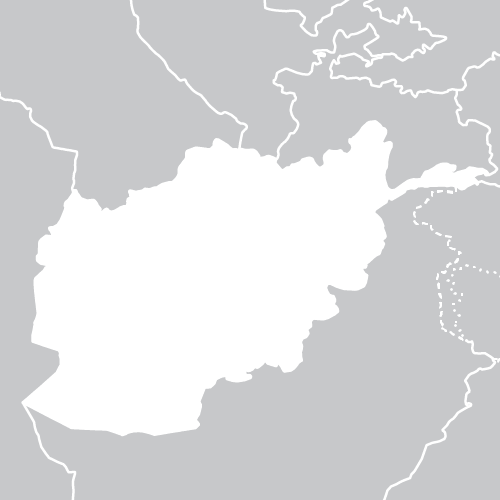
Country: Afghanistan Source: United Nations Population Fund Badghis, Afghanistan — When Manawara arrived at the Family Health House (FHH) in Saqab village in Dara-e-Boom District, she was 38 weeks pregnant and experiencing heavy bleeding and her blood pressure was below normal — indications of potential complications. Her condition deteriorated rapidly just before delivery. With a sense of urgency, midwife Madina immediately assessed her condition and confirmed that Manawara’s baby was in breech position. Utilizing medicines and emergency protocols, the midwife began emergency management to stabilize Manawara’s condition, primarily to manage the bleeding. Once Manawara’s condition improved, the midwife applied her experience and skills to safely deliver the baby. After some delivery techniques and manoeuvres by the midwife, Manawara finally delivered her child. For the 40-year-old mother, it was both a relief and a triumph. She had unspoken fears leading to her delivery due date, as she had a history of three unsuccessful pregnancies. This time, she made sure she was cared for by a skilled midwife at the FHH and regularly attended antenatal care. Midwife Madine recalled: She came in a very critical state. .. With timely care and close monitoring, we were able to manage the complications and ensure a safe delivery. Following the birth, Manawara received postnatal care and counselling on newborn care, hygiene, and follow-up visits. She and her baby were discharged and sent home in good health. Manawara and her family expressed deep appreciation for the services provided at the FHH. Their experience has strengthened their trust in skilled care, and they now encourage others in the community to seek care at the facility. In remote areas like Dara-e-Boom, where access to higher-level facilities is limited and poverty restricts health-seeking options, the presence of a functioning FHH can be lifesaving. Supported by the Government of Canada, in partnership with UNFPA, the Saqab Family Health House provides essential maternal and newborn health services, ensuring that women can access timely, skilled care close to home. Manawara’s story shows how rapid response, skilled midwifery care, and accessible services can prevent life-threatening complications and give mothers and newborns a safe start.



GrowthPakistan brings you the latest news to keep an eye on Pakistan’s startup ecosystem. Business keeps you growing when you stay aware of your competitors' moves. GrowthPakistan offers Business, Tech, Global Tech, Global, Auto, and Startup News straight from industries all around the globe. This platform will help you identify upcoming opportunities not only in Pakistan but worldwide.
Email : growthpakistan@gmail.com
Whatsapp : +92320-9497079
© growthpakistan