


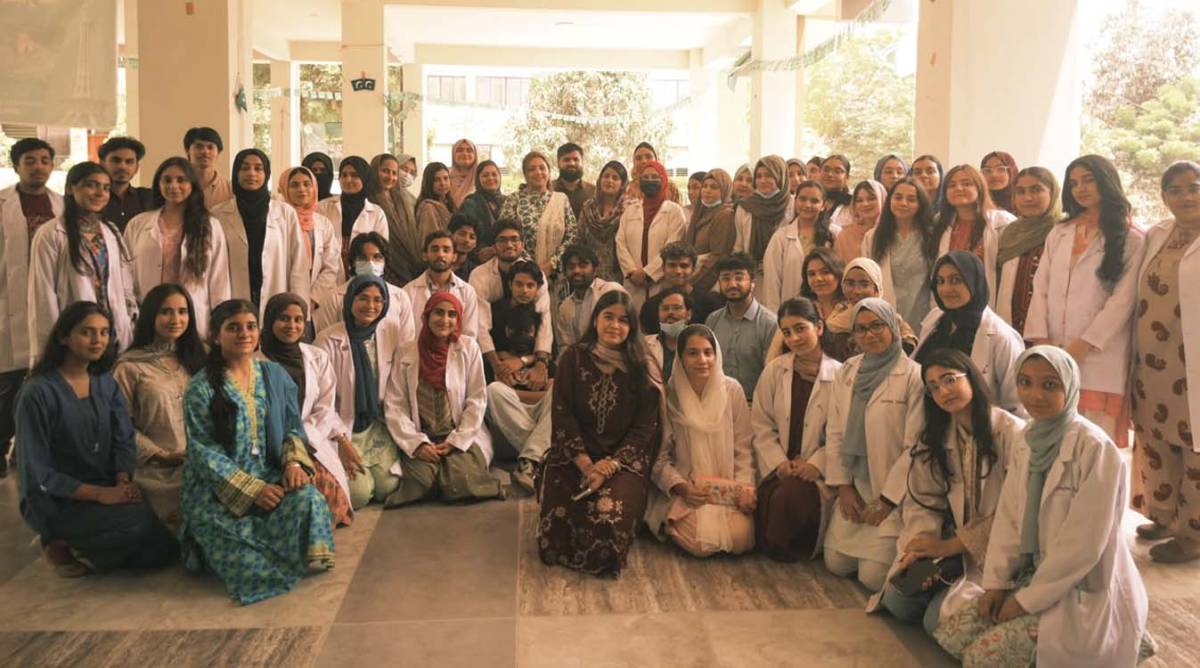
KARACHI: Oral healthcare does not begin when a patient sits in a dental chair. For children with special needs, maintaining good oral health can involve preventive care, appropriate communication, family and caregiver support, early assessment and an understanding of individual challenges long before treatment becomes necessary. That broader approach was at the centre of an Oral Health Awareness and Assessment Camp organized by the Department of Community and Preventive Dentistry, Liaquat College of Medicine & Dentistry (LCMD) at the Government Special Education & Rehabilitation Complex, Gulistan-e-Johar, Karachi. The initiative brought specialized oral-health outreach to approximately 280 students from different classes, including children with intellectual disabilities, physical challenges, and visual and hearing impairments. Rather than limiting the programme to clinical screening, the LCMD team combined oral-health assessment with preventive education for children, teachers and parents — highlighting why inclusive dentistry involves much more than treating teeth after a problem develops. 280 children receive supervised oral-health assessments The children underwent supervised oral-health assessments covering several key indicators of oral health. The dental team evaluated dental caries, OHI-S scores, gingival bleeding and oral hygiene practices, providing an opportunity to assess both existing oral-health concerns and everyday hygiene habits. The clinical assessments formed one part of a wider preventive approach designed to bring oral-health awareness directly into a special-education setting. For children with different intellectual, physical or sensory needs, access to appropriate oral-health guidance can require greater attention to communication, support and individual circumstances. Why oral health starts before treatment The programme placed prevention alongside assessment, emphasizing that oral health is shaped by what happens every day — not only during a dental appointment. Interactive and age-appropriate oral health education sessions were conducted for children, teachers and parents. The sessions focused on effective oral hygiene practices, preventive dental care, regular dental visits and the importance of early intervention in maintaining long-term oral health. The involvement of teachers and parents was particularly important because children often rely on the adults around them to establish, supervise or reinforce daily oral-hygiene routines. By extending education beyond the children being assessed, the initiative sought to make oral-health awareness part of the wider environment in which these students live and learn. Inclusive dentistry requires a wider approach Children with special needs can have different levels of ability to communicate, follow instructions, maintain oral hygiene independently or access conventional healthcare environments. That makes inclusive oral healthcare more than simply providing the same service to every patient. It requires dental professionals to understand individual needs, communicate appropriately, work with parents and caregivers and emphasize prevention and early intervention. The LCMD initiative demonstrated this broader model by combining clinical assessment with education and community outreach. Faculty, House Officers and BDS students join the effort The outreach initiative was led by Dr. Anjum Fahad, Head of the Department of Community and Preventive Dentistry, and coordinated by Dr. Hassaan Sadiq, Coordinator Outreach Program. The faculty team included Dr. Seema Imtiaz, Dr. Mahnoor Abid, Dr. Aisha Faisal, Dr. Shafaq Sohail, Dr. Daniyal Najeeb, Dr. Nida, Dr. Amna Tabassum Kiyani, Dr. Tooba Hameed and Dr. Ali. The team was supported by dedicated House Officers and enthusiastic second-year BDS students, bringing faculty supervision and dental-student participation into the community setting. For students preparing to enter the dental profession, exposure to diverse patient groups can provide an important practical understanding of the communication, adaptability and professional responsibility required for inclusive care. From community outreach to professional preparation The initiative therefore served two purposes: providing oral-health assessment and education to a vulnerable community while exposing future dental professionals to the realities of caring for patients with diverse needs. The experience placed preventive dentistry in a setting where students could see that oral healthcare is not solely about diagnosis and treatment. It also reinforced the role of dentists in health education, early intervention, community engagement and inclusive patient care. The people around a child matter too For children requiring additional support, maintaining oral hygiene may depend partly on parents, teachers and other caregivers. That makes oral-health education for adults an important part of prevention. The LCMD sessions addressed children, parents and teachers together, emphasizing practical oral-hygiene measures, preventive dental care and regular dental visits. The approach reflects a simple but important principle: improving oral health can require reaching not only the patient, but also the people who help that patient maintain healthy routines every day. A broader meaning of dental care The successful completion of the programme reflects Liaquat College of Medicine & Dentistry’s commitment to community engagement, inclusive healthcare, preventive dentistry and socially responsible dental education. Its significance lies not simply in the number of students assessed, but in the broader model of oral healthcare demonstrated through the initiative. Approximately 280 children received supervised oral-health assessments, while children, parents and teachers received preventive guidance. At the same time, House Officers and second-year BDS students gained practical exposure to serving a diverse patient population under faculty supervision. For LCMD, the initiative reinforces a vision of dental professionals equipped not only to treat oral disease, but also to prevent it, communicate with patients and caregivers, understand diverse needs and deliver care with compassion, competence and professional responsibility. And that is where the lesson of inclusive dentistry extends beyond the dental chair: better oral health begins with prevention, awareness, accessibility and care long before treatment is required. Stay connected with Dental News Pakistan pk/02-Sep-2026/lcmd-inclusive-dentistry-oral-health-special-needs-children” target=”_blank” rel=”nofollow noopener noreferrer”>Read full story on Dental News



GrowthPakistan brings you the latest news to keep an eye on Pakistan’s startup ecosystem. Business keeps you growing when you stay aware of your competitors' moves. GrowthPakistan offers Business, Tech, Global Tech, Global, Auto, and Startup News straight from industries all around the globe. This platform will help you identify upcoming opportunities not only in Pakistan but worldwide.
Email : growthpakistan@gmail.com
Whatsapp : +92320-9497079
© growthpakistan