


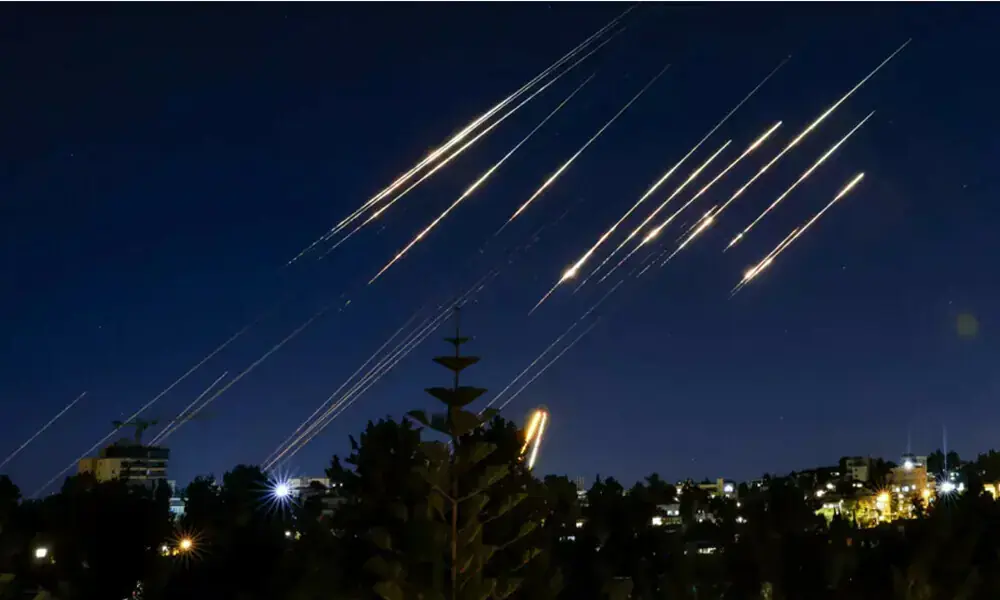
EDITORIAL: The growing opposition within the United States to a potential restart of war with Iran reflects a significant change in American political and social attitudes. What makes this moment particularly striking is not merely the scale of dissent, but its breadth. Resistance is no longer confined to traditional anti-war constituencies; it has spread across the party lines, ideological camps, and even within communities historically seen as supportive of assertive US foreign policy. Recent survey data showing that a majority of Republicans – 55 percent – oppose the war is especially telling. For decades, Republican voters have generally leaned towards hawkish positions. That this trend is now reversing suggests fatigue with prolonged conflicts – the “forever wars” that Donald Trump once promised to end – and growing scepticism about the strategic value of another military engagement in the Middle East. War-weariness, once associated primarily with liberal circles in the aftermath of Iraq and Afghanistan, has now become a bipartisan sentiment. Equally, noteworthy is the shift within segments of the American Jewish community. The Jewish People Policy Institute’s “Voice of the Jewish People Index” indicates a steady decline in support for the war, even among more engaged and institutionally connected Jewish Americans. Support has fallen from 68 percent to 60 percent within weeks, while opposition has risen from 26 percent to 34 percent over the same period. Though gradual, this change signals an important rethinking. Among self-identified “strong liberals” within the community, opposition has reached an overwhelming 71 percent, reflecting a broader ideological preference for diplomacy over military escalation. This convergence of opinion across diverse groups points to a fundamental reassessment of US interventionism, especially on Israel’s behalf. The legacy of past conflicts – costly in both human and economic terms – continues to shape public perceptions. Increasingly, Americans are questioning not only the immediate justification for war, its impact on the price of gas, but also its long-term consequences, including regional instability and unintended geopolitical fallout. Reflecting this broader unease is the declining approval rating of President Trump, now at an all-time low. As mid-term elections approach, this erosion of support could significantly weaken Republican prospects. Should the Democrats secure a majority in Congress, as widely anticipated, a shift in legislative priorities is likely. Historically, Democratic leadership has shown a greater inclination towards multilateral engagement and diplomatic solutions – though not without exceptions. A change in congressional balance could therefore restrain executive military initiatives and encourage renewed negotiations with Iran. The implications extend beyond the US. For regions such as South Asia, including Pakistan, shifts in Washington’s foreign policy can have tangible effects. A less militarized US approach towards Iran may help reduce regional tensions, potentially opening space for economic cooperation and diplomatic engagement. Conversely, policy uncertainty during a political transition could generate short-term instability. In essence, evolving American public opinion on the Iran conflict underscores a critical reality: democratic accountability helps shape foreign policy in meaningful ways. Leaders who ignore these signals risk not only electoral consequences but also serious strategic miscalculations. Copyright Business Recorder, 2026



GrowthPakistan brings you the latest news to keep an eye on Pakistan’s startup ecosystem. Business keeps you growing when you stay aware of your competitors' moves. GrowthPakistan offers Business, Tech, Global Tech, Global, Auto, and Startup News straight from industries all around the globe. This platform will help you identify upcoming opportunities not only in Pakistan but worldwide.
Email : growthpakistan@gmail.com
Whatsapp : +92320-9497079
© growthpakistan