


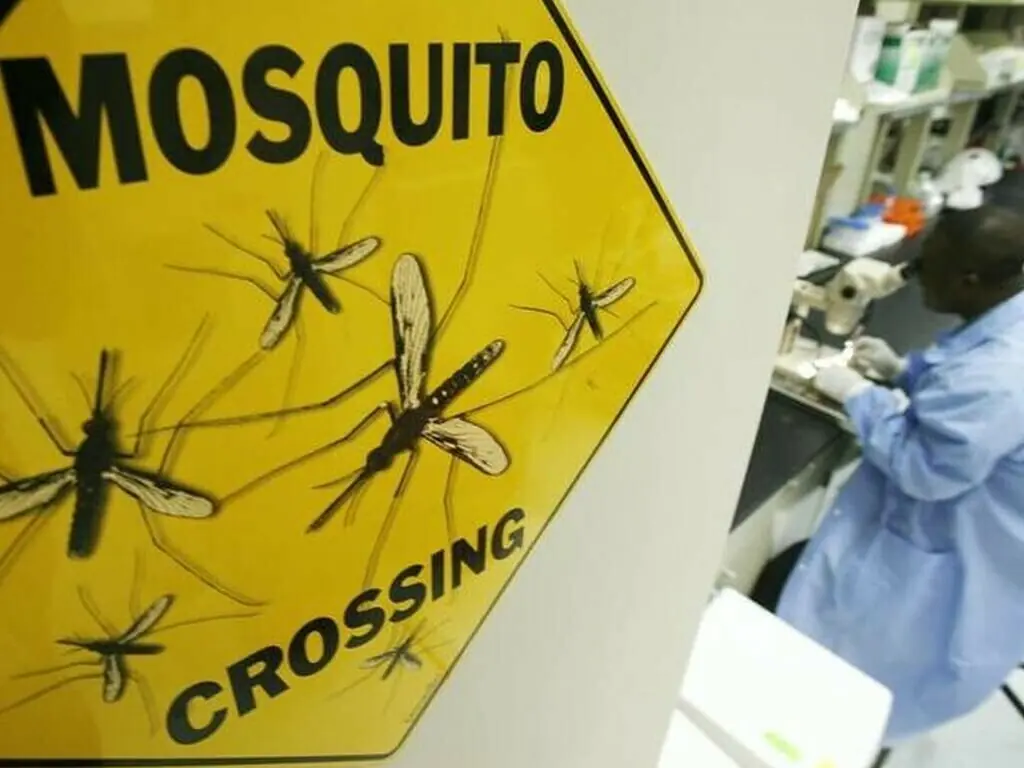
KARACHI: On the occasion of World Malaria Day, the Pakistan Medical Association (PMA) joins the global healthcare community in observing this year’s theme: “Driven to End Malaria: Now We Can. Now We Must. ” As the representative body of the medical fraternity in Pakistan, the PMA highlights that while advanced scientific tools including vaccines and next-generation bed nets are finally within reach, the “must” remains a matter of political will and public health urgency. Data from the World Health Organization (WHO) and recent provincial updates indicate that Pakistan remains a high-burden country, contributing to approximately 28% of cases in the Eastern Mediterranean Region. Malaria is a life-threatening disease spread by infected female Anopheles mosquitoes. While P. falciparum is the deadliest, P. vivax remains the dominant parasite in Pakistan. Symptoms typically appear within 10–15 days and include fever, chills, and headache. If left untreated, infections can progress to severe complications such as impaired consciousness, respiratory distress, and jaundice. The situation on the ground remains critical: • Pakistan reported an estimated 2. 6 to 3. 1 million cases in 2025. Despite stabilization after post-flood spikes, mortality remains high, with 1, 200 to 1, 500 deaths recorded last year, primarily among children under five and pregnant women. • Data from the Vector-Borne Diseases wing of the Sindh Health Department shows a lack of adequate measures, resulting in thousands of infections already this year. From January 1 to April 23, 2026, tests were conducted on 707, 724 individuals across the province, out of which 26, 059 were confirmed positive for malaria. • In just the first four months of 2026, Sindh has also reported 195 cases of Dengue and one fatality. Experts warn that a significant number of unreported cases cannot be ignored. The PMA highlights a historic opportunity to save lives through the global rollout of the RTS, S/AS01 and R21/Matrix-M vaccines. When used alongside traditional treatments and bed nets, these tools provide a clear path toward elimination. To align with the 2026 global mandate, the PMA issues the following demands to the government and health authorities: • Ensure the availability of WHO-recommended vaccines and a consistent supply of Artemisinin-based Combination Therapy (ACT) and rapid diagnostic kits (RDTs) at all Basic Health Units (BHUs) and Rural Health Centres (RHCs). • Scale up Indoor Residual Spraying (IRS) and distribute Long-Lasting Insecticidal Nets (LLINs) in high-burden districts before the upcoming monsoon. • Prioritize awareness regarding stagnant water management and early symptom recognition. • Implement a robust, data-driven reporting system to monitor and contain outbreaks in real-time. “We are at a crossroads in 2026, ” stated the PMA leadership. “The tools to defeat malaria exist, but they are useless if they do not reach the patients in the furthest corners of our provinces. We cannot allow malaria to remain a ‘disease of poverty’ when it is entirely preventable and curable. ” The PMA Centre reaffirms its commitment to ensuring no Pakistani life is lost to a preventable mosquito bite. Copyright Business Recorder, 2026



GrowthPakistan brings you the latest news to keep an eye on Pakistan’s startup ecosystem. Business keeps you growing when you stay aware of your competitors' moves. GrowthPakistan offers Business, Tech, Global Tech, Global, Auto, and Startup News straight from industries all around the globe. This platform will help you identify upcoming opportunities not only in Pakistan but worldwide.
Email : growthpakistan@gmail.com
Whatsapp : +92320-9497079
© growthpakistan