


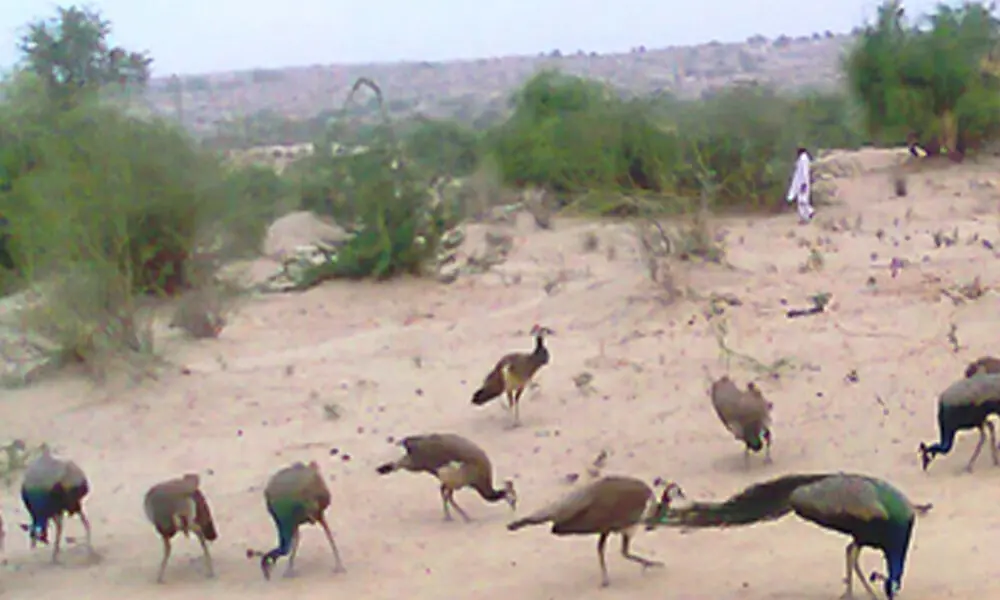
Reports of rampant poaching and indiscriminate hunting in Sindh’s Thar Desert are not merely distressing—they are deeply alarming. This unfolding tragedy is not just the concern of the people of Thar; it is a matter that should unsettle the conscience of the entire province and beyond. For the inhabitants of Thar, wildlife is not an external entity—it is woven into their moral, cultural, and ecological fabric. The loss of wildlife, for them, is nothing less than a loss of life itself. What makes this crisis even more disturbing is the organized nature of this destruction. Influential hunters, often operating under the guise of privilege and power, are engaged in relentless slaughter, aided by local elites and facilitated by cunning intermediaries. More troubling still are credible concerns that elements within institutions meant to safeguard this natural heritage have become complicit in its erosion. Against such formidable forces, the ordinary people of Thar have risen with remarkable courage—resisting, exposing, and striving to protect what remains of their fragile ecosystem. These voices from the desert—firm, fearless, and morally grounded—deserve recognition and amplification. By bringing to light the unchecked excesses of poachers and their patrons, they are performing a service of immense public value. Their message must serve as a wake-up call for all those who still believe that nature is not a commodity to be plundered, but a trust to be preserved. Thar, often dismissed as a barren wasteland, is in truth a living repository of biodiversity and cultural richness. Beneath its austere exterior lies a delicate ecological balance, nurtured over centuries. Today, however, this balance stands on the brink of collapse. Ruthless hunting—sometimes driven by foreign interests and enabled by local complicity—is decimating species at an alarming rate. The tragedy is compounded when those entrusted with protection turn into silent spectators, or worse, willing participants. The desert is home to a remarkable array of life: graceful peacocks, nimble chinkaras, shy desert foxes, elegant deer, resilient nilgai, and countless species of birds, reptiles, and small mammals. Flamingos visit its wetlands, partridges call from its scrublands, and even its seemingly harsh sands shelter unique lizards and serpents adapted to survive extremes. These creatures are not mere inhabitants; they are integral to the ecological rhythm of Thar. Their disappearance would unravel a balance that sustains not only wildlife but human life as well. It is both ironic and deeply inspiring that the true custodians of this natural heritage are not those in positions of authority, but the impoverished and resilient people of Thar. Burdened by drought, deprivation, and neglect, they nonetheless display an extraordinary sense of stewardship. Their bond with the land is not transactional—it is spiritual. They do not see themselves as owners of the desert, but as part of its living continuum. While institutions falter and elites exploit, these ordinary men and women stand as the last line of defense. My own visit to Thar remains etched in memory as a revelation—one that shattered every preconceived notion of deserts as lifeless expanses. I witnessed the desert after the rains, and what unfolded before my eyes was nothing short of a miracle. The once-parched earth transformed into a vibrant tapestry of life. Tender green shoots pierced through the sands, wildflowers bloomed in quiet defiance, and herbs and mushrooms spread like nature’s delicate embroidery across the land. The air itself seemed alive. Birds filled the skies with song, their melodies echoing across the dunes like a celebration of renewal. Peacocks, in resplendent display, danced with an almost mystical grace—each movement a testament to nature’s artistry. Herds of deer moved lightly across the terrain, their presence adding a sense of serenity and balance. The golden dunes, kissed by the setting sun, shifted in hues of amber, orange, and deep violet, creating a spectacle that no canvas could fully capture. As twilight descended, the desert did not fall silent—it transformed. The cooling sands whispered ancient stories, the wind carried a soothing rhythm, and the vast sky, studded with countless stars, seemed to embrace the earth below. In that moment, it became clear that Thar is not a void—it is a living, breathing entity, pulsating with resilience, beauty, and quiet strength. Life here is never absent; it merely waits for the right moment to reveal itself. Such rare beauty and ecological richness must not be abandoned to greed and indifference. The destruction of Thar’s wildlife is not merely an environmental concern—it is an assault on climate balance, cultural heritage, and the rights of future generations. It reflects a dangerous mindset that views nature as expendable, rather than essential. Deserts, in fact, are among the most misunderstood ecosystems on Earth. Far from being wastelands, they are dynamic and vital, covering nearly one-third of the planet’s land surface. They regulate global temperatures, influence weather patterns, and contribute significantly to ecological stability. Desert dust, rich in minerals, travels across continents, nourishing distant ecosystems. The flora and fauna of these regions exhibit extraordinary adaptations, offering insights into resilience and survival under extreme conditions. Moreover, deserts are repositories of immense natural wealth. They hold significant deposits of minerals such as copper and lithium—resources crucial for modern technology and renewable energy. Their plant life, including dates, figs, and medicinal herbs, sustains millions of people. Many desert species have yielded compounds used in life-saving medicines, underscoring their scientific and economic value. In essence, deserts are not empty—they are profound expressions of nature’s depth, complexity, and hidden potential. Against this backdrop, the ongoing destruction in Thar appears not only reckless but profoundly short-sighted. It is a betrayal of both nature and humanity. The need of the hour is not rhetorical concern but decisive action. Wildlife protection laws must be enforced with uncompromising rigour. Those involved in illegal hunting—regardless of status or influence—must be held accountable. Institutional reforms are essential to eliminating corruption and restore public trust. Equally important is the empowerment of local communities. The people of Thar, who have long served as guardians of this land, must be supported and included in conservation efforts. Their knowledge, commitment, and moral clarity are invaluable assets in the struggle to preserve this ecosystem. Thar does not ask for sympathy—it demands justice. It calls for preservation, respect, and responsibility. If we fail to act today, we will not only lose a unique ecological treasure but also stand guilty of silencing one of nature’s most resilient and poetic expressions. Thar is not merely a desert. It is a living miracle—a testament to endurance, beauty, and the delicate balance of life. To protect it is not just an environmental obligation; it is a moral imperative. Copyright Business Recorder, 2026



GrowthPakistan brings you the latest news to keep an eye on Pakistan’s startup ecosystem. Business keeps you growing when you stay aware of your competitors' moves. GrowthPakistan offers Business, Tech, Global Tech, Global, Auto, and Startup News straight from industries all around the globe. This platform will help you identify upcoming opportunities not only in Pakistan but worldwide.
Email : growthpakistan@gmail.com
Whatsapp : +92320-9497079
© growthpakistan