


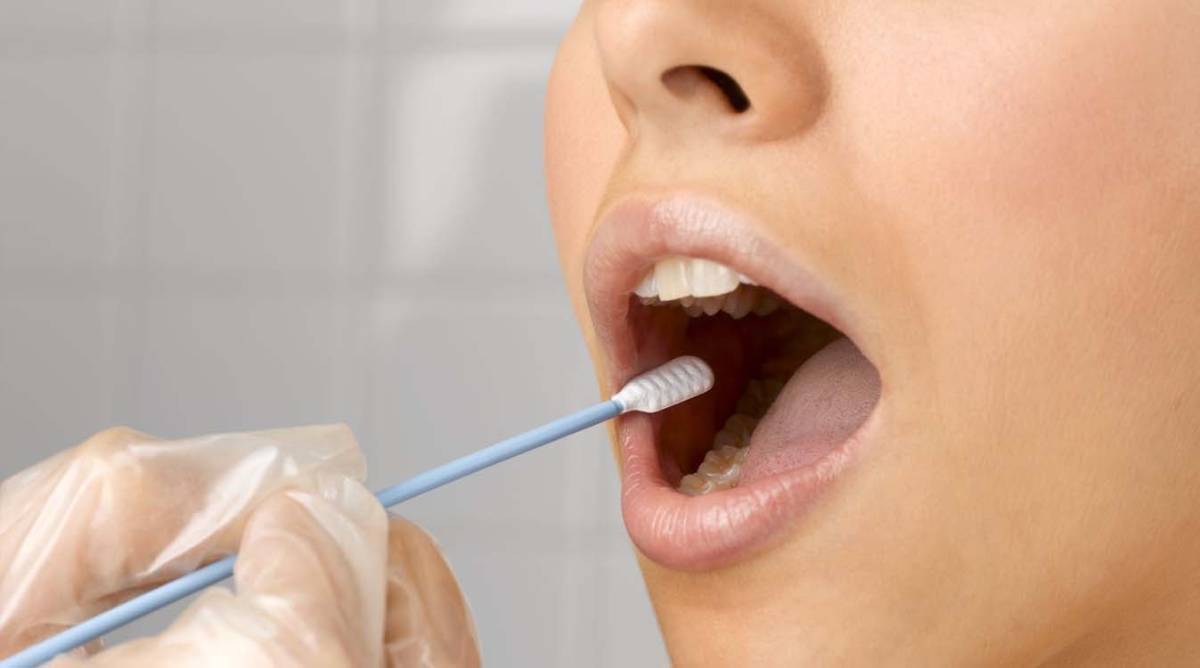
CHICAGO: The American Dental Association (ADA), through its Living Guideline Program, has opened a critical window for global feedback on its latest draft recommendations exploring the use of salivary diagnostic tests in oral cancer detection. While this may sound technical, the implications are far-reaching: a future where a simple saliva sample could help determine whether a patient needs a biopsy. At the center of this development is a growing scientific push toward less invasive, more accessible diagnostic pathways. Traditionally, identifying potentially malignant oral disorders has relied heavily on clinical examination followed by biopsy—a gold standard, but one that is resource-intensive and often delayed. The ADA’s latest recommendations aim to examine whether salivary biomarkers can serve as an early decision-making tool, helping clinicians identify high-risk cases sooner and with greater precision. This is not the ADA’s first step in this direction. The current consultation represents the fourth installment in an evolving series of evidence-informed recommendations, following earlier work on cytology, vital staining, and light-based diagnostic adjuncts. Together, these efforts signal a broader rethinking of how oral cancer screening is approached—moving from reactive detection toward proactive, evidence-driven risk assessment. What makes this moment particularly significant is the methodology behind it. The Living Guideline Program, launched in 2025 in collaboration with the University of Pennsylvania School of Dental Medicine, is designed to continuously update clinical guidance as new evidence emerges. Unlike traditional guidelines that may remain static for years, this “living” model allows for faster integration of scientific advances into clinical decision-making. And that is where the urgency lies. Oral cancer continues to be a major global health challenge, often diagnosed at advanced stages when outcomes are significantly poorer. In regions like South Asia, where risk factors such as tobacco use and late presentation are prevalent, the need for earlier, more accessible detection tools is especially critical. Salivary diagnostics—if validated and implemented effectively—could offer a scalable solution, particularly in resource-constrained settings. The ADA is now actively inviting dentists, healthcare professionals, researchers, patients, and institutions to weigh in. Stakeholders can review the draft recommendations, participate in a virtual listening session, and submit feedback before the May 1 deadline. Notably, the feedback process is not merely procedural—it is integral. The final recommendations, expected later this year, will directly reflect the insights and critiques gathered during this phase. This open-call approach underscores a larger shift in global healthcare governance: the recognition that clinical guidelines must be shaped not just by data, but by diverse, real-world perspectives. For practitioners, the message is clear—this is more than a guideline update; it is an opportunity to influence the future of oral cancer diagnostics. For patients, it represents cautious optimism that earlier detection may soon become simpler, faster, and more accessible. And for the broader healthcare ecosystem, it raises a compelling question: if a drop of saliva can help change the trajectory of a life-threatening disease, how quickly can systems adapt to make that possibility a standard of care? With the consultation window closing soon, the next phase will determine whether salivary diagnostics remain a promising concept—or become a clinical reality. Stay informed, stay ahead pk/22-Apr-2026/ada-salivary-test-oral-cancer-guidelines-2026″ target=”_blank” rel=”nofollow noopener noreferrer”>Read full story on Dental News



GrowthPakistan brings you the latest news to keep an eye on Pakistan’s startup ecosystem. Business keeps you growing when you stay aware of your competitors' moves. GrowthPakistan offers Business, Tech, Global Tech, Global, Auto, and Startup News straight from industries all around the globe. This platform will help you identify upcoming opportunities not only in Pakistan but worldwide.
Email : growthpakistan@gmail.com
Whatsapp : +92320-9497079
© growthpakistan