


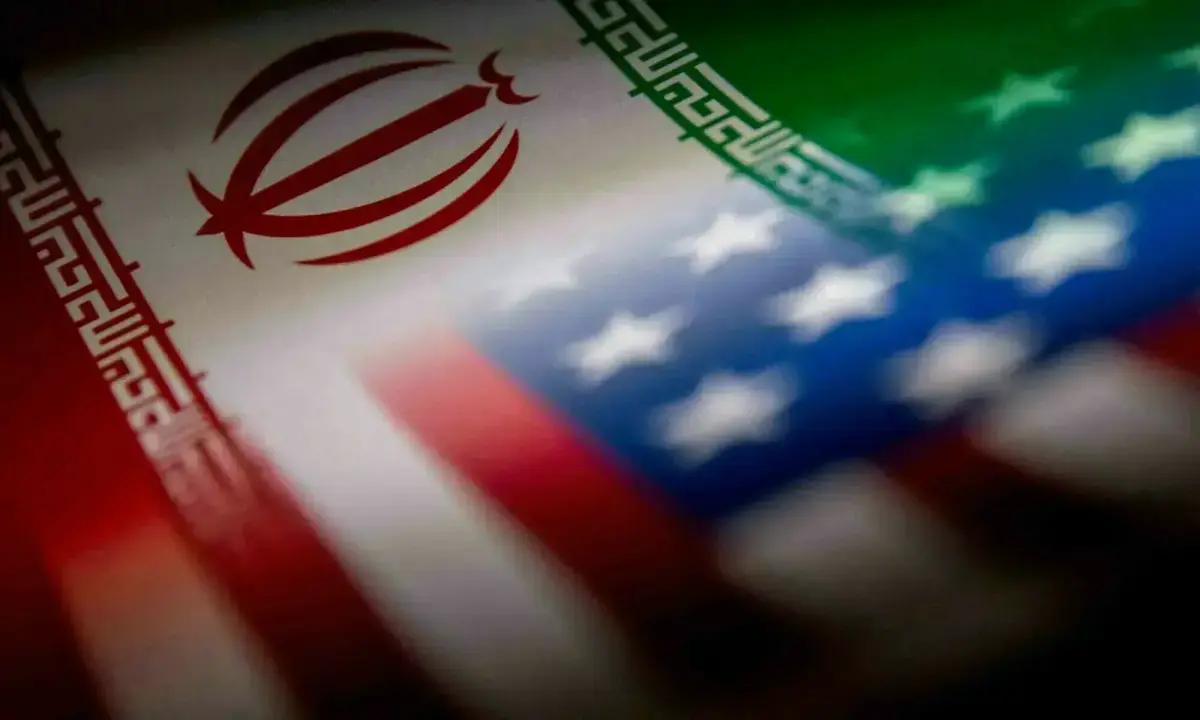
• Efforts alongside Egypt and Turkiye seen as key to pausing threatened US strikes on Iran’s energy infrastructure • Administration sources say diplomatic efforts saw Islamabad leveraging its position as ‘net regional stabiliser’ • PM speaks to Pezeshkian, Dar calls Araghchi; White House ‘kept in the loop’ • Islamabad floated as ‘possible venue’ for talks ISLAMABAD: On the 24th day of the US-Israel war against Iran, Pakistan took centre stage in a coordinated diplomatic push alongside Turkiye and Egypt, as the trio appeared instrumental in securing a five-day pause of US plans to strike Iranian energy and power infrastructure, officials said, describing the effort as going beyond routine crisis management. US President Donald Trump had publicly announced the ‘delay’ on Monday, saying Washington had held “very good and productive conversations” with Tehran over the previous couple of days that could lead to a “complete and total resolution” of hostilities. The pause, however, remains conditional and limited to strikes on Iranian power plants and major energy assets, with fighting continuing across multiple fronts. A source in the administration familiar with the backchannel described the de-escalation effort as substantive rather than symbolic. “Turkiye, Egypt and Pakistan are moving beyond rhetoric, proving that while many issue statements, these countries are walking the talk to bridge the gap between Washington and Tehran, ” the source said. Reporting by the Financial Times and Axios suggested that senior officials from the three countries separately engaged with US Special Envoy Steve Witkoff and Iranian Foreign Minister Abbas Araghchi, relaying positions between the two sides. The exchanges were indirect, with no direct contact reported between Washington and Tehran. “The strategic synergy between Ankara, Cairo and Islamabad has established a vital diplomatic conduit, demonstrating that regional cooperation is the most effective antidote to escalation, ” the source said, adding that the process was “more than just crisis management” and was “making tangible progress toward resolving outstanding issues”. Pakistan has been acting as a go-between for some time, delivering US messages to Tehran and back, but officials said its diplomatic outreach had intensified in recent days as the conflict edged closer to a major escalation over energy infrastructure and the Strait of Hormuz. “Pakistan is reaffirming its role as a ‘net regional stabiliser’, leveraging its unique diplomatic position to shift the focus from confrontation toward meaningful dialogue, ” the source said. Diplomatic push The scope of the backchannel discussions went beyond an immediate pause. Officials said the exchanges focused on de-escalation, reopening of the Strait of Hormuz, and the parameters of a broader end to the war. Iranian Foreign Ministry Spokesman Esmail Baghaei, while confirming that messages had been conveyed in recent days through several “friendly countries”, said the Iranian response was centered on its “principled positions”. Publicly, however Iran has denied any direct or indirect negotiation with the Trump administration or Witkoff, framing the US announcement as an attempt to influence markets. Tehran has maintained that any resolution must include guarantees against future US or Israeli attacks, reparations for damage, recognition of its rights, a comprehensive regional arrangement, and a framework for navigation through Strait of Hormuz. Despite the Iranian denials about negotiations, US officials maintain that the indirect messaging helped create the conditions for the pause. “Through active back channel diplomacy involving Steve Witkoff and Abbas Araghchi, these three nations are showing that quiet communication is often the most direct path to global peace, ” the source said. In Islamabad, officials are portraying the development as validation of Pakistan’s diplomatic approach. The PM Office said that Prime Minister Shehbaz Sharif, in a telephone call with Iranian President Masoud Pezeshkian, had conveyed concern over the “dangerous ongoing hostilities” and stressed “the urgent need to work collectively for de-escalation and a return to dialogue and diplomacy”. “He stressed upon the critical importance of unity in the ranks of the Ummah, that was required more than ever before, ” the statement said, adding that Pakistan would “continue to play a constructive role in facilitating peace in the region”. The call, which was publicly announced as an Eid and Nowruz greeting call, came as engagement with regional and international interlocutors moved into high gear. Meanwhile, Deputy Prime Minister and Foreign Minister Ishaq Dar also spoke to his Iranian counterpart Abbas Araghchi, where he emphasised the importance of dialogue and diplomacy for peace, security, and stability in the region and beyond. In addition, according to the Financial Times, US President Donald Trump also spoke to Chief of Defence Forces Field Marshal Asim Munir. The conversation reportedly happened around the time he announced that he was deferring the strikes on Iran. However, there was no official confirmation from ISPR about FT’s claim. Venue for talks? Officials said the outreach reflected a calibrated effort to maintain channels with both Tehran and Washington while coordinating closely with Ankara and Cairo. “As international outlets report progress, the diplomatic leadership of Turkiye, Egypt and Pakistan offers the world a roadmap for steering away from conflict and toward a safer future, ” the source said. Some media outlets, including Reuters and Axios, suggested that Islamabad could serve as a venue for potential direct talks between US and Iranian representatives in the coming days, a claim that gained traction because of Trump’s hint at further discussions in the next few days. However, there has been no official confirmation from Pakistan, the US or Iran regarding any such arrangement. “If the parties desire, Islamabad is always willing to host talks, ” Foreign Office Spokesman Tahir Andrabi told Dawn. He recalled that Pakistan had consistently advocated for dialogue and diplomacy to promote peace and stability in the region. An Iranian official described the reports about Pakistan hosting talks as “speculative”. Syed Irfan Raza in Islamabad also contributed to this report Published in Dawn, March 24th, 2026



GrowthPakistan brings you the latest news to keep an eye on Pakistan’s startup ecosystem. Business keeps you growing when you stay aware of your competitors' moves. GrowthPakistan offers Business, Tech, Global Tech, Global, Auto, and Startup News straight from industries all around the globe. This platform will help you identify upcoming opportunities not only in Pakistan but worldwide.
Email : growthpakistan@gmail.com
Whatsapp : +92320-9497079
© growthpakistan