


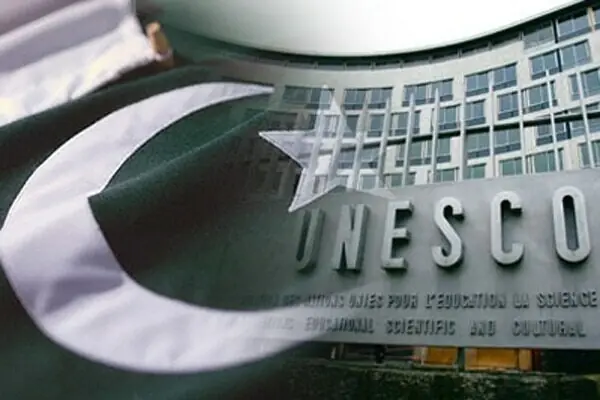
EDITORIAL: The possible inclusion of the Taxila archaeological complex on UNESCO’s ‘List of World Heritage in Danger’ is a sobering reminder of how fragile our shared heritage truly is. Inscribed as a UNESCO World Heritage Site in 1980, Taxila is not a single monument but a rich tapestry of 18 locations, including Mohra Moradu and Sirkap, each narrating the story of civilisational evolution in the subcontinent from the Neolithic age through the 5th century CE. Any threat to its authenticity is, therefore, a threat to history itself. At the centre of the controversy are allegations that restoration efforts by the Punjab Archaeology Department may have compromised the integrity of two key sites. The reported use of cement, the alteration of original walls, and even the construction of new structures, if proven, would constitute a serious violation of conservation principles established by UNESCO. These principles emphasise minimal intervention, reversibility, and, above all, respect for original materials and techniques. Archaeological heritage is not meant to be “renewed” in the modern sense; it is meant to be preserved in its authentic, albeit fragile, state. Equally disquieting is the absence of a timely response from the authorities. Acting on a third-party complaint submitted to Pakistan’s delegate to UNESCO, the Department of Archaeology and Museums (DOAM) in Islamabad warned its provincial counterpart that inaction could invite international censure. A delay of nearly a month in responding to such serious concerns does little to inspire confidence in the custodians of these invaluable sites. Heritage management demands transparency, accountability, and, above all, urgency. However, the defence offered by provincial authorities cannot be dismissed outright. The argument that these sites require immediate intervention to prevent further degradation is not without merit. Exposure to weather, pollution, and human activity inevitably takes a toll on ancient structures. Moreover, the need to facilitate visitors—including tourists and monks—through improved infrastructure is understandable. Heritage sites are not museums frozen in time; they are living spaces that must balance preservation with accessibility. It is precisely here that the challenge lies. Development and conservation are not mutually exclusive, but they must be carefully calibrated. The introduction of modern materials, such as cement, risks erasing the very characteristics that make these sites historically significant. Once authenticity is compromised, it cannot be recovered—at least not in any meaningful sense. This is why an independent and impartial investigation is essential. Such an inquiry must move beyond administrative assurances and examine evidence on the ground, guided by international best practices. If violations have occurred, corrective measures must be taken swiftly and those responsible held accountable. If the allegations prove unfounded, a transparent clarification would go a long way in restoring public trust. The issue speaks to a broader challenge facing heritage conservation in Pakistan: the need for stronger institutional capacity, stricter adherence to international standards, and a deeper appreciation of the value of authenticity. Placement on the ‘Danger List’ would be an embarrassment, and also a call to action. The question now is whether we will act before, or after, that line is crossed. Copyright Business Recorder, 2026



GrowthPakistan brings you the latest news to keep an eye on Pakistan’s startup ecosystem. Business keeps you growing when you stay aware of your competitors' moves. GrowthPakistan offers Business, Tech, Global Tech, Global, Auto, and Startup News straight from industries all around the globe. This platform will help you identify upcoming opportunities not only in Pakistan but worldwide.
Email : growthpakistan@gmail.com
Whatsapp : +92320-9497079
© growthpakistan