

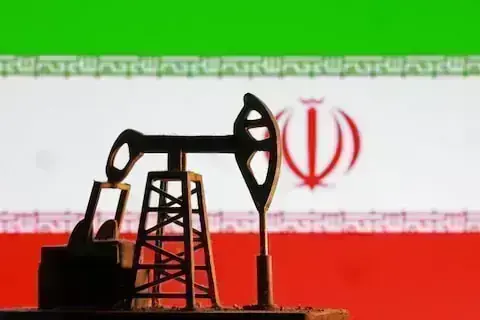
LONDON: Global oil and gas prices jumped on Tuesday as the US-Israeli war on Iran halted energy exports from the Middle East, with Tehran attacking ships and energy facilities, closing navigation in the Gulf and forcing production stoppages from Qatar to Iraq.Oil prices soared about 6percent to their highest since 2024 on Tuesday, rising for a third session as the US-Israel war against Iran widened, disrupting energy shipments from the Middle East and stoking fears of a prolonged conflict.Brent futures rose USD4.70, or 6.1 percent, to USD82.44 a barrel at 12:38 p.m. EST (1738 GMT). US West Texas Intermediate rose USD4.43, or 6.2 percent, to USD75.66. Brent was on track for its highest close since July 2024 and WTI for its highest since January 2025.Sugar, fertiliser and soy prices have all risen too. The conflict risks triggering a renewed spike in inflation that could choke off economic recovery in Europe and Asia if the war is prolonged in a region that accounts for just under a third of global oil production and almost a fifth of natural gas. Iraq, OPEC’s second-largest producer, on Tuesday said it may be forced to cut production by more than three million barrels per day in a few days if oil tankers cannot move freely to loading points, according to two Iraqi oil officials. As of Tuesday, Iraq has decreased production from the Rumaila oil field by 700,000 bpd and cut 460,000 bpd from the West Qurna 2 field, the officials said.Shipping at a standstill, oil and gas output slashedTraffic through the Strait of Hormuz was closed for a fourth day after Iran attacked five ships, choking off a key artery accounting for about 20 percent of global oil and LNG supply.Crude tanker transits through the strait fell to four vessels on March 1, the day after hostilities broke out, versus an average of 24 per day since January, according to Vortexa vessel-tracking data. Three of the four were Iran-flagged. Hundreds of tankers loaded with oil and LNG are stranded near big hubs, such as the United Arab Emirates’ port of Fujairah, unable to reach customers in Asia, Europe and elsewhere. Some companies are trying to find alternative routes. Saudi oil giant Aramco 2223.SE is attempting to reroute some of its crude to its western Red Sea port of Yanbu, but sources, including buyers, traders and analysts, said Aramco’s east-west pipeline had limited capacity and could become a target of attacks by Iran’s allies.



GrowthPakistan brings you the latest news to keep an eye on Pakistan’s startup ecosystem. Business keeps you growing when you stay aware of your competitors' moves. GrowthPakistan offers Business, Tech, Global Tech, Global, Auto, and Startup News straight from industries all around the globe. This platform will help you identify upcoming opportunities not only in Pakistan but worldwide.
Email : growthpakistab@gmail.com
Whatsapp : +92320-9497079
© growthpakistan