


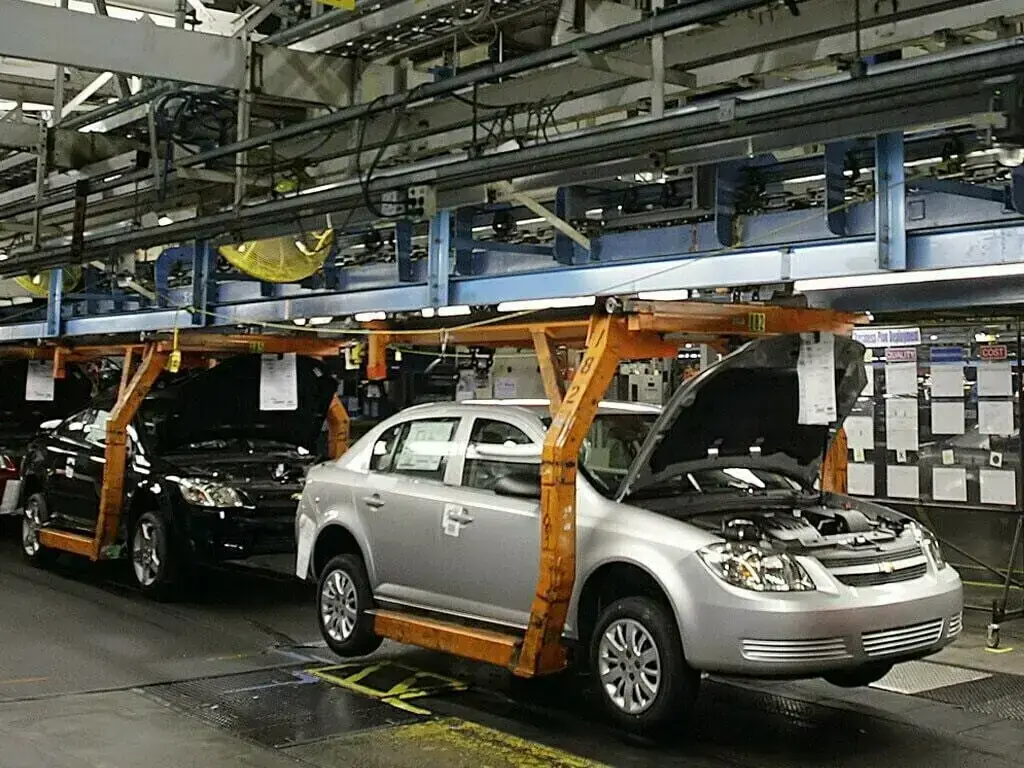
Automobile sales in the first eight months of the fiscal year are bouncing back recording a 43 percent increase year on year. A combination of retreating interest rates and a flurry of new model launches have successfully lured buyers back to showrooms. However, this surge in showroom traffic fuelled by cheaper credit is now colliding with a potentially worsening external account. The recovery is increasingly bifurcated. At one end, the “squeezed middle” of the sedan market is seeing a dramatic shift in power. Toyota’s Corolla and Yaris, alongside Honda’s City and Civic, have posted annual gains of 76 percent and 50 percent respectively, but their combined volume is still a far cry from the days when they defined the aspirational upper middle class. Meanwhile, Suzuki is focusing on its top sellers as the market gravitates toward the extremes. The entire middle space is being absorbed by Suzuki Alto which is absorbing 38 percent of the passenger car market and the newly introduced Suzuki Everywhich has quickly replaced Bolan and found an equal footing. On the premium end of the spectrum, the SUV and crossover segment continues to rewrite the industry’s profit logic. SUV volumes jumped 42 percent now accounting for nearly a quarter of all light vehicle sales. Sazgar’s Haval lineup has emerged as a powerhouse in this category, with sales growing 54 percent. The allure for manufacturers is higher margins and a customer base less sensitive to the price of entry. However, this segment now faces a formidable headwind in the form of global energy volatility. As of late March 2026, Brent crude surged past $100 per barreldriven by escalating tensions in the Middle East and disruptions in the Strait of Hormuz. This global spike has hit Pakistani pumps hard, with petrol prices hovering around Rs321 per litre and high-octane fuel—the lifeblood of many premium SUVs—soaring toward Rs535 per litre. For a buyer of a conventional petrol SUV, the running cost has climbed to an eye-watering Rs32 to Rs50 per kilometre. This energy shock might become that push necessary for the electrification pivot. Sales of electric vehicles (EVs) grew 59 percent in the eight-month period, and the recent entry of BYD into local assembly, backed by significant investments in infrastructure and conducive government policies indicate that electrification may be the long-run solution for energy and fuel efficiency. Close to 1. 26 million motorcycles were sold in 8MFY26, rising by 31 percent year on year. This signals a desperate need for low-cost mobility but also a great opportunity for electric conversion. The macroeconomic pressure of the current recovery in volumes cannot be ignored. The growing cost of oil imports as well as CKD importswill once again begin to strain Pakistan’s foreign exchange reserves and banking limits for letters of credit. While domestic demand is genuine and strong, this may prove to be a race against time. If global crude prices continue their trek toward $120 per barrel, the policy choice will inevitably shift to managing a balance of payment emergency likely cooling the showroom fever through aggressive import curbs orforced limits on fuel usage.



GrowthPakistan brings you the latest news to keep an eye on Pakistan’s startup ecosystem. Business keeps you growing when you stay aware of your competitors' moves. GrowthPakistan offers Business, Tech, Global Tech, Global, Auto, and Startup News straight from industries all around the globe. This platform will help you identify upcoming opportunities not only in Pakistan but worldwide.
Email : growthpakistan@gmail.com
Whatsapp : +92320-9497079
© growthpakistan