


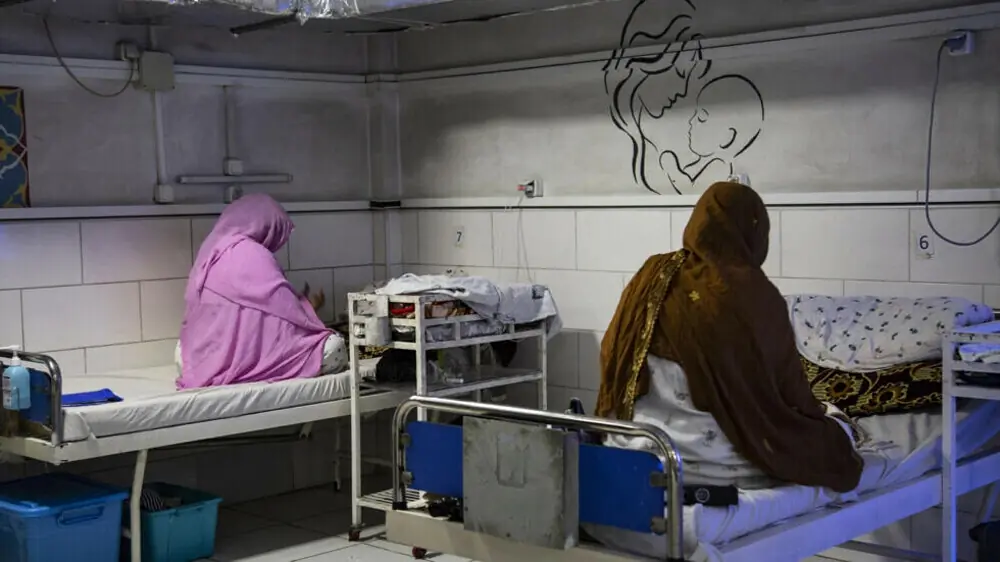
EDITORIAL: The findings of the WOMAN-2 study, presented in the report “The Missing Evidence: Anaemia, Postpartum Bleeding and Maternal Death”, should serve as a wake-up call for policymakers, public health experts and governments across the developing world, particularly in Pakistan. For decades, postpartum haemorrhage (PPH) has been widely regarded as the leading cause of maternal mortality. However, this landmark multi-country study, coordinated by the London School of Hygiene & Tropical Medicine, challenges that assumption and presents compelling evidence that anaemia may be the underlying factor responsible for a substantial proportion of maternal deaths worldwide. The significance of the study lies not only in its scale but also in its relevance to countries where maternal mortality remains stubbornly high. With more than 11, 000 of the 15, 000 participants drawn from Pakistan, the findings provide critical insight into a public health crisis that has long been neglected. The conclusion that anaemia may account for most maternal deaths globally demands a fundamental reassessment of maternal health priorities. Anaemia weakens a woman’s ability to withstand even normal blood loss during childbirth. Consequently, bleeding that would be manageable in a healthy woman can become life-threatening for one who is severely anaemic. This helps explain why PPH is rarely fatal in high-income countries but continues to claim thousands of lives in South Asia and sub-Saharan Africa. The study highlights an uncomfortable truth: addressing haemorrhage without tackling the underlying burden of anaemia is akin to treating symptoms while ignoring the disease itself. Pakistan’s situation is particularly alarming. A 2024 local study suggests that up to 70 percent of pregnant women in the country suffer from anaemia. Poverty, malnutrition, unsafe drinking water, parasitic infections, repeated pregnancies and inadequate reproductive healthcare all contribute to this widespread condition. The consequences extend beyond maternal mortality. The study links anaemia to premature births, stillbirths, neonatal deaths and long-term health complications for both mothers and infants. The finding that 17 per cent of women with severe anaemia experienced stillbirths underscores the urgency of intervention. Addressing anaemia requires a comprehensive and sustained response. Iron and folic acid supplementation should be made accessible to all women of reproductive age. Nutritional awareness campaigns, de-worming programmes, improved sanitation and access to safe drinking water are equally essential. Family planning services must be strengthened to reduce the health risks associated with frequent pregnancies. At the same time, healthcare providers must reassess practices such as routine episiotomy, which the study suggests may worsen maternal anaemia without offering significant benefits. The evidence supporting the use of Tranexamic Acid (TXA) at the time of delivery also deserves serious consideration, as its wider use could help reduce maternal deaths. Ultimately, the WOMAN-2 study reminds us that maternal mortality is not merely a medical issue but also a reflection of broader social and economic inequalities. Saving mothers’ lives requires more than emergency obstetric care; it demands sustained investment in women’s nutrition, education and healthcare. The findings should prompt governments to place anaemia prevention and treatment at the centre of maternal health strategies. If policymakers act on this evidence, countless mothers and newborns could be given a far better chance of survival and a healthier future. Copyright Business Recorder, 2026



GrowthPakistan brings you the latest news to keep an eye on Pakistan’s startup ecosystem. Business keeps you growing when you stay aware of your competitors' moves. GrowthPakistan offers Business, Tech, Global Tech, Global, Auto, and Startup News straight from industries all around the globe. This platform will help you identify upcoming opportunities not only in Pakistan but worldwide.
Email : growthpakistan@gmail.com
Whatsapp : +92320-9497079
© growthpakistan