


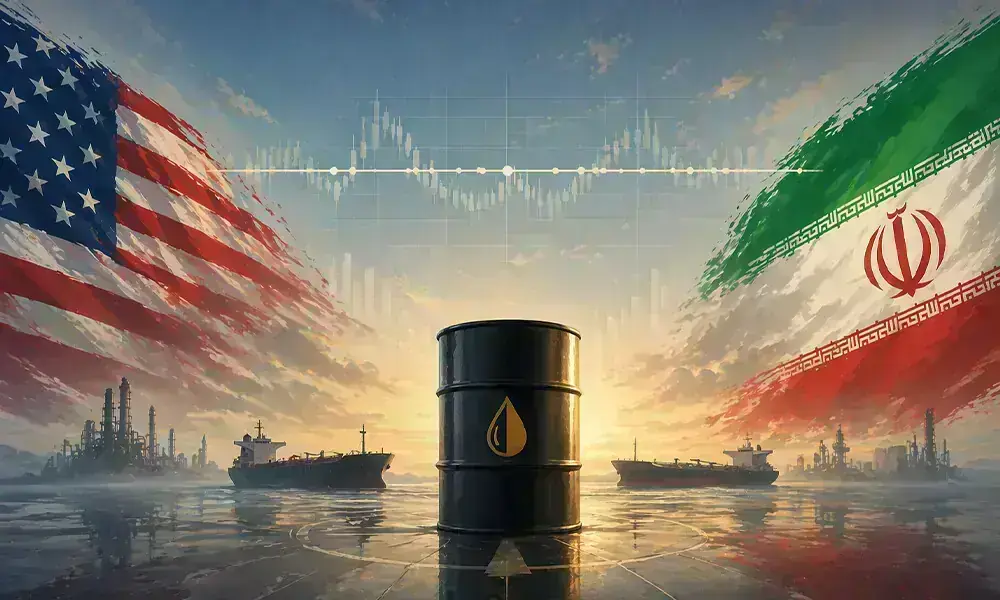
NEW YORK: Oil prices edged up about 2 percent on Thursday after a cargo vessel was hit by an unknown projectile near Oman, sparking worries about how long it could take for oil flows in the Middle East to return to levels seen before the US-Israeli war on Iran. After the market closed on Thursday, two US officials told Reuters that Iran fired on the cargo ship that had reported being hit by a projectile as it attempted to pass through the Strait of Hormuz. Iranian authorities said the security of vessels passing outside designated Hormuz routes is not guaranteed. Brent futures rose USD 1. 52, or 2. 1 percent, to settle at USD 75. 26 a barrel, while US West Texas Intermediate crude rose USD 1. 58, or 2. 3 percent, to settle at USD 71. 92. On Wednesday, both crude benchmarks closed at their lowest since February 27, the day before the war began as crude shipments through the strait rose to their highest since the start of the war. READ MORE: Oil prices edge up on new supply worries after cargo ship hit near Oman Before the war, about 20 percent of world oil supplies passed through the Strait of Hormuz between Iran and Oman. But on Thursday, the United Nations’ International Maritime Organization paused its programme to shepherd ships and seafarers through the Strait of Hormuz after the cargo ship reported a suspected attack, reigniting fears over a preliminary deal to end the Iran war. “Storage tanks across the Gulf are around 50 percent to 60 percent full, so if tanker traffic through the strait does not pick up in the near term, producers will need to throttle back output, and the full recovery moves into next year, ” analysts at consultancy Rystad Energy said in a report. The agreement between the US and Iran to end the war has allowed the resumption of traffic through the strait, which Iran had effectively blockaded. US Secretary of State Marco Rubio told Gulf allies on Thursday that any deal with Iran would take their interests into account, as he wrapped up a Middle East trip aimed at winning over regional partners with deep reservations about the preliminary accord. Goldman Sachs said it does not expect a large pick-up in Iranian production, even if sanctions relief extends beyond the August 21 expiry. On the demand side, China is likely to remain the main buyer of Iranian crude, as European Union and British sanctions on Iranian oil and vessels remain in place, the bank added. UBS lowered its Brent price forecasts to USD 85 per barrel for end-September and end-December, and USD 80 per barrel for end-March and end-June 2027. In other energy markets, US gasoline futures jumped about 5 percent, while US diesel gained about 4 percent. Technical buying In addition to worries about ship traffic through the Strait of Hormuz, analysts noted crude prices also rose with some technical buying. “Today’s strength appears tied to short covering and bargain buying after the market became increasingly oversold following the rapid collapse from recent highs, ” energy consulting firm Gelber & Associates said in a note. Despite price increases on Thursday, both crude benchmarks have remained in technically oversold territory for more than a week. Around the world In Venezuela, thousands were feared dead on Thursday after two powerful earthquakes wreaked havoc in and around the capital Caracas, trapping people beneath the rubble of collapsed buildings and setting off powerful aftershocks. Those earthquakes could slow the increase in Venezuelan oil exports expected by US President Donald Trump’s administration after the US captured Venezuela’s President Nicolas Maduro in January. Iraq, meanwhile, has considered leaving the Organization of the Petroleum Exporting Countries (OPEC) if the group does not allow Baghdad to significantly increase oil production, sources with knowledge of the matter told Reuters. The prospect of Iraq leaving would be a serious blow to OPEC, which saw the United Arab Emirates walk away less than two months ago.



GrowthPakistan brings you the latest news to keep an eye on Pakistan’s startup ecosystem. Business keeps you growing when you stay aware of your competitors' moves. GrowthPakistan offers Business, Tech, Global Tech, Global, Auto, and Startup News straight from industries all around the globe. This platform will help you identify upcoming opportunities not only in Pakistan but worldwide.
Email : growthpakistan@gmail.com
Whatsapp : +92320-9497079
© growthpakistan