

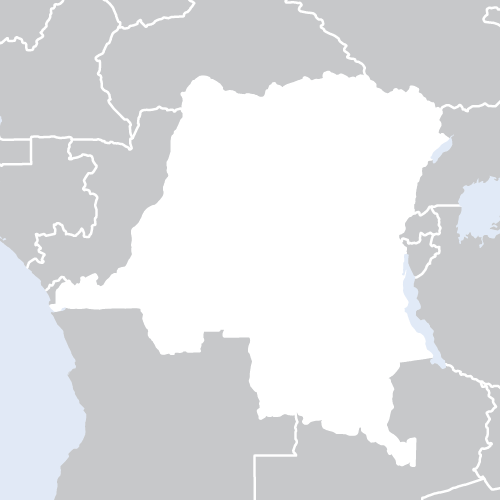
Country: Democratic Republic of the Congo Source: Concern Worldwide Strategic Assistance for Emergency Response (SAFER) Consortium | Concern WorldwideNOTE: Please enable JavaScript to experience the full website Skip to main content Donate Contact us Latest news Schools Vacancies Our workAbout usHow to helpKnowledge Hub Donate Now Our work What we do Livelihoods Health and nutrition Education Emergencies Gender equality Climate and environment Where we work View all countries Schools and youth Concern Debates Primary Schools Secondary Schools Educational Resources Fundraising in Schools Global Activism 1Planet4All Project Us Events and campaigns Concern Connect Education Grants Scheme Campaigns Newsletter Sign-Up Latest news View all news Listen to our podcast About us Who we are Our values Our history Testimonials It’s Our Concern How we raise money Institutional donors Partners Public donations Transparency and accountability Annual reports How money is spent Codes and policies Supply chains Governance How we are governed Our Board of Directors Members Our CEO How to help Donate now Clean Water Appeal Ebola Emergency Appeal Summer Raffle TV Appeal Gaza Crisis Appeal Fundraise for Concern Start your own fundraiser Find a friend to sponsor Climb for Concern 2026 Concern Gifts Other ways to give Donate in memory Leave a gift in your Will Your donation and tax back Philanthropy & Major Gifts Corporate support Become a corporate supporter Partner with us Concern Humanitarian Fund Women of Concern Annual Awards Staff fundraising Payroll giving Make a corporate donation Volunteer in Ireland Knowledge Hub Knowledge Hub resources Knowledge Matters Magazine Global Hunger Index Evaluations Research Learning Papers Contact us Latest news Schools Vacancies Donate today Give your support where it’s needed most Donate now What we do Livelihoods Health and nutrition Education Emergencies Gender equality Climate and environment Where we work View all countries Schools and youth Concern Debates Primary Schools Secondary Schools Educational Resources Fundraising in Schools Global Activism 1Planet4All Project Us Events and campaigns Concern Connect Education Grants Scheme Campaigns Newsletter Sign-Up Latest news View all news Listen to our podcast Read our 2025 annual report Concern’s objectives, activities and achievements in 2025 can be found in our new annual report. Read the report Who we are Our values Our history Testimonials It’s Our Concern How we raise money Institutional donors Partners Public donations Transparency and accountability Annual reports How money is spent Codes and policies Supply chains Governance How we are governed Our Board of Directors Members Our CEO Donate today Join us on our mission to end extreme poverty, whatever it takes. Donate now Donate now Clean Water Appeal Ebola Emergency Appeal Summer Raffle TV Appeal Gaza Crisis Appeal Fundraise for Concern Start your own fundraiser Find a friend to sponsor Climb for Concern 2026 Concern Gifts Other ways to give Donate in memory Leave a gift in your Will Your donation and tax back Philanthropy & Major Gifts Corporate support Become a corporate supporter Partner with us Concern Humanitarian Fund Women of Concern Annual Awards Staff fundraising Payroll giving Make a corporate donation Volunteer in Ireland Knowledge Hub Evidence-based learning, evaluations, research, guidance, manuals, tools and programme updates. Knowledge Hub resources Knowledge Matters Magazine Global Hunger Index Evaluations Research Learning Papers Search Concern website Search Explore Donate In Memory Gaza Appeal Clean Water Appeal Concern Summer Raffle Ebola Emergency Appeal End The Wait Appeal Concern Gifts Job vacancies Contact us Tenders Knowledge Hub – Research Flagship Programme Strategic Assistance for Emergency Response (SAFER) Consortium Contents Overview Programme description Expected outcomes Rapid response mechanism Concern’s reach and impact Programme impact Focus on Bendera Lessons learned Overview Funded by FCDO, ECHO and the Humanitarian Fund, the Strategic Assistance for Emergency Response (SAFER) programme, established in November 2019, is a consortium of five international NGOs bringing together Concern Worldwide, Mercy Corps (MC – Consortium lead), Norwegian Refugee Council (NRC), ACTED and Solidarités International (SI) to provide an effective and coordinated rapid response mechanism in the eastern Democratic Republic of Congo (DRC). SAFER delivers alert-based, short-term interventions to assist vulnerable people to be able to meet their basic needs and recover from crisis. SAFER responds to emerging needs driven by conflict and shocks and resulting population movements in North Kivu, South Kivu, Tanganyika and Ituri, which host the majority of Internally Displaced Persons (IDPs) in DRC. Since the beginning of activities until the end of March 2025, SAFER provided assistance to over 4. 9 million internally displaced and vulnerable people in eastern DRC. The programme budget for 2025 is $38 million. Programme description SAFER’s objective is to provide flexible and coordinated emergency assistance to help reduce the immediate impact of a shock or crisis for the most vulnerable households. SAFER partners respond to alerts issued by OCHA (United Nations Office for the Coordination of Humanitarian Affairs) to deliver multisector responses through multi-purpose cash transfers, emergency water, sanitation and hygiene (WASH) activities, and protection assistance. Partners have established a humanitarian first line mechanism composed of 2 response packages contributing to the programme’s goal of enabling households affected by conflict and shocks to cover their basic needs. These two response packages are: 1) the provision of relevant direct assistance; prioritising cash and vouchers assistance, to the most vulnerable IDPs, returnees and host families to strengthen their purchasing power to enable them to meet their basic needs 2) WASH assistance, including infrastructures and services, to improve their access to safe drinking water and sanitation. Both response packages have gender and protection activities mainstreamed, with specific gender- and protection-targeted activities addressing the needs of vulnerable groups. Concern’s Accountability Support Officer instructs and advises programmes participants on the distribution process. Photo: Samuel Isenge/Concern Worldwide Expected outcomes Impact: Vulnerable households affected by recent conflict and shocks can cover their basic needs. Outcome: A coordinated humanitarian response enables vulnerable households affected by shocks to have safe and equitable access to multi-sectoral emergency assistance and reduce negative coping mechanisms. 1 Strengthened operational context monitoring and predictive modelling: Regular and accurate information and analyses of the humanitarian situation are provided to humanitarian actors in a timely manner to allow for a more evidence-based coordinated response. 2 Cash and voucher assistance: Provided to vulnerable households affected by shocks. 3 Water, Sanitation and Hygiene (WASH): Emergency WASH assistance is provided to vulnerable households affected by shocks, improving access to safe drinking water and sanitation and hygiene practices. 4 Protection and gender mainstreaming: Assistance is delivered in a contextually appropriate manner; respecting Do No Harm principles and ensuring a gender-sensitive approach and social inclusion Concern Emergency Response Programme Manager, carries and distributes food. Photo: Samuel Isenge/Concern Worldwide Rapid response mechanism Within the SAFER framework, the aim is to respond rapidly to urgent needs while maintaining the highest standards of intervention quality. Once an alert has been issued by OCHA, often based on population movements, partners conduct a needs assessment to tailor the intervention. This evaluation must be conducted within 3 weeks of the alert. Each intervention is guided by the assessments conducted for each alert and each sector, with flexibility allowing activities to be adapted to the identified needs. Depending on the type of response, the intervention timelines are as follows: For cash distribution: 9 to 12 weeks between the alert and the start of distribution. For WASH intervention: 9 to 12 weeks between the alert and the promotion of hygiene or the use of facilities (if facilities have been built or rehabilitated). For protection intervention: 9 to 12 weeks between the alert and the first delivery of individual protection assistance. The area covered by the intervention depends on the size of the alerts, the presence of other organisations, the security situation, and the accessibility of the area. Across all its interventions, Concern aims to promote equality between men and women, with a dedicated team for gender integration, protection, and inclusion of people with specific needs. During the assessment phase, Concern organises separate discussion groups for men and women, as well as mixed groups. Concern’s reach and impact In 2025, Concern delivered 8 multi-sector**, ** emergency interventions in response to displacements and return movements in North and South Kivu, reaching approximately 369, 000 people. These interventions included: Multipurpose cash assistance (MPCA) helped recipients used this cash to buy essential household items lost during displacement and food to cover essential household needs. MPCA interventions represented an average of 124$ per household supported. The WASH component of SAFER reached approximately 9, 500 people with improved access to water. Two water supply systems were rehabilitated serving 30 water points. Three rainwater harvesting systems were installed. Maintenance kits were provided to ensure ongoing monitoring and upkeep of the infrastructure. Sanitation interventions included the construction of 1, 325 emergency family latrines. In health facilities, 10 latrines and 4 institutional showers were built, alongside the rehabilitation of three medical waste management areas. Hygiene promotion reached 158, 790 people a total of 26, 465 household hygiene kits were distributed, and 14, 550 menstrual hygiene kits were provided. These WASH activities are crucial to ensure access to water and sanitation services in areas of return or displacement and significantly reduce the risk of waterborne disease outbreaks. Protection interventions took place, including individual protection assistance for and awareness raising for 1, 280 people. Where necessary, Concern referred survivors of protection violations onto other protection and health services, providing cash to cover transport and food allowances. People reached in 2025: Total unique beneficiaries: 369, 405 people MPCA: 156, 143 people (83, 056 female; 73, 087 male) WASH: 228, 071 people (119, 452 female; 108, 619 male) Protection: 1, 280 (1, 117 female; 163 male) Concern staff members organise the distribution of food kits. Photo: Samuel Isenge/Concern Worldwide Programme impact External evaluations have demonstrated the impact of SAFER interventions for alleviating the suffering and meeting the most immediate needs of newly displaced populations. This includes increased access to food and NFIs, water supply, sanitation and hygiene, protection, and agricultural and livelihood support. Following interventions, 91% of participants reported that their household’s vulnerability had reduced because of the assistance received and 85% reported a reduction in the use of negative coping mechanisms (for example, skipping meals due to lack of food). 100% of beneficiaries reported that multi-purpose cash assistance strongly benefitted their households, as they were able to allocate the money based on their priorities, thus enabling them to buy their preferred articles (including seeds) or cover the costs of education or clothes, for example. PDM reports across locations indicate that most of the assistance was systematically spent on food, followed by essential household items and health. Beneficiaries reported several positive impacts of the WASH interventions beyond improved safe access to clean water and infrastructures (showers and latrines), including decreased cases of diseases like cholera and diarrhoea (and a decline in deaths associated with those diseases) and improved hygiene practices, thanks to the awareness raising sessions. Reduced GBV cases was also one of the key positive impacts of the WASH interventions as the installation of latrines in the displacement sites prevents girls and women from having to travel alone outside the camp where they would be increasingly vulnerable to GBV. Security also improved as there were less accidents associated with those searching for water, including a decline in drowning cases and road accidents. Anecdotally, it was also reported to have increased dignity as beneficiaries reported no longer having to rely on the installation of the host community from which they would often be chased, nor having to shower or defecate in the open air, reducing the sense of shame that they used to feel. Some beneficiaries also highlighted that a knock-on effect of the water points was improved food security, as they could spend the money they reserved for water on food. A key unintended positive outcome of the programme was improved social cohesion between host communities and IDPs. In several instances it was reported that they have successfully contributed to promoting peaceful cohabitation between antagonistic groups. For example, beneficiaries of the WASH intervention in a village in North Kivu reported that the installation of latrines led to a reduction in tensions between IDPs and the host community, which was due to the use of neighbouring fields belonging to the host community for going to the toilet. Protection components of the interventions have proven to be effective in addressing key protection gaps in emergency settings and contributing to increased positive outcomes. The community-based approach (establishing community focal points to deliver awareness-raising sessions and refer protection cases and setting-up community protection committees to implement their own protection action plans) has built greater ownership of programmes’ objectives at the local level and increased sustainability of their actions. “I received jerrycans, soap, a bucket, sanitary pads and other items. It will help me a lot because I had nothing. When we returned home, we found that every single thing had gone. When one does not have a canister, something essential is missing because they cannot go and fetch water. Even when I was on my period I had to use loincloth as a sanitary napkin.” A 35 year old female programme beneficary A beneficary waits for the vehicle to assist people with reduced mobility to return them to their homes. Photo: Samuel Isenge/Concern Worldwide Focus on Bendera Following violent clashes in South Kivu, approximately 3, 500 displaced households, representing nearly 17, 500 people – sought refuge in the localities of Mahila, Mapanda, Bendera, Mwecha and Musakaite in Kalemie territory, Tanganyika Province. Most families had fled from the territories of Fizi and Baraka and were hosted by already vulnerable communities living in precarious humanitarian conditions. These populations settled in hard-to-reach and underserved areas, where limited infrastructure and insecurity significantly constrained humanitarian access. Concern implemented there a multisectoral response combining water, sanitation and hygiene (WASH), protection, and multi-purpose cash assistance, reaching 3, 151 households to address their most urgent basic needs, including food and essential household items. The intervention also improved access to sanitation and safe water through the construction of 400 emergency household latrines, the rehabilitation of four water sources, and the renovation of latrines and showers at Lambo Katenga health centre. In addition, 400 WASH kits and 400 hygiene kits were distributed to affected households. Hygiene promotion activities included the training of community volunteers and local leaders, alongside door-to-door awareness campaigns, group discussions and mass sensitization sessions in targeted villages. Under the Protection component, vulnerable households and individuals at heightened protection risk received individual protection assistance and case management support. In total, 6, 591 people participated in protection awareness sessions, 23 individuals received specialized training, and 159 people benefited from individual protection support. Throughout the response, access to intervention areas remained extremely challenging, with humanitarian teams sometimes requiring between three and seven days to travel the 125 kilometres separating Kalemie from the affected localities – highlighting the sustained effort required to reach the most remote and underserved populations and ensure assistance was delivered despite significant logistical constraints. We salute the commitment and dedication of our teams on the ground who continue to act, even in complex contexts, to support the most affected populations and reach the furthest behind. Due to the deteriorated state of the road, an excavator is deployed to assist Concern vehicles and enable the continuation of the mission in Kindingi Plain, Nyemba Health Zone. Photo: Concern Worldwide. “I was suffering from starvation. When we were fleeing, we also lost our essential items. I thank Concern because I now have pots, cans to draw water, two bags of flour, beans and many other things. I used to eat once a day but now it will be three times.” A 70 year old female programme beneficary A programme participant stands in front of a latrine built by Concern as part of the SAFER project. Photo: Samuel Isenge/Concern Worldwide Lessons learned 1. Accountability to Affected Populations (AAP)in emergency interventions Sharing information: To ensure accountability and efficiency, to participants, the consortium continuously improves its practices. It is essential that the population is clearly informed about the assistance and its modalities (including the targeting criteria). Through our interventions, we have learned that prior to distribution it is vital to dedicate sufficient time during the awareness-raising sessions to explain the various steps of the process and the potential waiting times that participants may face. Similarly, maximizing this use of time at the distribution site (or just outside) for additional awareness-raising sessions also enhances the transmission of information. Access to complaint and response mechanisms (CRMs): It is essential that participants have access to communication channels with the Concern team, allowing them to provide feedback, ask questions, or lodge complaints if they are dissatisfied with the intervention, as part of Concern’s robust CRM systems. We have learned that increasing awareness about how to submit complaints and providing regular feedback to communities effectively stimulates the use of existing CRMs, mitigating any potential scepticism. Furthermore, ensuring the continuity of CRMs throughout the project increases community members’ confidence in the use and functionality of these mechanisms. 2. Protection The volatile security situation in Eastern DRC, coupled with the recent control of some territories by new authorities and the ever-changing context following the dismantling of IDP sites, has necessitated significant adaptation and agility to continue delivering assistance while ensuring the safety of both participants and staff members. Following the evacuation of sites, many displaced people are now residing within host communities. Concern has observed that, when the budget permits, adopting an approach that targets the entire community facilitates smoother interventions, particularly in sensitive contexts (controlled areas), due to greater acceptance of the teams by the communities. This community-wide approach has achieved exceptionally high levels of acceptance and satisfaction, while also reducing tensions, especially between displaced persons and host families. Furthermore, the establishment of Protection Focal Points has enabled the identification of individuals with urgent protection needs and facilitated their safe and equitable access to humanitarian aid. Similarly, the implementation of a Rapid Protection Assessment (RPA) before each intervention analyses local power dynamics and provides information on the various challenges faced by the population, informing the best way to conduct the intervention. 3. Modality of Assistance for distribution To promote accessibility, Concern has experimented with the provision of transport in order for participants with reduced mobility to safely access the distribution sites if they decide to attend in person as opposed to sending a family member on their behalf. It had been noticed that individuals prefer to attend the distribution themselves. This experimentation has proven successful, and when coupled with accessibility arrangements on site, these practices have significantly increased the inclusion of distributions. To facilitate the distribution process, Concern establishes protection protocols for the journey to and from the site. For example, daily workers secure the way to and from the distribution site, ensuring the safety and guidance of participants. Community health volunteers practicing their songs and hygiene messages ahead of mass sensitisations. Photo: Concern Worldwide Along the RN5 road between Kalemie and Bendera, Nyemba Health Zone, DRC. Concern staff work to free vehicles stuck in the mud, highlighting the access challenges faced in operational areas. Photo: Concern Worldwide. Organisations who fund us ECHO: European Civil Protection and Humanitarian Aid Operations Foreign, Commonwealth & Development Office (FCDO) Previous ECHO: European Civil Protection and Humanitarian Aid Operations Foreign, Commonwealth & Development Office (FCDO) Next 1/2 Related resources [Learning Paper Promoting Hygiene in IDP settings through Soap-Making Initiatives Last updated: 11 June 2026 This learning paper examines how soap-making when integrated with hygiene-focused behaviour promotion, contributed to improved access to soap and reinforced handwashing practices in a highly constrained Internally Displaced Persons (IDP) setting. ]( https: //reliefweb. int/knowledge-hub/promoting-hygiene-idp-settings-through-soap-making-initiatives ) [Blog Voices from DR Congo: Enabling Affected Communities to Survive and Thrive Last updated: 17 March 2025 The EAST Consortium aims to support over 430, 000 individuals including 65, 000 people living with disabilities across the four most conflict affect provinces of DR Congo. ]( https: //reliefweb. int/knowledge-hub/voices-dr-congo-enabling-affected-communities-survive-and-thrive ) [Blog Supporting resilient livelihoods in DRC Last updated: 13 March 2025 In 2024, Concern supported 350 households to restore and diversify economic activities, improving their capacity to build more resilient livelihoods as part of the Irish Aid’s Chronic Humanitarian Crisis (CHC) funding stream. ]( https: //reliefweb. int/knowledge-hub/supporting-resilient-livelihoods-drc ) News and publications Latest news Knowledge Hub Vacancies Jobs in Ireland International jobs Street and door fundraising Volunteering About us Annual reports How we spend your money How we are governed Get in touch Contact us Make a complaint Media room Terms and conditions Privacy statement Accessibility Cookie policy Manage my cookies Concern Worldwide, a company limited by guarantee, Registered Company Number: 39647, Registered Revenue Number: CHY 5745, Registered Charity Number: 20009090, Registered in Ireland, Registered address is 52–55 Lower Camden Street, Dublin 2. Eircode: D02 H425. Phone: +353 1 417 7700
DR Congo: Strategic Assistance for Emergency Response (SAFER) Consortium | Concern Worldwide

RELATED ARTICLES


