


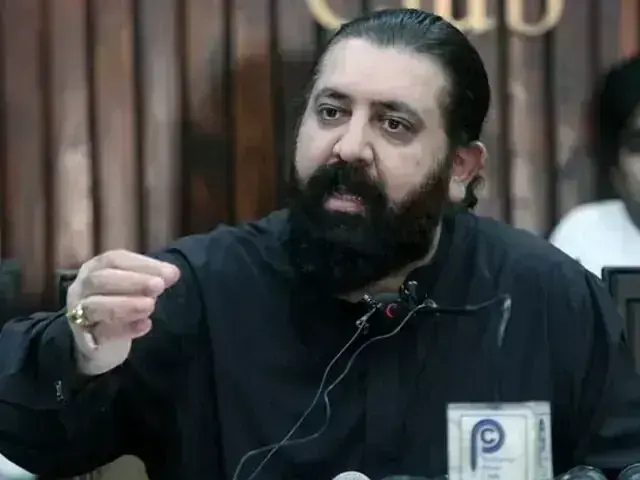
ISLAMABAD: The embattled Pakistan Tehreek-e-Insaf (PTI) on Thursday accused the federal government of politically interfering in the forthcoming Gilgit-Baltistan elections, alleging that central party leaders are being subjected to profiling, movement restrictions, and forced to seek no objection certificates (NOCs) despite being Pakistani citizens. In a statement, PTI spokesman Sheikh Waqas Akram alleged that the Election Commission, local administration, and police are colluding to pressure candidates to abandon the party. He also criticised the deployment of 6, 000 police personnel in GB and the use of “Form 47, ” describing these measures as evidence of pre-poll manipulation. He cited former Prime Minister Imran Khan’s development initiatives in the region, including the upgrade of Skardu Airport, designation of tourism hubs, and the Billion Tree Tsunami project, as factors driving the government’s purported apprehension over PTI’s electoral prospects. Similar claims were made regarding AJK, where Akram alleged discriminatory tactics aimed at sidelining PTI. He warned that such actions in politically sensitive areas risk creating lasting divisions. Akram also criticised the federal government’s delay in presenting the national budget, calling it “a humiliating confession of economic bankruptcy” and accusing authorities of ceding control over fiscal policy to the International Monetary Fund (IMF). He described reported disagreements between Pakistan People’s Party (PPP) and Pakistan Muslim League-Nawaz (PML-N) over provincial allocations as staged and claimed the federal government’s budgetary decisions disproportionately disadvantaged Khyber Pakhtunkhwa compared to Punjab and allied provinces. The PTI leader also raised concerns over the health and detention conditions of Imran Khan and former first lady Bushra Bibi, alleging prolonged custody, limited access to legal counsel, and inadequate medical care. Akram called for their transfer to proper medical facilities with family oversight and demanded accountability for those obstructing their rights. On economic matters, Akram criticised the government’s energy policies, particularly proposed penalties on industries adopting solar power, describing them as punitive and counterproductive. He said exports had stagnated and the trade deficit had widened, claiming that the government’s flagship export promotion scheme “Uraan” had failed to deliver. In conclusion, Akram reiterated PTI’s position that the current government lacks the mandate or capability to address the country’s challenges and reiterated the party’s commitment to pursuing what it described as “justice, provincial rights, and the release of political prisoners” through constitutional channels. Copyright Business Recorder, 2026



GrowthPakistan brings you the latest news to keep an eye on Pakistan’s startup ecosystem. Business keeps you growing when you stay aware of your competitors' moves. GrowthPakistan offers Business, Tech, Global Tech, Global, Auto, and Startup News straight from industries all around the globe. This platform will help you identify upcoming opportunities not only in Pakistan but worldwide.
Email : growthpakistan@gmail.com
Whatsapp : +92320-9497079
© growthpakistan