


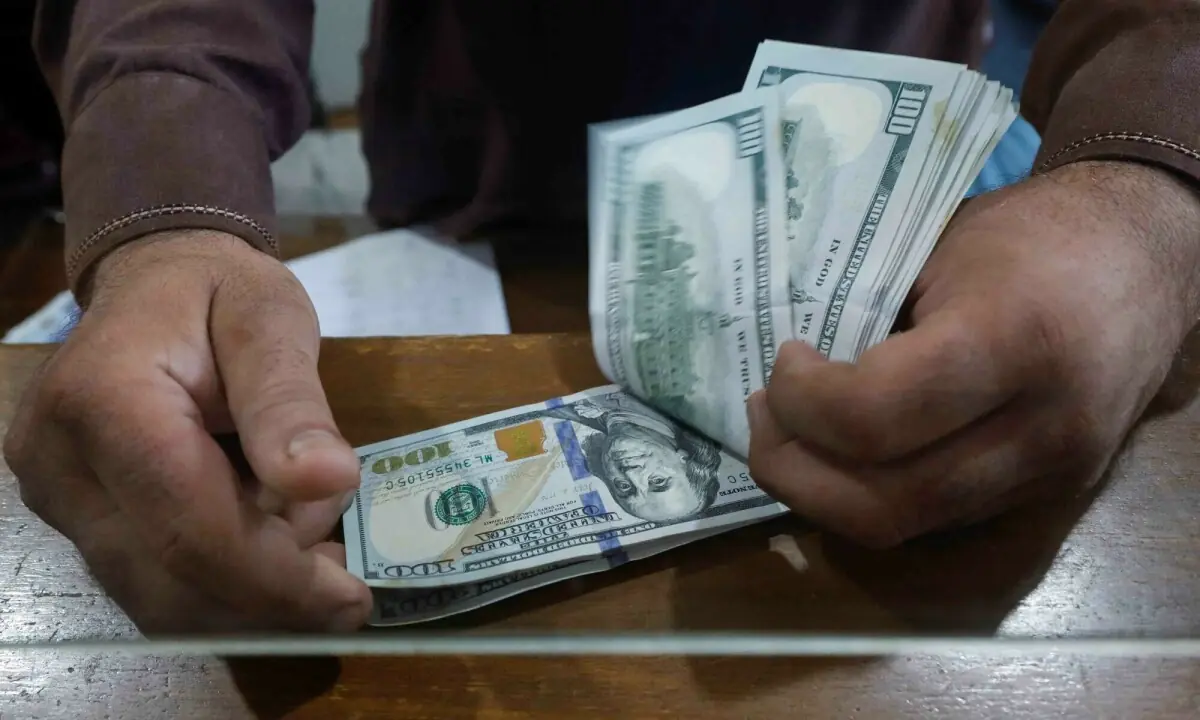
ISLAMABAD: Foreign economic assistance (FEA) inflows to Pakistan surged by almost 20 per cent to $6. 594bn in the first three quarters (July-March) of the current fiscal year, mainly on the back of programme support from the International Monetary Fund (IMF). Total inflows (excluding IMF disbursements), comprising both loans and grants, amounted to $6. 594bn during the first nine months of the current fiscal year, up from $5. 507bn in the same period last year, reflecting an increase of 19. 7pc. Inflows in March alone stood at $731. 3m, compared to $692m in February and $555m in the corresponding month last year, marking a 32pc increase. These inflows do not include the $1. 2bn disbursed by the IMF in December and the additional $3bn in safe deposits from Saudi Arabia in March and April, bringing cumulative inflows in 9MFY26 to more than $9. 7bn. Of the total inflows, foreign loan inflows in 9MFY26 amounted to $6. 494bn, compared to $5. 37bn in the corresponding period last year, showing an increase of almost 29pc. Grants, on the other hand, declined to just $100. 3m during the nine-month period, compared to $135. 6m last year, reflecting a 27pc decrease. The target for total foreign inflows for FY26 was set at $19. 9bn in the 2025-26 budget, up from $19. 4bn last year. Other than IMF payments, loans, grants in first nine months of FY26 amount to $6. 59bn, up from $5. 5bn in same period last year The Ministry of Economic Affairs also confirmed on Sunday that it had received $6. 594bn in total foreign inflows during the first nine months of the fiscal year, compared with $5. 507bn in the same period last year. Budgetary support The Economic Affairs Division stated that of the $6. 594bn in inflows, $2. 486bn was received for project financing, while non-project inflows amounted to $4. 108bn. This means that about $2. 449bn in loans was received during the nine months for budgetary support, despite the annual budget support target being set at $13. 5bn, down from $15bn last fiscal year. The authorities also managed to mobilise $900m under the Saudi oil facility during the nine-month period, at a rate of $100m per month, against an annual target of $1bn. Against a full-year target of $5bn from multilateral lenders (excluding the IMF), Pakistan received only $2. 583bn in 9MFY26, down from $2. 827bn in the same period last year, when the annual target was $4. 5bn. Total inflows from bilateral lenders (excluding fixed deposits from three strategic friendly countries) amounted to $1. 169bn in 9MFY26, against an annual target of $1. 36bn. However, this was more than 300pc higher than the $358m received during the same period last year, when the full-year target was $523m. Total inflows from bilateral and multilateral lenders stood at $3. 752bn in 9MFY26, against an annual target of $6. 4bn. Last year, the government secured $3. 186bn from bilateral and multilateral sources, falling short of the annual target of $5. 05bn. Bank borrowings The World Bank emerged as the top multilateral lender, with $1. 205bn in disbursements during the first nine months, up from $980m last year, reflecting a 23pc increase. In contrast, the Asian Development Bank slipped to second place, with disbursements falling 64pc to $727m from $1. 190bn last year. The Islamic Development Bank disbursed $542m during the first nine months of the fiscal year, compared to $523m in the corresponding period last year. Becoming the single largest source of foreign loans, inflows from overseas Pakistanis rose to $2. 037bn in the first three quarters of this fiscal year, up from $1. 455bn last year, through Naya Pakistan Certificates (NPCs), registering a 40pc increase. This included $1. 444bn in Islamic NPCs and $594m in conventional NPCs. Published in Dawn, May 11th, 2026



GrowthPakistan brings you the latest news to keep an eye on Pakistan’s startup ecosystem. Business keeps you growing when you stay aware of your competitors' moves. GrowthPakistan offers Business, Tech, Global Tech, Global, Auto, and Startup News straight from industries all around the globe. This platform will help you identify upcoming opportunities not only in Pakistan but worldwide.
Email : growthpakistan@gmail.com
Whatsapp : +92320-9497079
© growthpakistan