

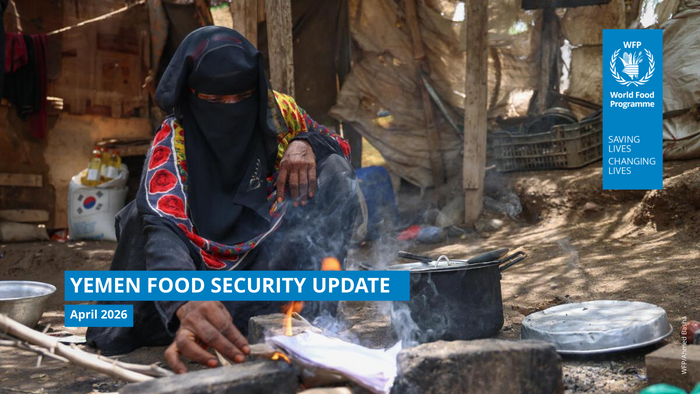
Country: Yemen Source: World Food Programme Please refer to the attached Infographic. Key Highlights; Yemen remains among the most food insecure countries globally. The relative seasonal respite in the prevalence of inadequate food consumption during Q1‐2026 is primarily driven by religious charity and increased remittance inflows during Ramadan. These seasonal gains are typically short‐lived and rebound after Eid. The prevalence of inadequate food consumption is forecast to exceed 60 percent by the end of Q2‐2026. Ongoing regional conflict is also likely to exacerbate vulnerabilities, potentially leading to intensifying inflation and widening food consumption gaps. In March 2026, the prevalence of population with inadequate food consumption dropped to 50% nationwide, including 25% facing severe food deprivation. While the rates were converging in both regions, the disproportionately distributed population translates into a substantially larger number of people in need in SBA-controlled areas. Coping capacity and economic resilience have been exhausted. Around 74% of households nationwide indicated reduced or stopped monthly income (up by 7% YoY). Two-thirds of households adopted crisis or emergency livelihood coping strategies in March, with higher share in SBA areas (66%) than in IRG areas (59%). Yemen remains the fifth largest internal displacement crisis in the world. Food consumption and coping capacity were notably worse among IDPs compared to residents, with conditions particularly severe among those living in camps. In March, nearly two in every five of surveyed IDPs in Yemen experienced moderate to severe hunger, double the level recorded among residents. IDPs in SBA areas are worse off. The policy-driven measures kept the exchange rate relatively stable in both IRG and SBA areas, yet broader economic pressures persist, with Yemen’s real GDP per capita declining by nearly 60% since 2015. The prices of essential food items saw a monthly increase, particularly vegetable oil (up by 6% in IRG areas and 13% in SBA areas), mirroring global trend. With surging crude oil prices in global markets, the Yemeni Oil Company in Aden announced a marked fuel price increase as of 17 April 2026, while prices in SBA areas have so far remained unchanged. Ongoing regional disruptions further constrained fuel supplies into Yemen, with total volumes via all Yemeni sea ports during Q1-2026 declining sharply by 69% compared to Q1-2025. In contrast, food imports continued to arrive in sufficient volumes as of March 2026, with cumulative levels through all Yemeni seaports during Q1-2026 increasing by 28% YoY. Nonetheless, the regional conflict has negative consequences on import routes and costs in Yemen. WFP completed the first cycle of its new targeted emergency food assistance (TEFA) programme in IRG areas in early May, with the second cycle underway. Continued regional tensions are disrupting supply chains, jeopardizing WFP’s ability to stabilize food access and driving up the costs of its lifesaving operations.
WFP Yemen Food Security Update, April 2026

RELATED ARTICLES


