


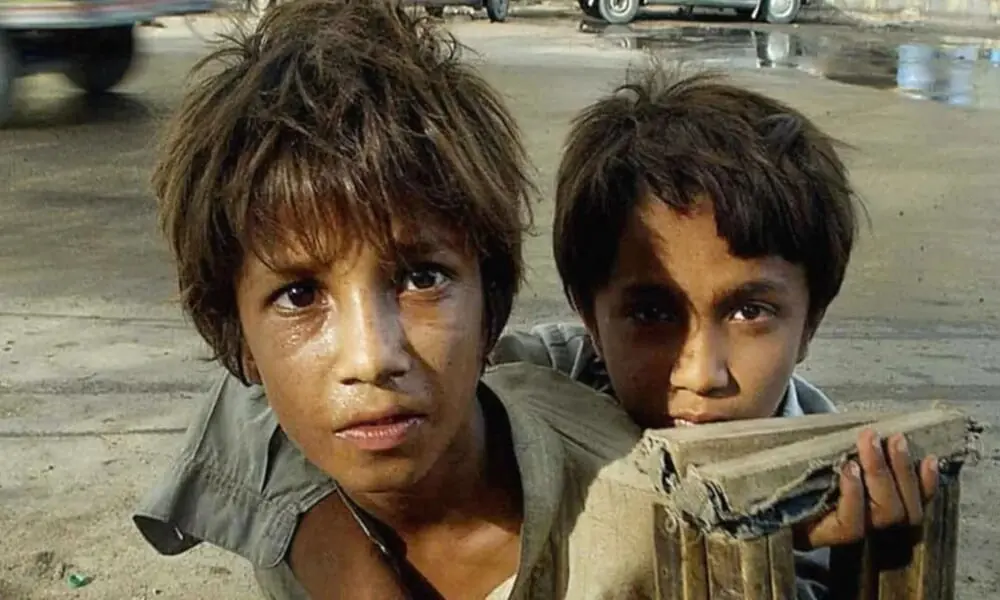
EDITORIAL: The latest findings on childhood lead exposure in Pakistan should jolt policymakers out of complacency. A joint study by the Ministry of National Health Services and UNICEF reveals that four in ten children aged 12–36 months in high-risk urban areas are carrying a toxic burden in their blood. This is no longer a technical public health concern; it is a national emergency unfolding quietly across homes, streets, and industrial neighbourhoods. Lead poisoning is particularly insidious because its effects are not immediately visible, yet they are permanent. The damage – reduced cognitive ability, impaired memory, and behavioural challenges – undermines not just individual potential but the country’s human capital. A child exposed to lead today may struggle in school tomorrow and face diminished prospects for a productive and fulfilling life. Equally alarming is the stark disparity highlighted by the study. The contrast between Hattar in Haripur, where nearly nine out of ten children are affected, and Islamabad, where exposure is minimal, reflects not only environmental differences but also deep inequalities in governance and enforcement. Industrial zones and informal economies, often operating with weak oversight, have become dangerous hotspots. The sources of lead identified by the study are neither new nor obscure. Industrial emissions, unsafe battery recycling, contaminated consumer products, and even everyday items such as spices and cosmetics have been known risks. That exposure to them persists is a fact that points to regulatory failure rather than a lack of knowledge. Pakistan has laws governing industrial pollution and product safety, yet enforcement remains inconsistent, under-resourced, and at times compromised. No less concerning is the lack of public awareness. Many families do not realise that the environments they inhabit, or the products they use, are harming their children. Without sustained awareness campaigns, even the strongest regulations will fall short. Prevention must begin at the household level, supported by clear and accessible information. The measures proposed at the report’s launch – a national action plan, surveillance systems, and multi-sectoral coordination – are necessary. But their success will depend on political will. Task forces and policy frameworks will achieve little unless backed by sustained funding, accountability, and measurable targets. Eliminating lead exposure requires concrete steps: regulating informal recycling, phasing out lead-based paints, and enforcing emissions standards without exception. International partnerships, such as the Lead-Free Future initiative aiming to eliminate childhood lead poisoning by 2040, can provide valuable technical support and momentum. Ultimately, however, responsibility rests with domestic institutions to act decisively and transparently. Addressing lead poisoning must now be central to the public health agenda. The science is clear, the sources are known, and the solutions are within reach. What remains uncertain is whether the urgency of this crisis will finally translate into any meaningful action. Copyright Business Recorder, 2026



GrowthPakistan brings you the latest news to keep an eye on Pakistan’s startup ecosystem. Business keeps you growing when you stay aware of your competitors' moves. GrowthPakistan offers Business, Tech, Global Tech, Global, Auto, and Startup News straight from industries all around the globe. This platform will help you identify upcoming opportunities not only in Pakistan but worldwide.
Email : growthpakistan@gmail.com
Whatsapp : +92320-9497079
© growthpakistan