


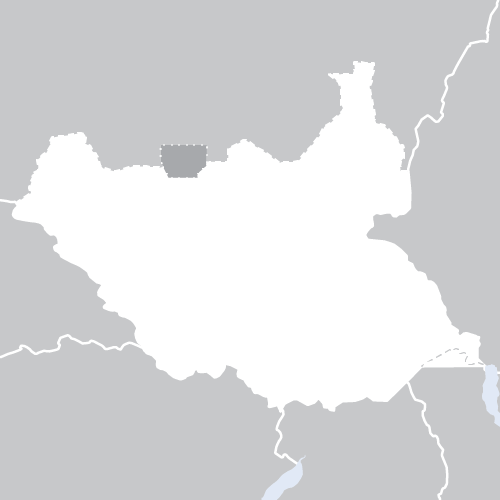
Country: South Sudan Source: World Health Organization Juba, South Sudan — Every unit of blood carries a story, from the donor who gives, to the National Blood Transfusion Service (NBTS) teams who collect and process it, to the clinicians who use it, and the patient whose life depends on it. For many in South Sudan, that story ends in survival, a mother after childbirth, a child with severe anaemia, or a patient in critical care. “ Our goal is to ensure the availability of safe blood and blood products, building a system where blood is always available, so no life depends on last-minute searches, and every patient gets a chance to live, ” said Dr Angelo Aruop Akeen, Director of the NBTS. South Sudan has one of the highest maternal mortality rates globally, with post-partum haemorrhage (PPH) among the leading causes of death. In such emergencies, access to safe blood is often the difference between life and death. The World Health Organization (WHO) recommends that countries collect between 1–3% of their population in blood annually. For South Sudan, this means about 157, 000 units per year. Current collection remains far below this level, creating a critical gap that continues to affect emergency and paediatric care. The donor mobilization structure A major challenge lies in how blood is sourced. Only (7. 6–34%) of blood donations come from voluntary non-remunerated donors, based on state-level consultations conducted by the NBTS and the WHO Country Office in seven states in October 2025. The system still relies heavily on family replacement donors, friends or relatives who donate in emergencies. This approach is not suited for urgent care. Finding a donor takes time, often delaying treatment when minutes matter most, while placing pressure on families and failing to guarantee a safe, ready supply. In contrast, voluntary donors give regularly and freely, allowing blood to be collected, tested, and stored in advance. “ Too often, we only get blood when a family is already in crisis. What we need are regular voluntary donors so we can have safe blood ready before the emergency happens, ” said Dr Faith Keji Charles of Juba Medical Complex and Executive Director of the South Sudan Blood Donors Society. WHO recommends voluntary non-remunerated donation as the foundation of a safe and sustainable blood system, as it improves both safety and reliability. Encouragingly, blood drives in Juba, Wau, Aweil, and Torit, as well as initiatives at facilities like St. Theresa Hospital in Yambio, show growing momentum for change. The roadmap to safe blood To accelerate progress, WHO is supporting the Ministry of Health and the NBTS to develop the National Blood Transfusion Services Strategy 2026–2030, aimed at strengthening governance, improving blood collection and safety systems, and expanding access to safe blood nationwide. “ Safe and sufficient blood supply is not only a technical goal, but also a health system priority that saves lives every day, ” said Dr Swaibu Katare, WHO Consultant supporting the strategy’s development. Strengthening the system will require sustained investment in voluntary donation, improved infrastructure, better data systems, and stronger quality standards. Ultimately, ensuring safe blood for all is about saving lives, so that every story behind a blood donation continues in survival and hope. For Additional Information or to Request Interviews, Please contact: RUTAREMARA Alice Communications officer Emaill: rutaremaraa@who. int Mr Atem John Ajang Communication Officer Mobile: +211 921736375 Email: atema@who. int



GrowthPakistan brings you the latest news to keep an eye on Pakistan’s startup ecosystem. Business keeps you growing when you stay aware of your competitors' moves. GrowthPakistan offers Business, Tech, Global Tech, Global, Auto, and Startup News straight from industries all around the globe. This platform will help you identify upcoming opportunities not only in Pakistan but worldwide.
Email : growthpakistan@gmail.com
Whatsapp : +92320-9497079
© growthpakistan