


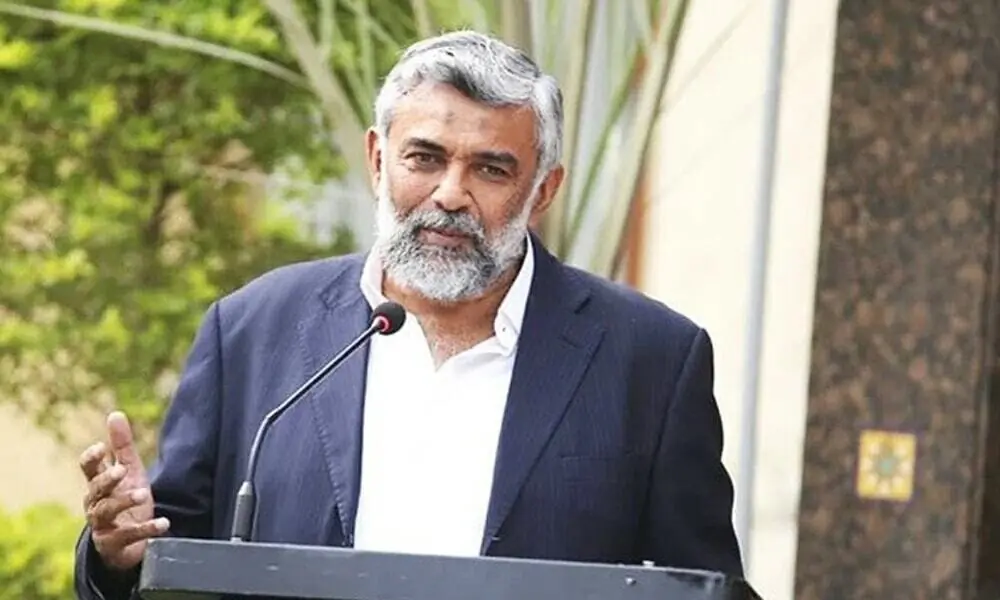
KARACHI: There is an easy way to boost the national economy to resolve the issues of megacity Karachi and it would cause a positive domino effect on the whole economy, said Pasban Democratic Party (PDP) Chairman Altaf Shakoor here Sunday. He said Karachi is a major economic driver, but some hidden local and foreign factors don’t want to see this megacity getting its due status. They are applying brakes to halt the progress and prosperity of Karachi. He said Karachi, Pakistan’s largest metropolitan hub and economic engine, stands at a critical juncture where strategic urban development can significantly accelerate economic uplift and long-term prosperity. He said as the megacity continues to expand, the integration of modern infrastructure, efficient urban planning, and inclusive growth policies has become not just desirable, but essential. He said urban development plays a foundational role in economic progress by improving productivity, attracting investment, and enhancing the quality of life for citizens. In Karachi, where a substantial share of the nation’s commerce, industry, and financial activity is concentrated, even incremental improvements in urban systems can yield outsized economic benefits, he said. Altaf Shakoor said infrastructure is the backbone of growth, and it is kept poor deliberately to check the progress of the megacity. He said efficient transportation networks, reliable utilities, and well-planned housing is key drivers of economic activity. He said investments in roads, railway, public transit, water supply, and energy systems reduce transaction costs, improve labour mobility, and enable businesses to operate more efficiently. He said in Karachi, several transformative projects illustrate this potential at scale. The K-IV Water supply project is expected to add approximately 650 million gallons per day (MGD) to the city’s water supply—significantly narrowing the gap between demand and availability. Reliable water access is critical not only for households but also for industrial productivity and public health. He said the Karachi Circular Railway (KCR), once fully rehabilitated and expanded, is projected to carry hundreds of thousands of passengers daily, offering a high-capacity alternative to congested road networks. By reducing travel times and transport costs, KCR can directly improve workforce efficiency and reconnect residential areas with commercial and industrial hubs. Meanwhile, Karachi’s Bus Rapid Transit (BRT) system—including operational and planned corridors—has the potential to serve over 1 million passengers per day when fully implemented, he said. Existing lines have already demonstrated measurable reductions in commute times along key routes, improving access to jobs and essential services. He said together, these projects represent more than infrastructure—they are economic multipliers. However, their full impact will depend on timely completion, institutional coordination, and sustained operational quality, ensuring that projected benefits translate into real economic gains. Altaf Shakoor said urban development stimulates employment both directly and indirectly. Construction projects generate immediate jobs, while improved urban environments attract industries, startups, and service sectors. Special economic zones, industrial parks, and mixed-use developments in Karachi can foster innovation and create sustainable employment opportunities for a growing population. He said a well-developed urban landscape signals stability and opportunity to investors. Transparent zoning regulations, streamlined approvals, and modern commercial districts can position Karachi as a competitive destination for both domestic and foreign investment. Enhanced urban governance and public-private partnerships will be key in this transformation. Altaf Shakoor said economic uplift is most sustainable when it is inclusive. Urban development must prioritize affordable housing, access to education and healthcare, and safe public spaces. By improving living standards across all segments of society, Karachi can strengthen its human capital—it’s most valuable economic asset. He said a future-focused urban development must also address environmental challenges. Climate-resilient infrastructure, green spaces, and sustainable waste management systems are essential for long-term economic stability. Karachi’s coastal location makes it particularly important to incorporate resilience into all development planning. While Karachi’s potential is widely recognized, progress has often been slowed by structural challenges rather than lack of vision, he said. Fragmented institutional responsibilities, inconsistent policy continuity, and competing stakeholder interests have historically constrained the pace of implementation. He said addressing these barriers will require stronger coordination across government tiers, transparent governance frameworks, and alignment of incentives to ensure that large-scale initiatives—such as K-IV, KCR, and BRT systems—are delivered efficiently and sustainably. He said Karachi’s future is not defined by its constraints, but by its capacity to act. With the right focus on urban development, the city can transform its challenges into opportunities and pave the way for sustained economic growth—fuelling not only its own progress, but that of the entire nation. Copyright Business Recorder, 2026



GrowthPakistan brings you the latest news to keep an eye on Pakistan’s startup ecosystem. Business keeps you growing when you stay aware of your competitors' moves. GrowthPakistan offers Business, Tech, Global Tech, Global, Auto, and Startup News straight from industries all around the globe. This platform will help you identify upcoming opportunities not only in Pakistan but worldwide.
Email : growthpakistan@gmail.com
Whatsapp : +92320-9497079
© growthpakistan