


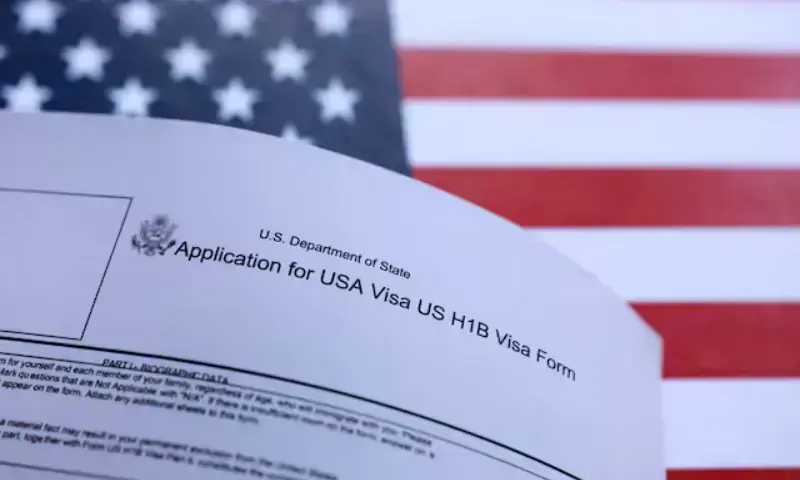
WASHINGTON: The United States has instructed its diplomatic missions worldwide to refuse visas to applicants who indicate fear of returning to their home country, in a new screening measure that has drawn concern from immigration lawyers and refugee advocates. According to a State Department cable circulated to all US embassies and consulates and cited by American media outlets, consular officers are now required to ask non-immigrant visa applicants two additional questions during interviews: whether they have experienced harm or mistreatment in their country of nationality or last habitual residence, and whether they fear such harm if they return. Applicants who answer “yes” to either question are to be denied visas immediately, the directive states. The measure applies to visitor, student, and temporary work visa categories, including B-1/B-2, student, and certain work-related visas. The instruction is reportedly linked to a 2025 executive order by President Donald Trump and has been attributed to Secretary of State Marco Rubio. It is part of what the administration describes as efforts to curb “asylum abuse” by preventing the use of temporary visas as a pathway to protection claims once inside the United States. State Dept calls visa a privilege, not a right; says individuals who do not intend to comply with immigration laws shouldn’t seek entry The information was initially circulated by commercial visa assistance companies and was later confirmed by US and international media outlets, including The Washington Post and The Guardian. Previously, fear-of-return assessments were conducted only when individuals applied for asylum after arriving in the United States. The new policy shifts that screening to the visa application stage abroad, effectively requiring applicants to disclose potential protection claims before entry. The State Department has defended the directive, reiterating that a US visa is a “privilege, not a right”, and that individuals who do not intend to comply with US immigration laws should not seek entry. Officials argue that the measure is aimed at ensuring the integrity of temporary visa categories. Immigration lawyers and rights groups, however, have warned that the policy could have far-reaching consequences for legitimate travellers, including students, academics, journalists, and business professionals who may have credible fears of persecution in their home countries. They say a truthful response could automatically result in visa refusal, potentially discouraging lawful travel and undermining international protection norms. Critics cited by The Washington Post, which first reported details of the cable, also raised concerns that the policy could affect future asylum claims made after entry into the US, though the administration has not clarified how such responses will be treated in later immigration proceedings. Officials at the Pakistan Embassy in Washington, when asked about the development, said they had not received any country-specific communication from the US government. They indicated that the measure appears to be part of a global policy shift applied uniformly across all nationalities rather than a Pakistan-specific action. They added that procedural changes in US non-immigrant visa processing are typically circulated internally by the State Department to all embassies and consulates simultaneously, rather than communicated through bilateral diplomatic channels. The directive is expected to take effect immediately, with consular posts already updating interview procedures. Published in Dawn, April 30th, 2026



GrowthPakistan brings you the latest news to keep an eye on Pakistan’s startup ecosystem. Business keeps you growing when you stay aware of your competitors' moves. GrowthPakistan offers Business, Tech, Global Tech, Global, Auto, and Startup News straight from industries all around the globe. This platform will help you identify upcoming opportunities not only in Pakistan but worldwide.
Email : growthpakistan@gmail.com
Whatsapp : +92320-9497079
© growthpakistan