


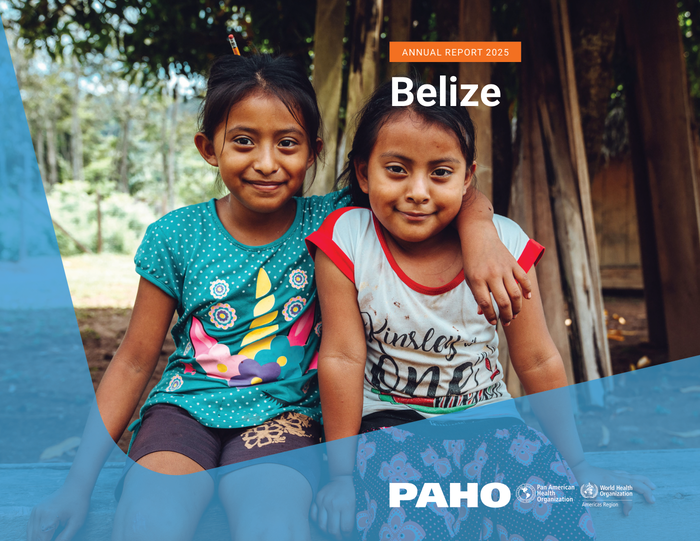
Country: Belize Sources: Pan American Health Organization, World Health Organization Please refer to the attached file. The annual reports of the PAHO/WHO country offices present a summary of the main results achieved with the technical cooperation of the Pan American Health Organization (PAHO) in each of the Member States of the Region of the Americas in 2025. In addition to the most relevant achievements obtained together with governments and other key partners, they include stories from the field that tangibly illustrate progress and challenges in the area of health. The reports reflect PAHO’s sustained commitment to strengthening health systems and responding to national priorities. They are also a fundamental tool for accountability and transparency, promoting policy dialogue, and demonstrating the added value that PAHO offers in the countries of the Region. By highlighting PAHO’s contributions to the results achieved, the reports also highlight the impact of multi-stakeholder collaboration and support resource mobilization in line with the Organization’s strategic frameworks and each country’s planning and monitoring processes. These reports, prepared for national authorities and other strategic partners, shed light on joint efforts at the national and local levels, and help to strengthen a shared commitment to health in the Region of the Americas. n 2025, PAHO technical support to the Ministry of Health & Wellness and partners improved the governance, resilience, and preparedness of the health system in Belize. With continued prioritization on implementing the Country Cooperation Strategy 2023–2027 and advancing strategic objectives, much was achieved, with the Health Sector Support Programme being successfully completed, and tobacco control and mental health services enhanced. Technical cooperation also focused on PAHO’s Better Care for NCDs and Disease Elimination initiatives. The operationalization of the Belize Health Sector Strategic Plan 2025–2034 was supported, and interoperability of health information for evidence-based policy and planning strengthened.



GrowthPakistan brings you the latest news to keep an eye on Pakistan’s startup ecosystem. Business keeps you growing when you stay aware of your competitors' moves. GrowthPakistan offers Business, Tech, Global Tech, Global, Auto, and Startup News straight from industries all around the globe. This platform will help you identify upcoming opportunities not only in Pakistan but worldwide.
Email : growthpakistan@gmail.com
Whatsapp : +92320-9497079
© growthpakistan