


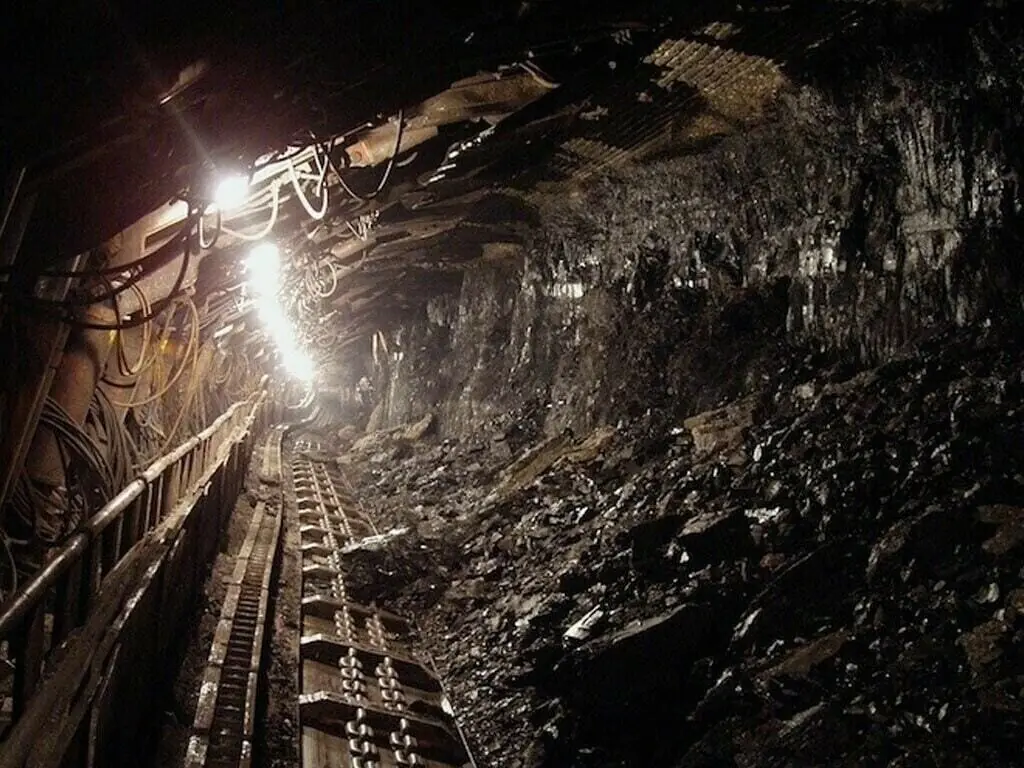
EDITORIAL: The extraordinary rescue of a young miner after 16 days, from beneath the rubble of a collapsed marble mine in Takht Bhai area of Mardan, is nothing short of miraculous. In a setting where hope usually fades within hours, the survival of 25-year-old labourer Wahab, a resident of Mohmand tribal district of Khyber Pakhtunkhwa, stands as a powerful example of human endurance and the tireless efforts of rescue teams. Yet, while this story offers a rare moment of relief and inspiration, it also casts a harsh light on the persistent safety failures that continue to plague our mining sector. The tragic incident, which claimed the lives of eight workers and injured several others, is not an isolated event. Mine collapses, particularly in the marble and coal sectors, occur with alarming frequency in Khyber Pakhtunkhwa and Balochistan. These accidents often expose a pattern of negligence: inadequate safety measures, poor oversight, and weak enforcement of existing regulations. The fact that a worker remained unaccounted for more than two weeks raises serious questions about the systems in place for tracking and rescuing miners. The formation of an investigation committee by district authorities is a necessary step, but such actions must go beyond routine procedure. Too often, inquiry reports fail to translate into meaningful reform. Accountability must be ensured not only at the operational level but also among regulatory bodies responsible for oversight. Without clear consequences for negligence, such tragedies are bound to recur. At the same time, Wahab’s survival should prompt deeper reflection on the resilience of workers who operate in hazardous conditions with little protection. These miners, almost always from economically disadvantaged backgrounds, risk their lives daily with limited access to safety equipment or insurance. Their vulnerability underscores the urgent need for comprehensive labour protections, including mandatory safety training, effective emergency preparedness protocols, and enforceable standards for mine operators. The role of the rescue services also deserves recognition. Continued efforts over more than two weeks reflect a commendable level of commitment. However, such operations should not have to rely on endurance and chance alone. Investment in modern rescue technology, improved coordination, and strengthened rapid-response capacity could help save more lives in emergencies. While this ‘miracle’ of survival provides a moment of national relief, it must not distract from the systemic issues that led to this disaster. What is required now is a firm and sustained commitment to safety reforms, stricter enforcement of rules and regulations, and a culture that prioritises human life over profit. Without such change, miracles will remain rare, and preventable tragedies will continue all too frequently. Copyright Business Recorder, 2026



GrowthPakistan brings you the latest news to keep an eye on Pakistan’s startup ecosystem. Business keeps you growing when you stay aware of your competitors' moves. GrowthPakistan offers Business, Tech, Global Tech, Global, Auto, and Startup News straight from industries all around the globe. This platform will help you identify upcoming opportunities not only in Pakistan but worldwide.
Email : growthpakistan@gmail.com
Whatsapp : +92320-9497079
© growthpakistan