


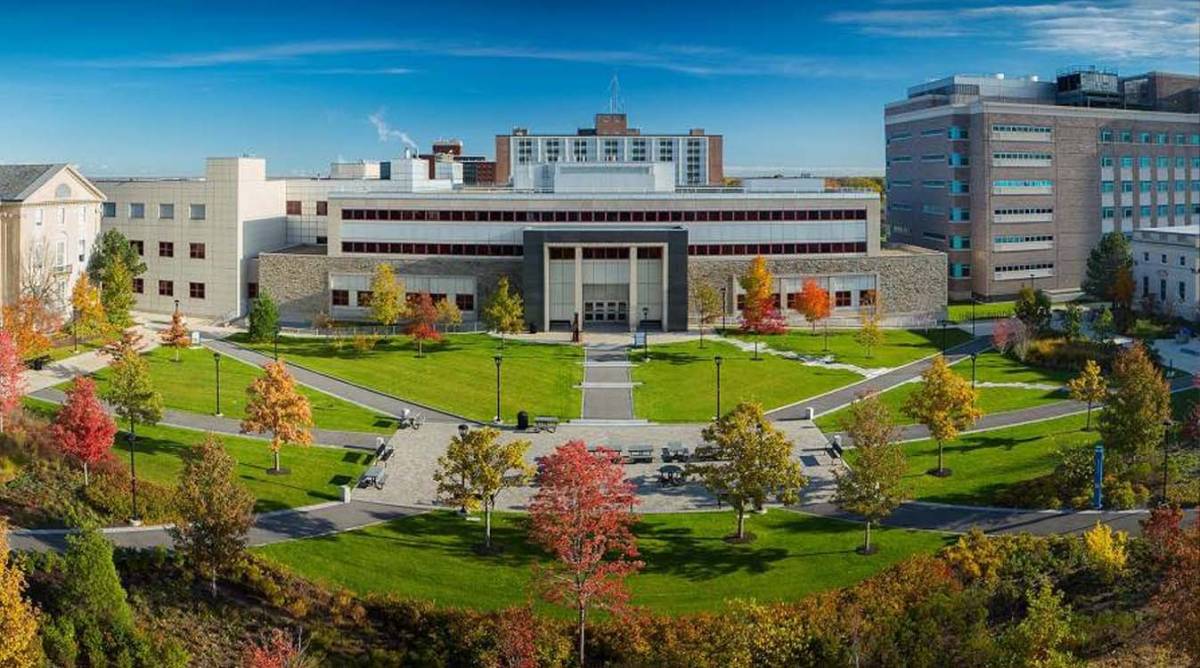
In a healthcare system often criticized for leaving the most vulnerable behind, a new $3. 7 million investment is now being seen as a potential turning point for inclusive dental care in the United States. The School of Dental Medicine – University at Buffalo has secured state funding to establish a Special Care Clinic dedicated to patients with intellectual and developmental disabilities — a group that continues to face some of the highest barriers to routine dental treatment. A major step toward inclusive dentistry Announced as part of a broader $25 million statewide initiative by the New York State Office for People with Developmental Disabilities (OPWDD), the UB Dental project is among 30 selected healthcare expansions aimed at improving access for underserved populations. The clinic, planned to open in Squire Hall on UB’s South Campus in 2027, will be fully equipped to treat patients who often struggle in conventional dental environments due to cognitive, behavioral, sensory, or physical challenges. Why this matters more than ever According to experts involved in the project, the gap in care is significant. Only 56% of adults with disabilities receive dental care annually, compared to about 70% of non-disabled adults — a disparity that has long raised concern among public health professionals. Patients in this group also face higher rates of untreated cavities and gum disease, often because traditional clinics are not designed to meet their specific needs. Designed for patients who are often overlooked The new facility will include specialized features such as: Wheelchair-accessible dental units Sensory-friendly treatment rooms Adaptive imaging equipment Enlarged, accessible restrooms Custom-designed spaces for neurodiverse patients UB officials say the goal is simple but urgent — to remove physical and psychological barriers that prevent people with disabilities from receiving timely dental care. Dean Marcelo Araujo of UB School of Dental Medicine described the project as a “meaningful step forward” in expanding access to underserved communities. A shift in how dentistry is taught Beyond patient care, the clinic is also expected to reshape dental education. Dr. Elizabeth Kapral, who will oversee the clinic, emphasized that the initiative will prepare future dentists to better treat patients with complex needs — helping address a long-standing gap in clinical training. She noted: “Future barriers will be reduced by increasing the number of competent providers trained in special care dentistry. ” A broader policy shift toward equity New York Governor Kathy Hochul called the funding part of a wider push to close healthcare equity gaps, highlighting investments in infrastructure upgrades, accessibility improvements, and specialized care facilities across the state. Experts believe the UB clinic could become a model for other universities and healthcare systems looking to integrate disability-inclusive care into mainstream medical training and services. The bigger picture As healthcare systems worldwide grapple with accessibility challenges, initiatives like this signal a growing recognition: equity in healthcare is not optional — it is foundational. And for thousands of patients who have long been left out of routine dental care, this clinic represents more than a facility. It represents access. Stay informed, stay ahead pk/20-Apr-2026/dentistry-failing-patients-disabilities-dollar-3-7m-fix-begins” target=”_blank” rel=”nofollow noopener noreferrer”>Read full story on Dental News



GrowthPakistan brings you the latest news to keep an eye on Pakistan’s startup ecosystem. Business keeps you growing when you stay aware of your competitors' moves. GrowthPakistan offers Business, Tech, Global Tech, Global, Auto, and Startup News straight from industries all around the globe. This platform will help you identify upcoming opportunities not only in Pakistan but worldwide.
Email : growthpakistan@gmail.com
Whatsapp : +92320-9497079
© growthpakistan