


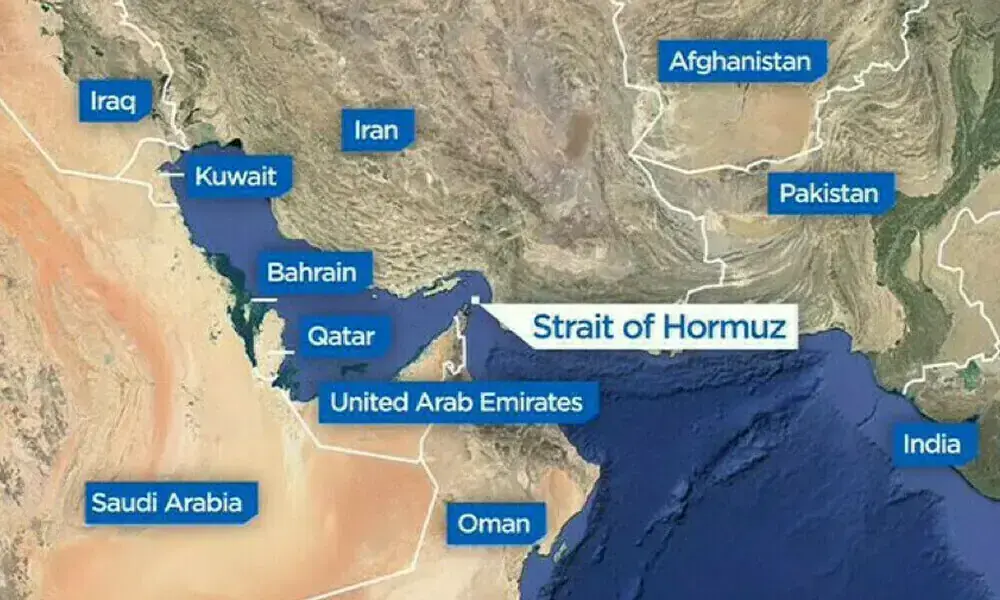
At least three Liquefied Natural Gas (LNG) cargoes destined for Pakistan are currently stranded in the Persian Gulf, according to Bloomberg’s vessel-tracking data. The South Asian country has gone more than a month without receiving any LNG shipments due to the closure of the Strait of Hormuz, raising the risk of increased power outages as temperatures begin to rise, said the report. Last week, Minister for Power Sardar Awais Ahmad Khan Leghari said that power load-shedding during peak hours will continue until the supply of LNG is restored, which is currently unavailable due to a force majeure declared by Qatar. Pakistan ramps up furnace oil use, delays nuclear maintenance amid LNG shortages The country is facing a shortfall of around 3, 400 megawatts due to reduced hydropower output, as rainfall and lower irrigation demand have limited water releases from reservoirs, Awais Leghari told a press conference. There has also been a sharp drop in LNG-based generation, prompting load management of up to 6–7 hours in some areas, Leghari added. Pakistan’s LNG-fired plants, with about 6, 000 MW capacity, are producing only around 500 MW due to gas shortages, while hydropower output has fallen to about 1, 600 MW, roughly half of last April’s level, he said. On the global front, the ceasefire in the Iran war, due to run until Tuesday, was in doubt after the U. S. seized an Iranian cargo ship and Tehran’s top military command vowed to retaliate. Iran rejected new peace talks with the U. S. , its state news agency reported on Sunday, hours after U. S. President Donald Trump said he was sending envoys for talks in Pakistan and would launch new strikes on Iran unless it accepts his terms.



GrowthPakistan brings you the latest news to keep an eye on Pakistan’s startup ecosystem. Business keeps you growing when you stay aware of your competitors' moves. GrowthPakistan offers Business, Tech, Global Tech, Global, Auto, and Startup News straight from industries all around the globe. This platform will help you identify upcoming opportunities not only in Pakistan but worldwide.
Email : growthpakistan@gmail.com
Whatsapp : +92320-9497079
© growthpakistan