


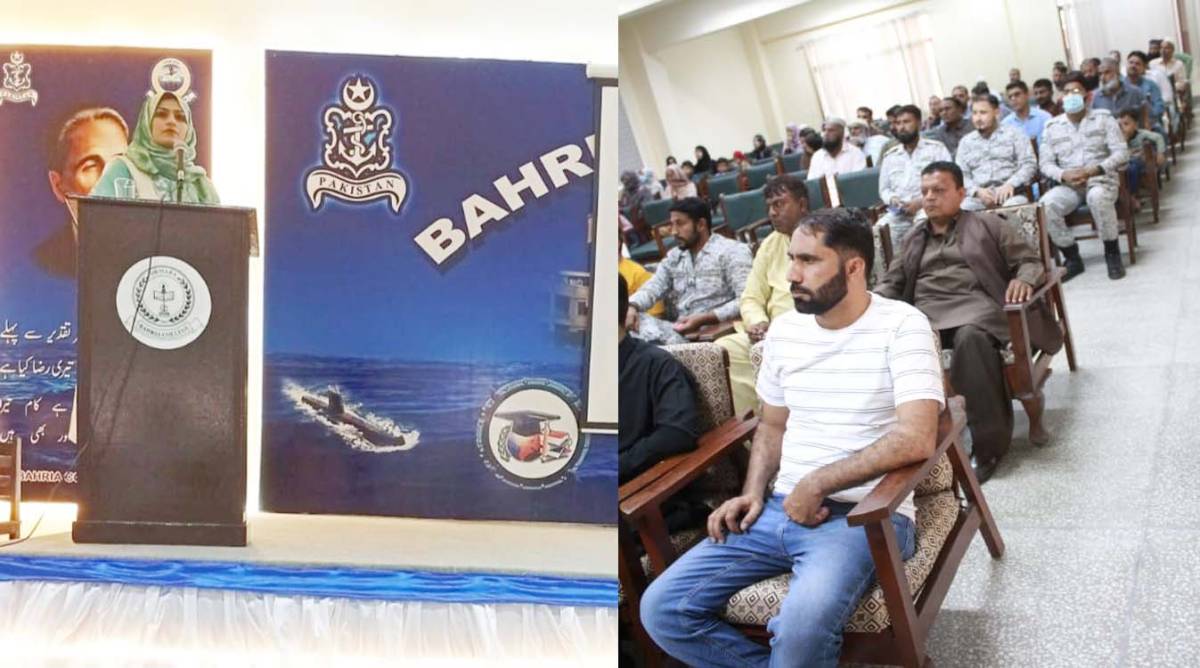
ORMARA: It often starts as a small ulcer, a mild discomfort, or a slight restriction in mouth opening — symptoms most people ignore. But for thousands in Pakistan, this “minor issue” quietly progresses into one of the deadliest yet most preventable diseases: oral cancer. Health experts are raising alarm over what they describe as a growing but largely overlooked public health crisis, where late diagnosis, lack of awareness, and deeply rooted habits are costing lives every year. A leading cancer with preventable roots Speaking at a recent awareness session, Dr. Hera Nadeem, Oral Surgeon and Assistant Professor at Bhitai Dental and Medical College, highlighted that oral cancer remains one of the most common cancers among men in Pakistan, with thousands of deaths reported annually. She emphasized that the tragedy lies not just in the numbers — but in the fact that most cases are preventable. “This is a disease where awareness alone can save lives, ” she noted, urging individuals to recognize early warning signs and avoid high-risk behaviors. Tobacco, gutka, and chalia: the core drivers Experts point out that nearly 75% of oral cancer cases in Pakistan are directly linked to tobacco use — including both smoking and smokeless forms. Products such as gutka, pan, and chalia (areca nut) remain widely consumed across all age groups, significantly increasing the risk of developing oral cancer. Dr. Hera warned that areca nut consumption, often perceived as harmless, can lead to progressive mouth stiffness or oral submucous fibrosis, eventually restricting mouth opening to the point where patients may struggle to eat solid food. Beyond oral cancer: a wider health threat The risks extend far beyond the mouth. Participants were informed that tobacco use is strongly associated with multiple life-threatening conditions, including cancers of the lung, pancreas, and colon, as well as serious health complications such as stroke, vision loss, and bone weakness. Related story: Smartphone imaging system may help dentists detect oral cancer early The message was clear: these habits are not isolated risks — they are part of a broader, systemic health crisis. The rising danger of vaping among youth Adding to the concern is the increasing popularity of vaping, particularly among younger individuals. Dr. Hera cautioned against the misconception that vaping is a safer alternative to smoking. She stressed that it carries its own health risks and may act as a gateway to long-term nicotine dependence. She urged parents to take an active role in monitoring and guiding their children, emphasizing that prevention must begin at home. Early signs you should never ignore Experts highlighted key symptoms that require immediate attention: Persistent mouth ulcers that do not heal Unexplained lumps or thickening in the oral cavity Difficulty in opening the mouth Red or white patches inside the mouth Pain or difficulty in chewing and swallowing Early detection, they stress, can significantly improve treatment outcomes. Prevention is the most powerful cure In her concluding remarks, Dr. Hera advised complete avoidance of all forms of tobacco and heightened awareness of other contributing factors such as poor oral hygiene, nutritional deficiencies, and viral infections like Human Papillomavirus (HPV). Related story: FDI launches global project to boost HPV prevention through oral health She strongly encouraged individuals experiencing any suspicious symptoms to seek prompt consultation with an oral and maxillofacial surgeon or a qualified physician. A national wake-up call As Pakistan continues to grapple with rising cancer burdens, experts say oral cancer represents a unique opportunity — a disease where prevention, awareness, and early action can make a life-saving difference. The real question is no longer whether the threat exists — but whether people will act before it’s too late. Stay informed, stay alert pk/18-Apr-2026/silent-killer-mouth-oral-cancer-pakistan-awareness” target=”_blank” rel=”nofollow noopener noreferrer”>Read full story on Dental News



GrowthPakistan brings you the latest news to keep an eye on Pakistan’s startup ecosystem. Business keeps you growing when you stay aware of your competitors' moves. GrowthPakistan offers Business, Tech, Global Tech, Global, Auto, and Startup News straight from industries all around the globe. This platform will help you identify upcoming opportunities not only in Pakistan but worldwide.
Email : growthpakistan@gmail.com
Whatsapp : +92320-9497079
© growthpakistan