


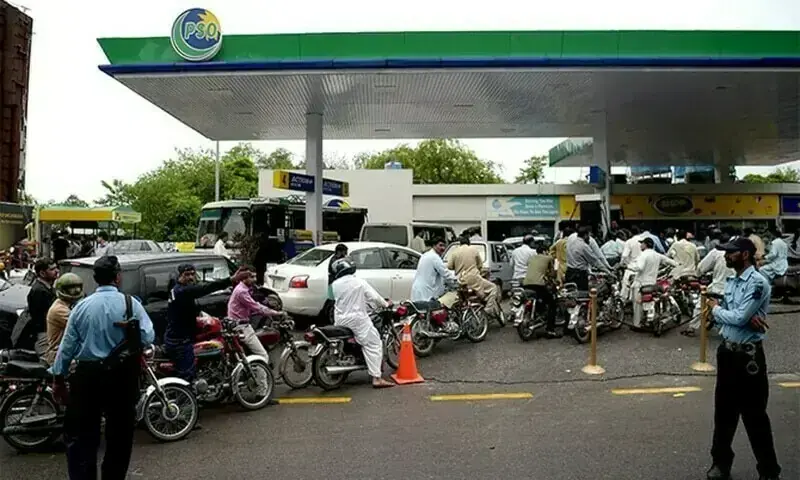
THE latest staff-level agreement between the IMF and Pakistan could not have come at a more volatile moment. What might otherwise have been read as a routine milestone under the IMF’s balance-of-payments and climate change-support facilities is now entangled with the geopolitical shock from the US-Israel war on Iran, a conflict rapidly reshaping economic realities far beyond the region. At the heart of the crisis lies the disruption of energy flows through the Strait of Hormuz. Any sustained disturbance here inevitably transmits inflationary pressures across import-dependent economies, and few are as exposed as Pakistan. The surge in global oil prices has already begun to test our fragile macroeconomic stabilisation, threatening to reverse hard-won gains in inflation control, external account management and currency stability. Against this backdrop, the agreement that clears the way for the disbursement of the next loan tranche of $1. 2bn and, more importantly, its tacit acceptance of Pakistan’s fuel price management points to a subtle shift in approach. Traditionally, the lender has been unequivocal in opposing energy subsidies due to their fiscal burden and distortionary effects. But, in the current environment, by not explicitly challenging Pakistan’s decision to cushion domestic fuel prices, the IMF appears to acknowledge that exogenous shocks of this magnitude require calibrated flexibility rather than rigid adherence to doctrine. This pragmatic accommodation, however, should not be mistaken for a blank cheque. The Fund’s statement is laced with familiar caution: fiscal discipline must be preserved, energy sector distortions corrected and structural reforms accelerated. The emphasis on maintaining a primary surplus and avoiding untargeted subsidies underscores a fundamental tension. It expects Islamabad to simultaneously absorb external shocks, protect its citizens and stay the course of fiscal consolidation — a balancing act that grows more precarious as the crisis deepens. What emerges from the IMF statement is an implicit acknowledgement that Pakistan’s economic trajectory is now being shaped as much by geopolitics — at least in the near term — as by domestic policy choices. “The conflict in the Middle East, however, casts a cloud over the outlook as volatile energy prices and tighter global financial conditions risk putting upward pressure on inflation and weighing on growth and the current account, ” cautions the IMF. The war has effectively injected a new variable into the IMF programme: uncertainty. And uncertainty, more than any other factor, complicates fiscal planning. In this sense, the IMF programme is no longer merely a framework for stabilisation; it has become a stress test of resilience. Can Pakistan sustain fiscal discipline while accommodating emergency relief? Can it protect growth without compromising stability? The answers will depend on the government’s ability to prioritise. The instinct to shield the entire population from rising fuel costs is politically understandable but economically unsustainable. Published in Dawn, March 29th, 2026



GrowthPakistan brings you the latest news to keep an eye on Pakistan’s startup ecosystem. Business keeps you growing when you stay aware of your competitors' moves. GrowthPakistan offers Business, Tech, Global Tech, Global, Auto, and Startup News straight from industries all around the globe. This platform will help you identify upcoming opportunities not only in Pakistan but worldwide.
Email : growthpakistan@gmail.com
Whatsapp : +92320-9497079
© growthpakistan