


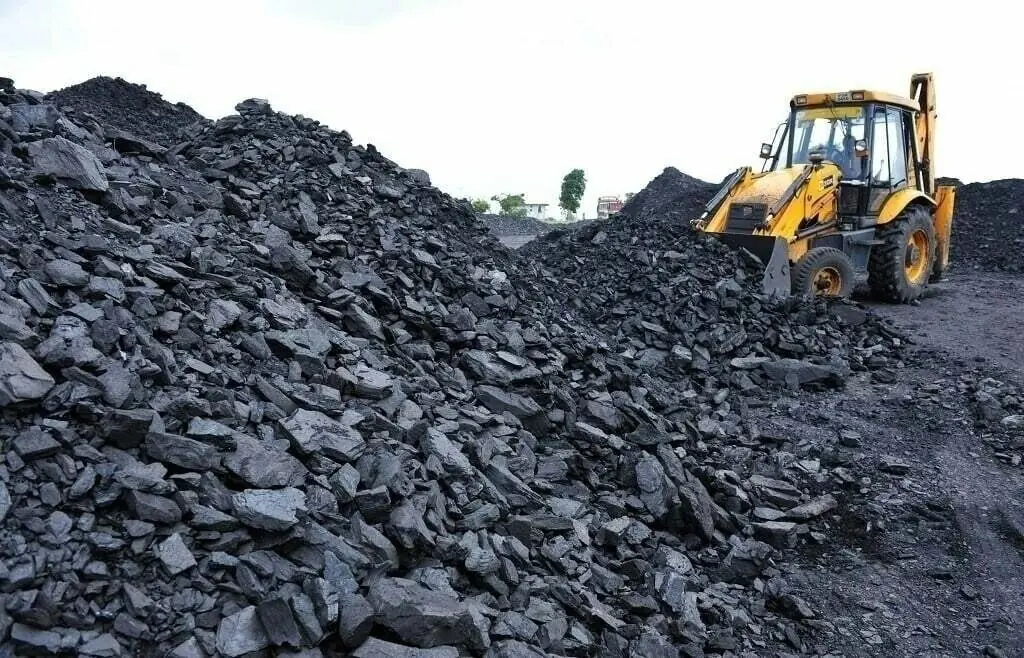
EDITORIAL: When the Thar Coal Project began operations seven years ago, it was portrayed as a watershed moment that would transform not only Tharparkar, but also Sindh and the country at large. Apart from providing a relatively inexpensive source of domestically produced electricity, the project carried a crucial promise: that the vast revenues generated from Thar’s massive coal reserves – an estimated 175 billion tonnes – would be channelled into the uplift of Tharparkar district itself. For a region long marred by drought, famine and entrenched poverty, this commitment held particular significance. Years on, however, that pledge still remains largely aspirational. As highlighted in a recent media report, assurances made in 2019 by PPP Co-chairperson Bilawal Bhutto-Zardari and Sindh Chief Minister Murad Ali Shah that 100 percent of the royalties generated by Thar Coal would be dedicated to Tharparkar’s development remain unfulfilled. Between 2023 and 2025, the provincial government collected an estimated Rs50 billion in royalties from coal extraction, while also benefitting from its 54. 7 percent stake in the Sindh Engro Coal Mining Company, making it a principal beneficiary of the project’s commercial success. Yet public investment in the district pales in comparison to these earnings. The Annual Development Programme allocation for Tharparkar stood at around Rs10 billion in FY2024-25, which by any scale remains just a fraction of the revenues the region generates. The disparity is perhaps most pronounced in the social sector. The Thar Foundation, responsible for welfare initiatives in the district, operates on an annual budget of Rs750 million. While this amount may seem substantial in isolation, when measured against the tens of billions derived from the coal reserves, it represents only a small sliver of the value extracted from the land. At the heart of the issue lies a basic institutional failure. There is still no formal, legislatively backed mechanism that clearly stipulates how the funds flowing in from Thar Coal are to be channelled from provincial accounts to the authorities responsible for spending them in Tharparkar. The promise – the district’s coal wealth would translate into tangible development for its most marginalised communities – remains little more than rhetoric in the absence of such a framework. This continued failure to establish a structured, transparent and legally binding system, in fact, represents a serious dereliction of duty on part of the Sindh government. There is also merit in the demand raised by the chairman of the Tharparkar District Council that funds from Thar Coal be transferred directly to local government institutions. Yet given that provincial governments across Pakistan have repeatedly demonstrated deep reluctance to devolve meaningful financial authority to local bodies, such calls for fiscal empowerment at the grass roots are unlikely to be heeded. There is an urgent need for federal and provincial authorities to recognise that unless the country’s mineral wealth is managed in a way that prioritises the welfare of the communities living atop these resources, the promise of resource-driven development will remain hollow and the sense of alienation among local communities will continue to fester. While Sindh government representatives have been at pains to point out that investments have been made in roads, hospitals and schools in the region, the fact of the matter is that Tharparkar remains one of the poorest districts in Pakistan, with an abysmal poverty rate of 76. 9 percent, according to a 2025 World Bank report. This reality simply cannot be justified seven years after the launch of a project billed as game-changing. It is time the Sindh government shed its habitual indifference and administrative inertia and move decisively to ensure that wealth generated in Tharparkar is meaningfully reinvested in its development. Otherwise, it would only prove that even when endowed with ample financial resources, it remains incapable of effective, pro-poor governance. Copyright Business Recorder, 2026



GrowthPakistan brings you the latest news to keep an eye on Pakistan’s startup ecosystem. Business keeps you growing when you stay aware of your competitors' moves. GrowthPakistan offers Business, Tech, Global Tech, Global, Auto, and Startup News straight from industries all around the globe. This platform will help you identify upcoming opportunities not only in Pakistan but worldwide.
Email : growthpakistan@gmail.com
Whatsapp : +92320-9497079
© growthpakistan