


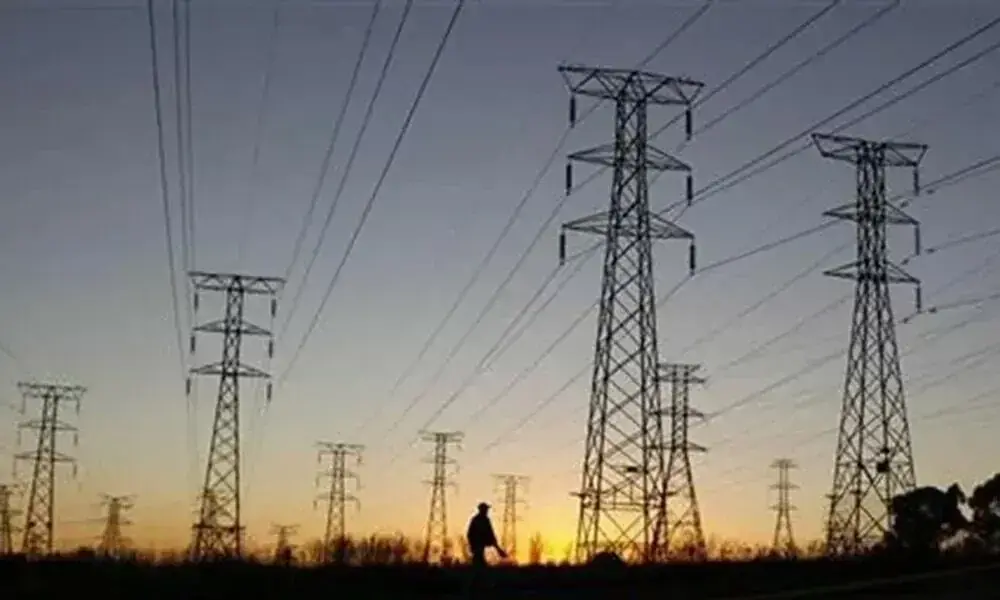
Pakistan’s national grid power generation during 8MFY26 remains notably below past highs, though recent months hint at a shift in momentum. Total output of around 81 billion kilowatt hours is still 8 percent lower than the peak recorded in 8MFY22, trailing levels seen in both FY23 and FY24, and only marginally higher than last year. For most of the period, generation has stayed subdued relative to reference benchmarks, but January 2026 marked a clear break from that pattern, becoming only the fifth instance in the past 18 months where actual generation exceeded reference levels. January also stands out structurally. It was the highest January generation on record and the first time since May 2022 that a single month posted an all-time high. The momentum, however, did not fully carry into February, where generation moderated and remained below levels seen in FY22 and FY23. Even so, the broader direction suggests that demand is beginning to reassert itself. A key driver of this shift is the ongoing migration of industrial consumers back to the grid. Previously reliant on captive generation, these users are returning in response to more competitive tariffs, lifting industrial electricity demand by an estimated 35 to 40 percent year on year. With base tariffs for industry having been reduced further, the impact is likely to become more visible in subsequent months, particularly in March and beyond, setting the stage for a more sustained recovery in overall grid demand. The divergence from reference generation is best understood through the changing fuel mix. Seasonal hydel output has declined, even though it remains about 15 percent above reference levels. In its place, the system has leaned more heavily on imported fuels. Imported coal, in particular, has emerged as the swing source, with generation rising to 1. 1 billion units against a reference of just 232 million units for the second consecutive month. This shift has been necessitated by a substantial drop in RLNG and nuclear generation, forcing imported coal to fill the gap. The implications for cost are immediate. With cheaper nuclear generation receding and reliance on imported coal increasing, the average fuel cost has remained above reference levels. The resulting fuel cost adjustment stands at Rs1. 64 per unit, marking the third consecutive positive adjustment. This underscores a structural shift in the generation mix, where costlier fuels are increasingly being called upon to maintain system stability. At the same time, system dynamics are becoming more complex. Daily load profiles for both generation and demand increasingly resemble a pronounced duck curve, with a deeper midday trough and a steeper evening ramp compared to previous years. As demand edges closer to 2022 highs, the requirement to ramp up supply after sunset has intensified significantly. The rapid expansion of off-grid and behind-the-meter solar has helped cushion overall demand pressures, particularly in the context of global energy market disruptions linked to the ongoing US-Israel-Iran conflict. However, this same solar penetration is amplifying intra-day volatility, creating operational challenges for grid managers. These challenges are set to become more acute given the constrained outlook for RLNG availability. With limited flexibility from this source, meeting evening peak demand will become increasingly difficult. Alternatives are either more expensive or insufficient in scale. Natural gas-based generation, for instance, offers only a fraction of the dependable capacity provided by RLNG, roughly one-fourth by comparison. Even if domestic gas-based plants operate at full capacity, a supply gap is likely to persist in the coming months. The system is therefore entering a phase where trade-offs will become more visible. Either higher-cost generation will need to be dispatched to meet peak demand, or load shedding will re-emerge as a balancing mechanism. In either case, the outlook points toward continued upward pressure on periodic and monthly adjustments, with limited room to absorb shocks within the current configuration.



GrowthPakistan brings you the latest news to keep an eye on Pakistan’s startup ecosystem. Business keeps you growing when you stay aware of your competitors' moves. GrowthPakistan offers Business, Tech, Global Tech, Global, Auto, and Startup News straight from industries all around the globe. This platform will help you identify upcoming opportunities not only in Pakistan but worldwide.
Email : growthpakistan@gmail.com
Whatsapp : +92320-9497079
© growthpakistan