


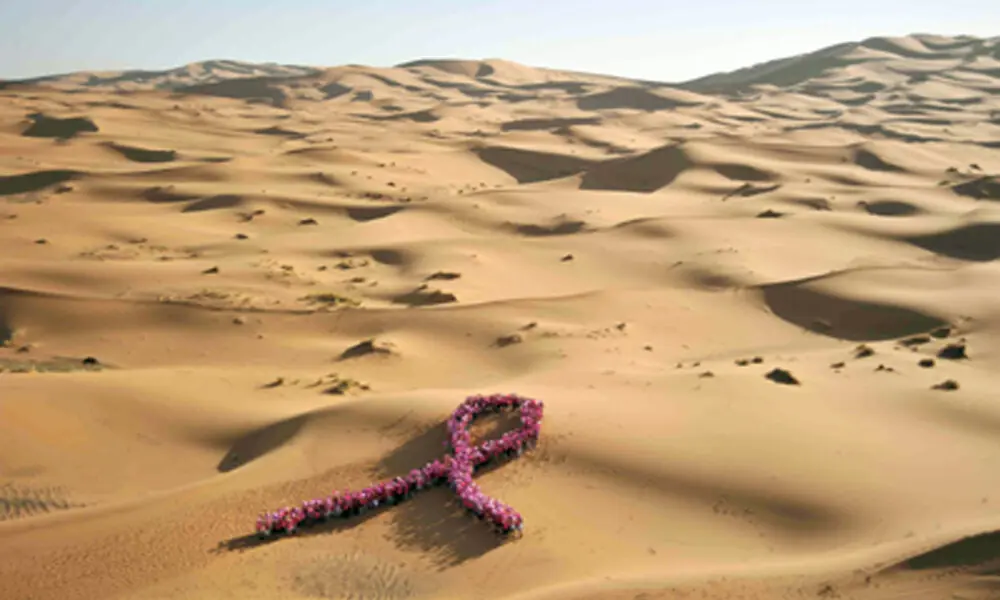
For decades, Tharparkar has been framed as a place of scarcity—of water, opportunity, and investment. That narrative is no longer just outdated; it is economically costly. Because beneath the sands of Thar lies a resource that, if used wisely, can anchor Pakistan’s next phase of industrial growth: silica-rich sand. The real question is not whether Thar has value. The real question is whether we will continue to export that value cheaply—or create it at home. Pakistan today imports large volumes of glass and related products—materials essential for construction, packaging, and renewable energy. Meanwhile, Thar’s sand remains largely unprocessed and undervalued. This represents a classic economic failure: raw sand generates minimal income, while processed glass multiplies value many times over. At a time when Pakistan faces trade deficits and unemployment, failing to utilize this resource is not just inefficient—it is unsustainable. Industrial success depends on three key factors: resource, energy, and access—and Thar offers all three. It has abundant silica sand, access to energy through existing coal infrastructure alongside growing solar potential, and proximity to Karachi Port, providing a gateway to international markets in the Middle East, Africa, and Central Asia. Few regions naturally combine these advantages in such a compelling way. The path forward does not require grand experimentation. It begins with a practical, phased approach: establishing medium-scale glass manufacturing plants. With moderate investment, such facilities can generate significant revenue, create employment, and reduce reliance on imports. From this foundation, expansion into float glass, solar glass, and higher-grade silica products can position Thar within the global industrial and energy transition. This transformation is not only about economics; it is about people also. Industrial development in Thar has the potential to generate employment, build skills, and reduce migration. But it must be anchored in justice—protecting land rights, ensuring local participation, and guaranteeing that the benefits of development reach the communities whose land sustains it. Growth without dignity is not development; it is displacement. For this vision to materialise, policy must provide direction. The establishment of a dedicated industrial zone, reliable energy at competitive cost, investor facilitation, and strong legal protections for local communities are essential. This is not about subsidies or short-term incentives; it is about setting a strategic course for long-term national benefit. The global economy is shifting toward localised manufacturing, secure supply chains, and materials that support both construction and clean energy. Thar sits at the intersection of these trends. If Pakistan acts now, it can position itself as a regional supplier of glass and silica-based products. If it delays, the opportunity will move elsewhere, and Thar will remain trapped in an outdated narrative of deprivation. Economic sovereignty is not only about what we import or export; it is about where value is created. Do we sell our resources cheaply and buy them back at a premium, or do we build industries where those resources originate? Thar offers Pakistan a chance to choose wisely. From sand can come glass, from glass can come industry, and from industry can come dignity, jobs, and national strength. The desert is ready. It is time policy and investment catch up.



GrowthPakistan brings you the latest news to keep an eye on Pakistan’s startup ecosystem. Business keeps you growing when you stay aware of your competitors' moves. GrowthPakistan offers Business, Tech, Global Tech, Global, Auto, and Startup News straight from industries all around the globe. This platform will help you identify upcoming opportunities not only in Pakistan but worldwide.
Email : growthpakistan@gmail.com
Whatsapp : +92320-9497079
© growthpakistan